Wartburg 312 Classic Cars for Sale
The Wartburg 312, manufactured in Eisenach from 1965 to 1967, bridges the gap between traditional East German car engineering and the technical advances that shaped the later Wartburg 353. Known for its elegant lines and offering variants like the Cabrio, the model features the robust 1,000 cc two-stroke engine, making it a distinctive choice for collectors seeking classic GDR vehicles.
Search results
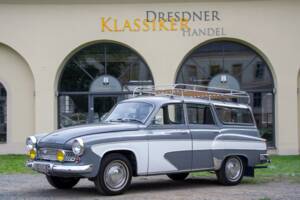
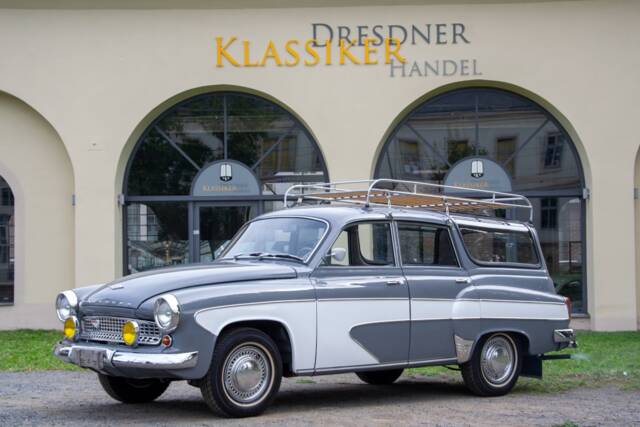
1967 | Wartburg 312 Camping
perfekte "frame off" Restauration

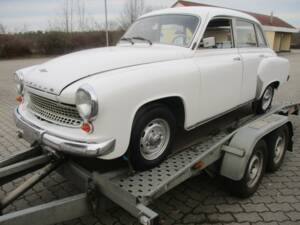
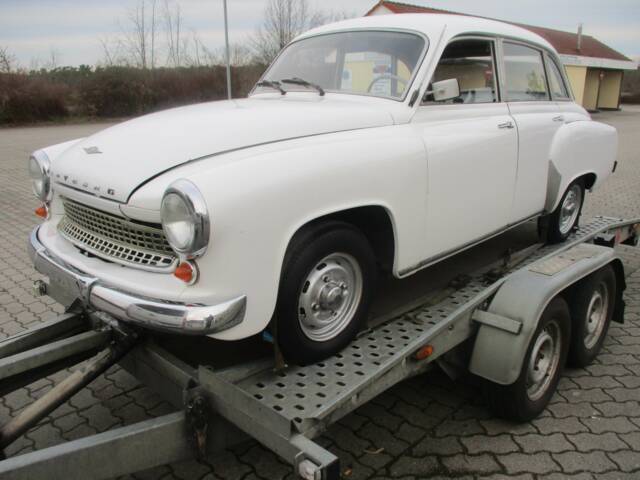
1966 | Wartburg 1000
Wartburg 312 Limousine
Auctions ending soon

Loading…
Loading…
Loading…
Loading…
Wartburg 312 listing references from Classic Trader
Below you will find listings related to your search that are no longer available on Classic Trader. Use this information to gain insight into availability, value trends, and current pricing for a "Wartburg 312" to make a more informed purchasing decision.
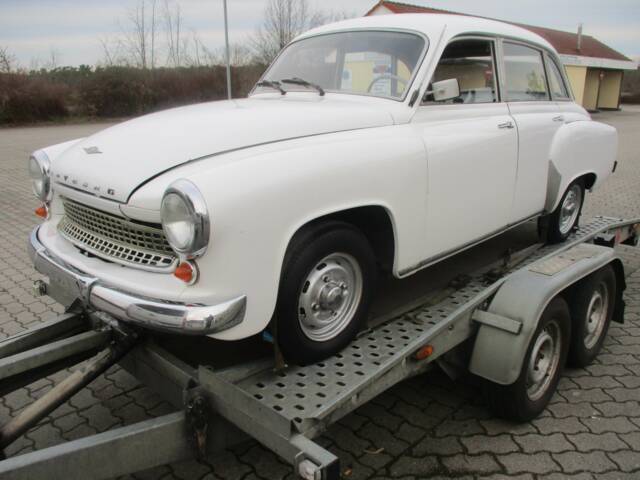
1966 | Wartburg 1000
Wartburg 312 Limousine
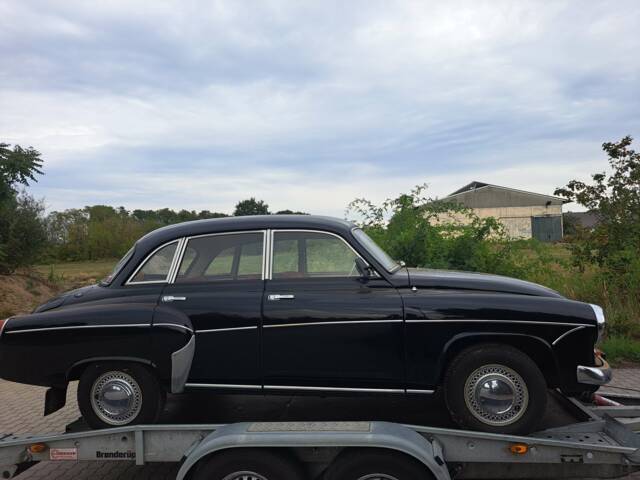
1966 | Wartburg 1000
Wartburg 312
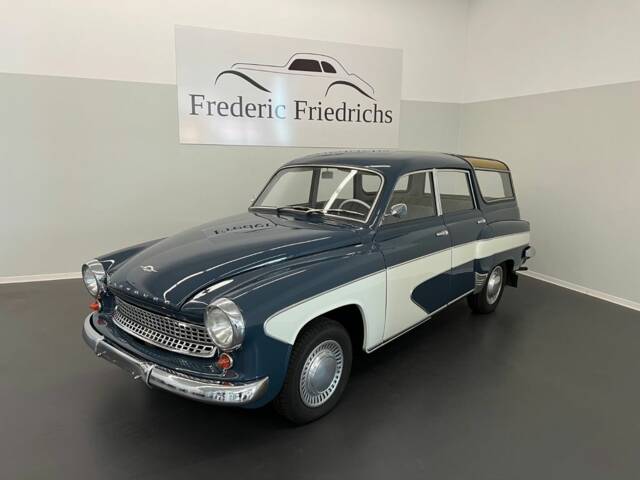
1967 | Wartburg 312 Camping
312 Camping
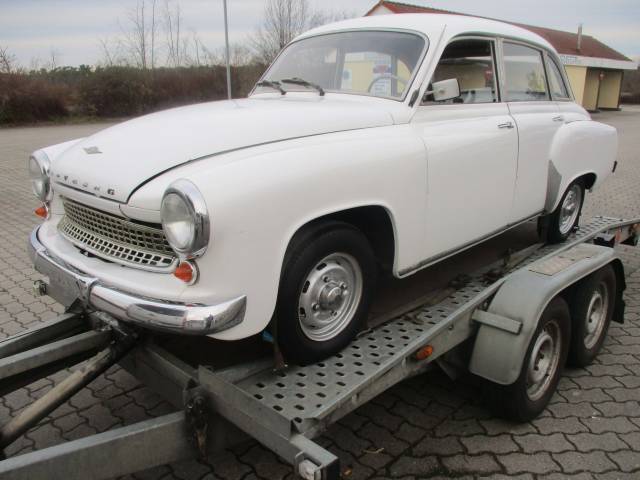
1966 | Wartburg 312 Camping
Wartburg 312 Limousine
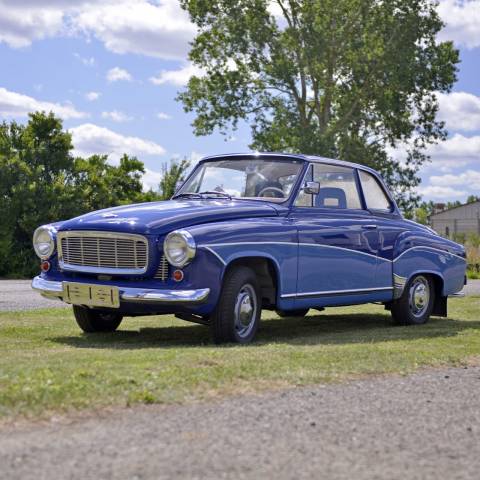
1964 | Wartburg 1000
Nachlassauktion! Startgebot zzgl. Aufgeld: € 12.500,00
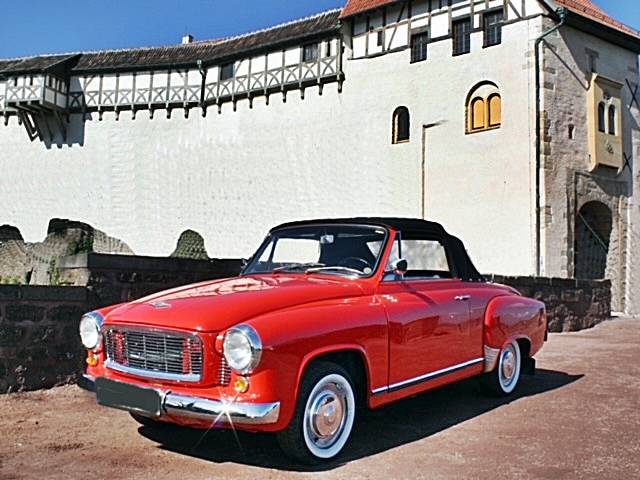
1966 | Wartburg 312-300 HT
Wartburg 312 HT 300
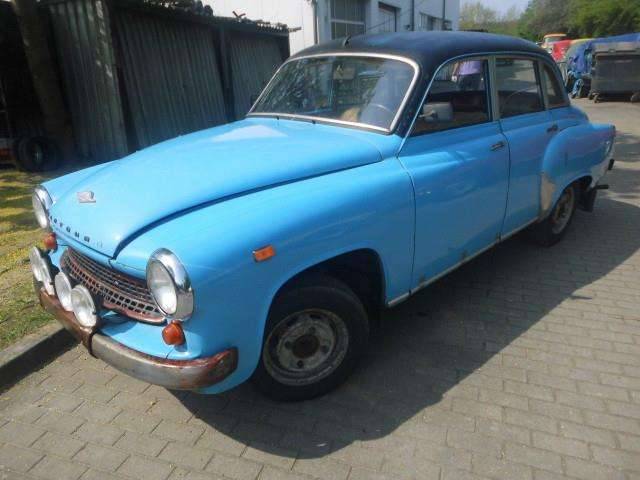
1962 | Wartburg 1000
Wartburg 312
Wartburg 312 Classic Cars: Prices & Market Values
Introduction and history of Wartburg 312
The Wartburg 312 occupies a unique position in automotive history, representing the transitional phase in the evolution of East German cars. Launched in 1965 by VEB Automobilwerk Eisenach, the 312 was an interim model. It carried forward the aesthetic and technical legacy of the Wartburg 311 while integrating advancements set for its successor, the 353. The 312 was developed at a time when the automotive industry in the GDR was actively seeking to modernise its ageing fleet, responding to both a need for improved reliability and the changing expectations of car buyers within the Eastern Bloc. The model was thus based on the updated chassis earmarked for the 353 and came with a refined 992 cc two-stroke engine, an upgrade over the previous iterations, ensuring better performance and smoother handling. Its production was short-lived, ending in 1967 when the 353 was fully introduced, but during its brief run, the 312 reflected not only the technical direction of VEB Eisenach but also the design aspirations of a period characterised by pragmatic innovation.
Model history
The Wartburg 312 was born as a bridge between the outgoing 311 and the all-new 353. It adopted the bodywork of the 311 but was mounted on the reengineered chassis developed for the 353, with significant improvements to suspension and handling. This hybrid approach allowed VEB Automobilwerk Eisenach to test and refine components destined for the next generation. The most common variants available during this era included the sedan and the cabriolet, with the latter known as the Wartburg 1000 (312/300 HT). In terms of its positioning within the Wartburg line-up, the 312 succeeded the 311 and was, in turn, replaced by the 353, which would become a staple of Eastern European motoring for decades.
Highlights of Wartburg 312
What sets the Wartburg 312 apart is its fusion of tried-and-tested body styling with a thoroughly modernised undercarriage. The application of the new chassis delivered sharper ride quality and increased stability, while the facelifted engine produced by VEB Eisenach signalled improvements in reliability. Impressively, Cabriolet versions brought a hint of extravagance into the relatively spartan world of Eastern Bloc automobiles, offering a rare open-top experience in this segment. The harmonious lines and proportions of the car remain unmistakeably 1960s, reflecting the company’s aspiration to create cars that appealed beyond strict utilitarian mandates.
Technical data
Special Editions and Collectible Models
One of the most noteworthy editions is the Wartburg 312 Cabrio, frequently referred to as the Wartburg 1000 (312/300 HT). These open-top variants were unusual in East Germany at the time, making them particularly sought-after in classic car circles. The rarity and distinctive body style contribute to their collector status.
Weak Spots and Common Issues
As with many East German two-stroke vehicles, the Wartburg 312 can be prone to increased wear in its engine, particularly in machines that have not been started or maintained regularly. Chassis and suspension parts, though improved over previous generations, may show signs of fatigue and corrosion, especially if exposed to harsh weather or poor maintenance. Electrical systems in these vehicles require careful inspection, as period wiring solutions can deteriorate with age. The unique combination of old and new chassis components also means certain spare parts are specific to the 312, requiring collectors to source them with care.
Engine and Performance, Transmission and Handling
The 992 cm³ two-stroke engine of the Wartburg 312 offers lively low-end torque typical for this configuration, and its lightweight design provides notable agility. Mated with improved suspension components taken from the developing 353 model, the 312 delivers a ride that is significantly more stable and responsive than its predecessor. Transmission is carried out via a manual gearbox designed for straightforward operation, though shifting can feel notchy to those accustomed to modern synchronised units. The handling benefits from updated geometry and stiffer subframes, making the 312 a more competent proposition in corners and at higher speeds than earlier Wartburgs. * Wartburg 312 Cabrio (Wartburg 1000 / 312/300 HT): Open-top body style, highly prized for its rarity and distinctive presence.
- Wartburg 312/1: Sedan configuration using the improved underpinnings. Both variants combine mechanical robustness with period-correct propulsion.
Interior, Comfort, Exterior and design
The Wartburg 312’s design preserves the classic shape of the late 1950s 311 with subtle refinements. The exterior is characterised by sweeping fenders, a clean beltline, and an absence of ostentation, while Cabriolets feature a robust, manually operated convertible top. The bodywork was available in a variety of subdued yet period-typical colours, with materials selected for practicality and reliability. Interiors were simple but ergonomic by the standards of the time, focusing on utility rather than luxury. Chrome highlights, stylised hubcaps, and period-specific badges round out the visual package. The lack of factory-fitted special equipment places emphasis on originality and survivor condition for collectors.
Other relevant features
Wartburg 312 vehicles were assembled exclusively in Eisenach, demonstrating the plant's pivotal role in the Eastern German automotive industry. Certain variants, particularly the cabriolets, were produced in especially limited quantities, contributing to their present-day desirability among enthusiasts. These vehicles occupy a unique intersection between classic mid-century bodywork and transitional technical concepts.
Summary
The Wartburg 312 stands as a pivotal model in GDR automotive history, combining the familiar body of the 311 with advanced underpinnings that would soon underpin the celebrated 353. Its combination of reliable two-stroke engines, elegant yet functional bodywork, and focused production history make it a prime subject for collectors of Eastern Bloc vehicles. Supply and demand statistics underline its solid presence and continued relevance in the classic car scene.