Wartburg 1.3 classic cars for sale
The Wartburg 1.3 stands as the last major chapter in the history of East German automobile production. With its 1.3-litre VW-derived engine and a markedly lower production volume than its two-stroke predecessors, this model offers a very specific mix of technical pragmatism and social-historic importance. Read more to discover its full story.
Search results
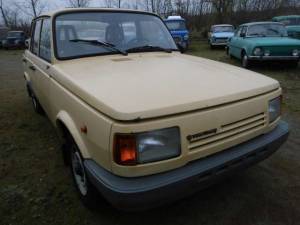
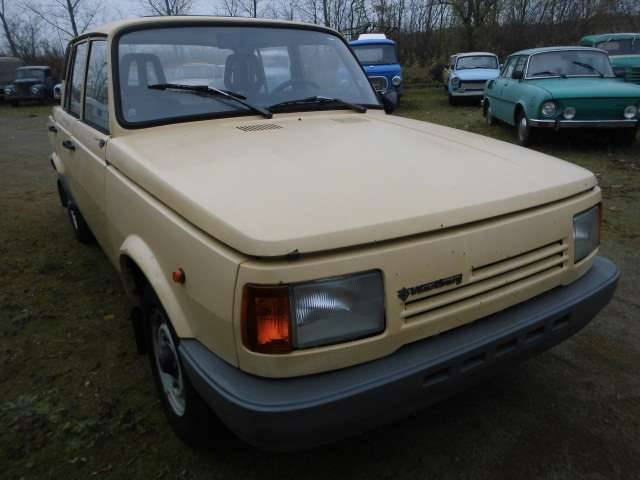
1990 | Wartburg 1.3
Wartburg 1.3

Wartburg 1.3 listing references from Classic Trader
Below you will find listings related to your search that are no longer available on Classic Trader. Use this information to gain insight into availability, value trends, and current pricing for a "Wartburg 1.3" to make a more informed purchasing decision.
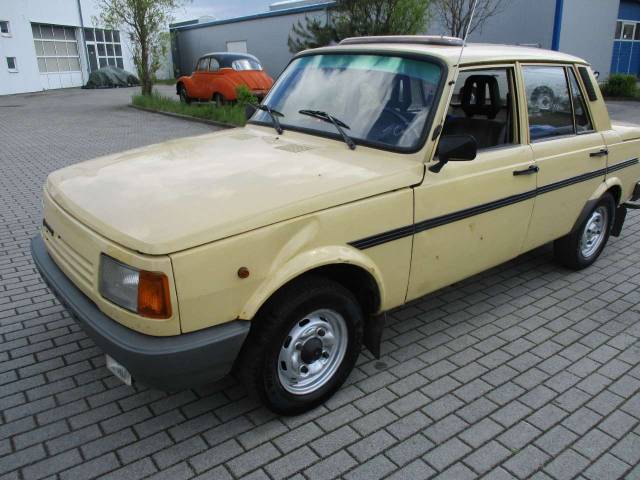
1989 | Wartburg 1.3
Wartburg 1.3
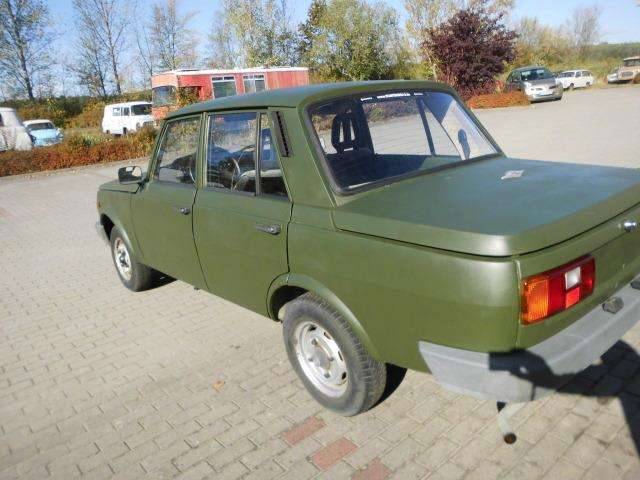
1989 | Wartburg 1.3
Wartburg 1.3
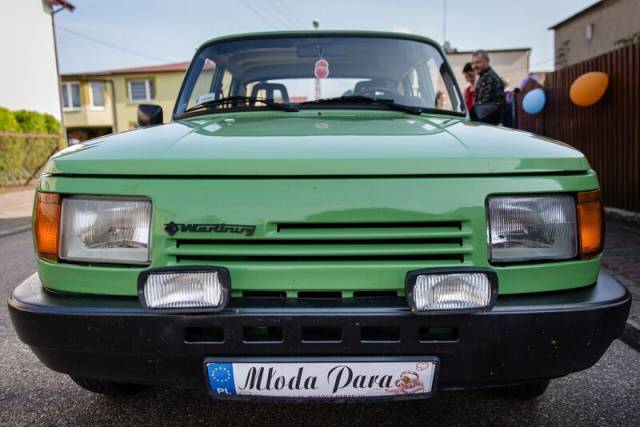
1990 | Wartburg 1.3
Wartburg after mechanical lift-up

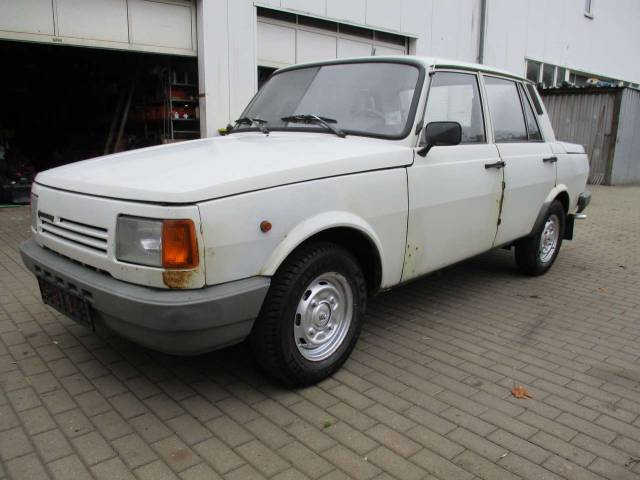
1989 | Wartburg 1.3
Wartburg 1.3
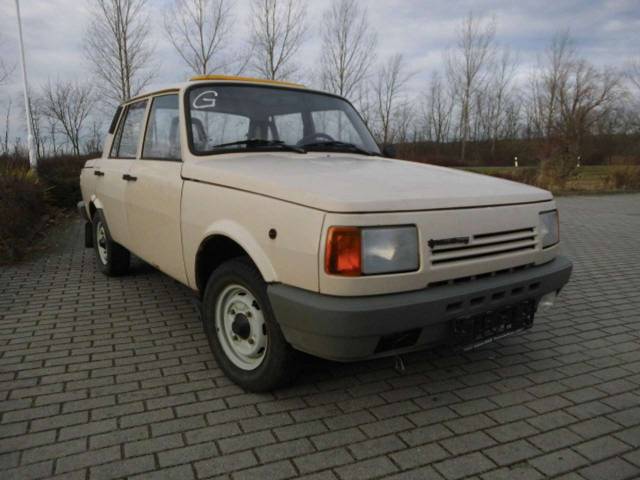
1990 | Wartburg 1.3
Wartburg 1.3 Schiebedach
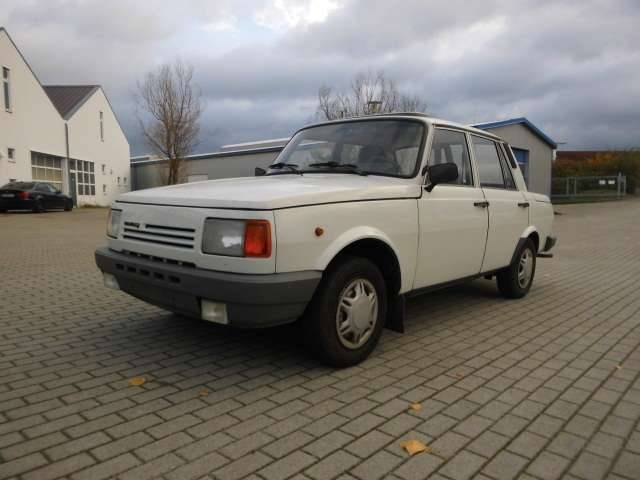
1998 | Wartburg 1.3
Wartburg 1.3
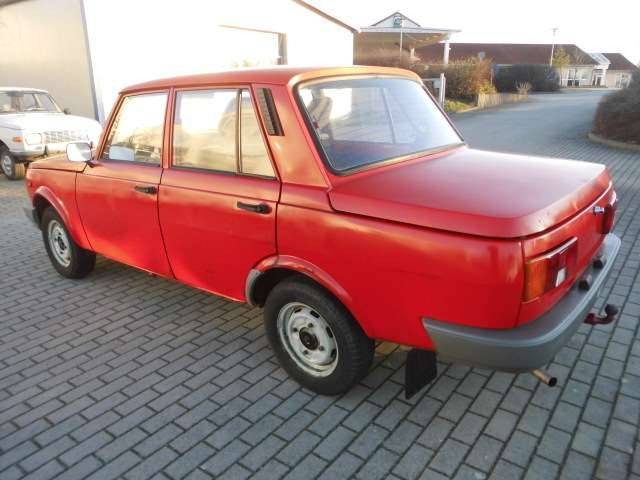
1990 | Wartburg 1.3
Wartburg 1.3
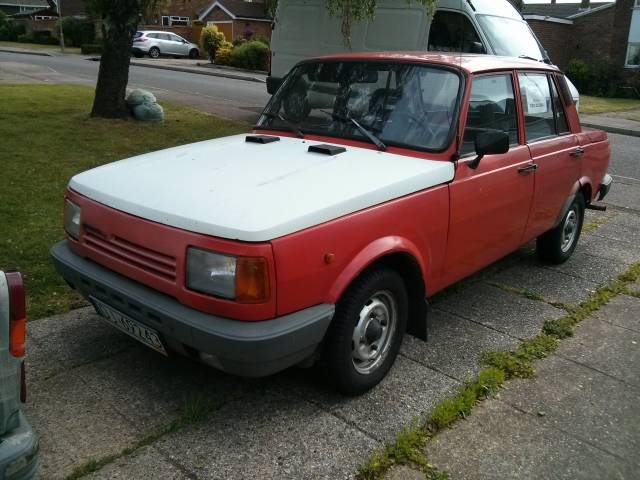
1991 | Wartburg 1.3
Wartburg 1.3 1991 - one of the last manufactured

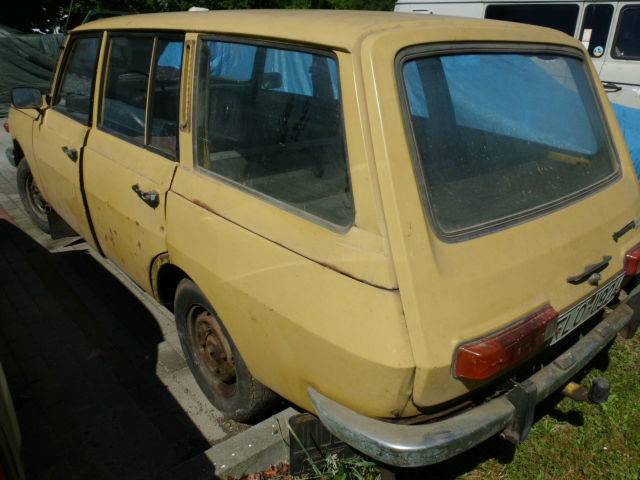
1988 | Wartburg 1.3 Tourist
353 Tourist
Wartburg 1.3 Classic Cars: Prices & Market Values
History of the Wartburg 1.3
The Wartburg 1.3 represents a pivotal era for Automobilwerk Eisenach, produced from October 1988 until April 1991. As the final main model series before the end of East German car production, the 1.3 emerged in the late GDR when the demand for four-stroke engines grew across the Eastern Bloc. To answer this, Wartburg replaced the previous 1-litre two-stroke engine from the 353 with a 1.3-litre, four-cylinder, four-stroke unit sourced from Volkswagen, identical to that in the second-generation VW Polo. This change was more than technical—it marked the attempt of an East German icon to modernise rapidly before reunification disrupted the market.
Model history of the Wartburg 1.3
The 1.3 was a direct successor to the long-serving Wartburg 353, inheriting much of its chassis and basic construction. While the 353 was renowned for its typical two-stroke character, the 1.3 attempted to bring the model family forward with a state-of-the-art four-stroke drivetrain. Its production run was short, and no true successor followed under the Wartburg name as car production at Eisenach shortly ceased after German reunification. The limited run makes the 1.3 one of the rarest series-built Wartburg models.
Highlights of the Wartburg 1.3
Switching to a VW-sourced four-stroke engine marked a fundamental shift in Wartburg's technical orientation. This was not only a response to environmental and efficiency concerns but also positioned the car closer to Western standards. The 1.3 combines Eastern design with Western technology, which makes it historically significant. As the only model produced entirely with the 1.3-litre VW engine, it is distinctly separate from its forerunners.
Technical data Wartburg 1.3
Special Editions and Collectible Models
There is no prominent documentation of special or limited editions of the Wartburg 1.3 in the available information. Its low production numbers, however, mean that even standard examples carry a degree of rarity compared to previous models.
Weak Spots and Common Issues
No explicit weak spots are documented in the provided sources. However, as with many vehicles from former Eastern Bloc production, some owners report challenges in sourcing original spare parts, especially for the VW-sourced engine and unique transmission components. It's recommended to thoroughly inspect drivetrain mounts and cooling system condition due to age and the technical adaptation made during its short production period.
Engine and Performance, Transmission and Handling
The Wartburg 1.3's four-cylinder, four-stroke engine, straight from the second-generation VW Polo, delivers a markedly different driving experience to earlier two-stroke Wartburgs. The powerplant provides more refined power delivery, improved fuel efficiency, and reduced emissions. The vehicle adopted matching suspension modifications to cope with the engine's characteristics, resulting in a more settled ride. Transmission and handling reflect an effort to bring the package closer to Western contemporaries without entirely abandoning the Wartburg driving feel. The sole model is the 1.3 with VW engine, which stands out primarily for its technical differentiation from all previous Wartburg models and its historic context as a bridge between East German engineering and Western technology. No other models in the series were configured in parallel.
Interior, Comfort, Exterior and Design
The Wartburg 1.3 retained the classic silhouette and interior layout of its predecessor, the 353, but certain design adaptations were necessary due to the larger engine. Notably, the engine bay was reconfigured, altering the car's nose profile and integrating different ventilation openings. Interior materials reflect late-80s Eastern Bloc standards with straightforward, functional plastics and fabrics. There were few official special colour or material options documented, as the car was produced during a time of restricted choice in the GDR. Accessories were generally utilitarian, aimed at keeping costs down and serviceability high, rather than offering luxury.
Other relevant features
One outstanding detail of the Wartburg 1.3 is its symbolic value: it captures the technological transition just before the reunification of Germany. It’s a model often sought for historic exhibitions and GDR-themed automotive events due to its unique position as the last car of its kind from Eisenach.
Summary
The Wartburg 1.3 is a unique chapter in German automotive history, combining tried-and-tested East German engineering with Volkswagen technology at the very end of the GDR era. Its low production numbers, exclusivity as a four-stroke Wartburg, and significance as the last new model from Eisenach make it a remarkable vehicle for classic car enthusiasts focused on technical evolution and political history.