Veritas RS classic cars for sale
The Veritas RS stands at the intersection of post-war German motorsport ambition and innovative engineering, built upon the BMW 328 chassis and famed for its participation in early Formula One Grands Prix. For enthusiasts seeking a classic with direct racing heritage and rarity, the RS offers a glimpse into 1950s racing culture.
Search results
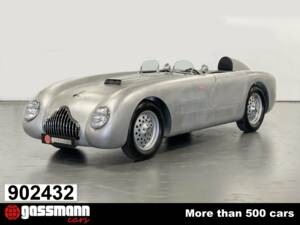
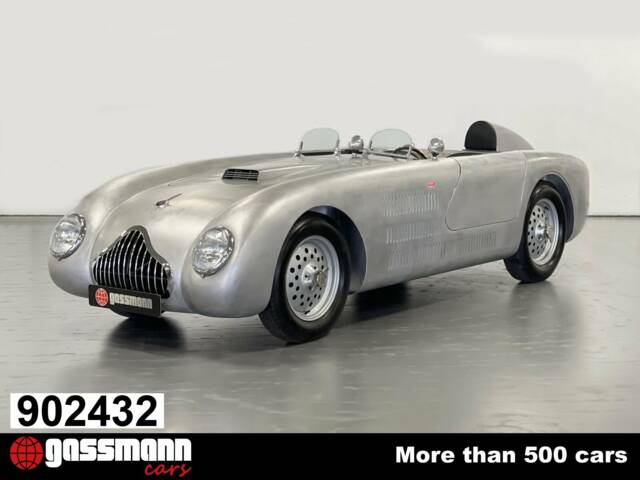
1948 | Veritas RS
Veritas RS mit 328 Motor

Veritas RS listing references from Classic Trader
Below you will find listings related to your search that are no longer available on Classic Trader. Use this information to gain insight into availability, value trends, and current pricing for a "Veritas RS" to make a more informed purchasing decision.
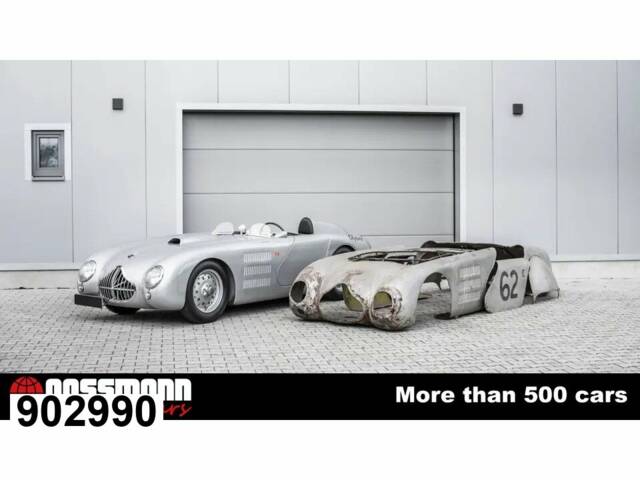
1948 | Veritas RS
VERITAS RS + Originalkarosserie - Mille Miglia
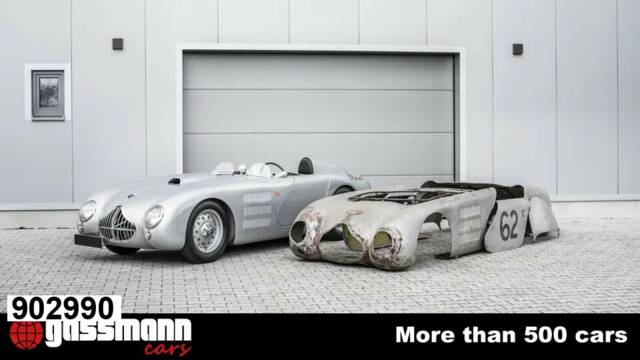
1948 | Veritas RS
VERITAS RS + Originalkarosserie
Veritas RS Classic Cars: Prices & Market Values
History of the Veritas RS
The Veritas RS was a direct response to the German automotive industry's resurgence after World War II. Founded by former BMW engineers, Veritas utilised the proven underpinnings of the BMW 328 to produce high-performance sports cars tailored for both the road and the track. As a marque, Veritas established itself rapidly through competition, leveraging post-war technical expertise and dedication to motorsport. The RS variant became the company's standard-bearer, often seen challenging established brands on race circuits across Europe.
Model History of the Veritas RS
Originally derived from the celebrated BMW 328, the Veritas RS took the established pre-war platform and evolved it with lightweight bodywork and racing-oriented engineering tweaks. As there was no direct predecessor within the Veritas brand, the RS effectively launched the company’s reputation. Production numbers were very low, reflecting both economic conditions and the brand’s focus on motorsport rather than mainstream production. Successor models developed by Veritas moved towards more exclusive and technically ambitious sports and racing cars.
Highlights and Unique Features of the Veritas RS
Distinct among post-war sports cars for its direct competition pedigree, the Veritas RS was one of the few German entries in early Formula One events, including the Swiss, Belgian, and German Grands Prix in the early 1950s. Its best result was a 7th place at the 1952 German Grand Prix with Fritz Riess at the wheel. The RS serves as a bridge between pre-war engineering and modern racing technology, with design focused on performance and race-readiness when others in its segment leaned towards grand touring.
Technical Data of the Veritas RS
Special Editions and Limited Models
Due to the low production numbers and adaptive build philosophy, each RS is unique in specification. Customer-modified and team-prepared race cars form natural subcategories, especially those documented as having competed in international Grand Prix events or major sports car races.
Known Weak Spots and Typical Issues
Veritas RS maintenance challenges relate to the age of components, sourcing original BMW 328 mechanicals, and the hand-built aluminium bodywork, which is complex and costly to restore. Specialist knowledge is essential for both mechanical and body repairs. Documentation from Veritas and knowledge of individual car histories is crucial when assessing authenticity and provenance.
Engine, Performance, and Handling
The BMW 328-based straight-six engine provided notable power for the era, paired with a manual gearbox and lightweight chassis. The RS's handling was praised in period for its competitive agility and feedback in racing conditions. Owners should expect a distinctly mechanical experience, with unfiltered steering and communicative suspension, particularly well suited to classic racing and historic rallies. - Veritas RS (chassis based on BMW 328, various specifications). Noteworthy are authentic, documented Grand Prix entries, especially 1952/1953 cars with known racing provenance.
Design, Interior, and Special Features
The RS features a purposeful, aerodynamic aluminium body, often hand-formed. Interiors are minimalist, with race instrumentation and little in the way of creature comforts, reflecting its motorsport intent. Detailing ranges from custom paintwork to hand-stitched leathers, but originality and racing details are the true differentiators. Early cars stand out for their purity of form and lack of post-war styling flourishes. Accessories and special fitments are rare and tend to centre on racing-specific modifications.
Further Information
Due to its scarcity, most Veritas RS models are now part of museum collections or specialist private ownership. The provenance of each example is vital, with many having detailed period racing history. Documentation, racing logbooks, and continuous ownership records enhance both collectability and historic value.
Summary of the Veritas RS
The Veritas RS occupies a unique space in automotive history as Germany's potent post-war return to international racing, blending BMW engineering with low-volume coachbuilt exclusivity. Its presence at major Formula One Grands Prix and its rarity in today's market set it apart for collectors seeking a direct connection to the golden age of motorsport.