Veritas Meteor classic cars for sale
The Veritas Meteor stands as one of Germany's rarest and most sophisticated single-seater racing cars of the early 1950s, designed exclusively for competition under Formula 2 regulations. Built from 1950 to 1953 with only 28 produced, its technical innovation and scarcity make it an exceptional piece for collectors and motorsport historians.
Search results
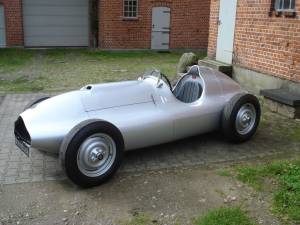
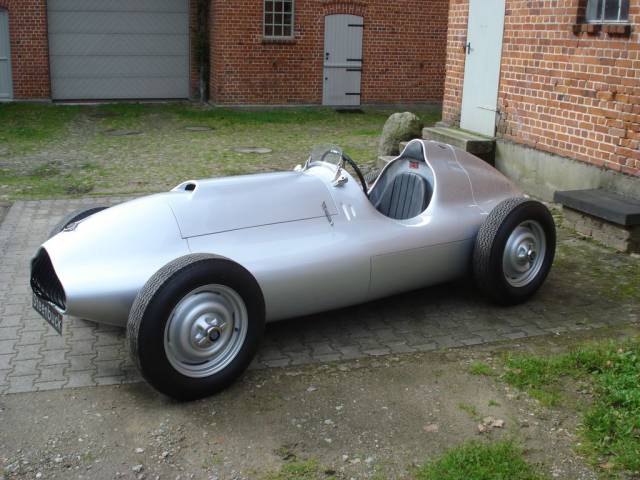
1950 | Veritas Meteor
One of 28 - very rare!

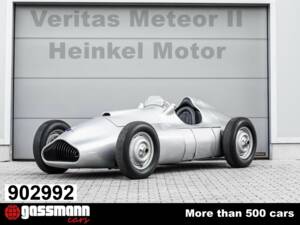
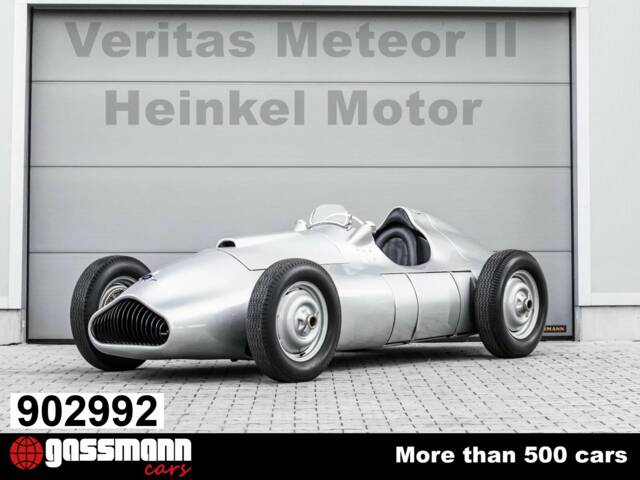
1951 | Veritas Meteor II RS
Meteor II Rennwagen - Heinkel Motor
Auctions ending soon

Loading…
Loading…
Loading…
Loading…
Veritas Meteor Classic Cars: Prices & Market Values
History of the Veritas Meteor
Founded in 1946 in southern Germany, Veritas began by adapting BMW 328 components into competitive race cars. By 1950, Veritas relocated production to a former Heinkel plant in Rastatt, focusing on building highly specialized single-seaters for Formula 2. These cars contested in Formula 2 events—including world championship rounds in 1952 and 1953—making the Meteor synonymous with post-war competition. Over time, Veritas replaced BMW engines with advanced Heinkel aluminium powerplants before ceasing operations in 1953. Only 78 racing and sports cars were built, with the Meteor representing the pinnacle of the marque's engineering efforts.
Model History
The Meteor was developed precisely for Formula 2, complying with both supercharged engine limits (up to 500 cc) and naturally aspirated limits (up to 2000 cc). Its initial powertrain was a robust BMW-derived straight-six, but engineering advances by ex-BMW specialists led to further refinement and eventually, the integration of Heinkel alloy engines. Each of the 28 Meteors produced carried iterative upgrades in chassis and suspension to suit the demands of 1950s circuit racing. After Veritas ended production, the Meteor left no direct successor, reinforcing its status as a rare, purpose-built competition car.
Highlights and Unique Features
The Veritas Meteor is defined by its advanced engineering for its era: a spaceframe chassis supporting independent suspension at both axles, paired with a dry-sump-lubricated straight-six producing 140 hp at 7000 rpm. Its five-speed Hurth manual gearbox, along with selectable final drive ratios, allowed optimal setup per track. The car was never road legal—only built for top-level racing and collector circles. Features like central-lock wire wheels, variable differential gearing, and double wishbone suspension made the Meteor a formidable competitor in its day.
Technical Data
Special Editions and Collectible Models
All Veritas Meteor cars stand out as rare due to their extremely low production number—only 28 units. Particularly notable are examples featuring the later Heinkel lightweight alloy engine, sought after by racing historians for their technical refinement and scarcity.
Weak Spots and Common Issues
Due to their racing focus, Meteors demand expert knowledge in maintenance and repair. The sophisticated dry-sump lubrication, intricate suspension design, and rare mechanical components (including BMW and Heinkel engines, five-speed Hurth gearboxes, and central-lock wheels) make parts sourcing challenging. Corrosion in the frame and wear in the lead-bronze main bearings are potential problem areas, though verifiable weaknesses are limited given the car's rarity and thorough restoration processes typical of such vehicles.
Engine, Performance, Transmission and Handling
Propelled by a 2.0-litre straight-six engine, the Meteor could deliver 140 PS at a high-revving 7000 rpm, coupled to a unique five-speed manual transmission with racing-optimised gearing. The combination of dry-sump oiling, interchangeable rear axle ratios, and a lightweight tubular frame afforded superior agility and tailored track performance. Racing under strict F2 regulations, the Meteor embodied the peak of early 1950s German motorsport engineering. The most technically significant variants feature the Heinkel aluminium block and five-speed Hurth gearbox, combining advanced metallurgy with competitive track gearing—features favoured by serious collectors and enthusiasts.
Interior, Comfort, Exterior and Design
Designed strictly for the track, the Meteor featured an open monoposto cockpit with essential controls, reduced weight, and purposeful equipment. Exterior details included freestanding wheels, low-drag aluminium bodywork, and central-locking wheels, available as steel discs or Rudge-spoked variants. The double wishbone front and De-Dion rear suspension, along with prominent internal bracing, underscored its pure engineering intent. Factory special equipment focused on adjustability for racing—such as changeable differential ratios, competition fuel systems, and high-capacity cooling—distinguishing each car according to its intended racing use.
Other Relevant Features
Each Meteor was essentially bespoke, tailored to the requirements of the commissioning driver and the nature of competition. The adaptable chassis and mechanical setup allowed customisation of performance attributes like suspension settings and final drive ratios, making each example unique within its minuscule production run.
Summary
The Veritas Meteor is one of the most exclusive and technically advanced German racing cars of its period, distinguishable by its origins, competitive significance, and rarity. Only 28 were ever constructed, all embodying the innovation and craftsmanship of post-war German motorsport. Its 100% share in Veritas listings and collector views attests to its singular standing within this brand, cementing its status as a true specialist vehicle for racing and historic car enthusiasts.