Vauxhall Calibra – Classic Car Buying Guide
The Vauxhall Calibra fuses coupé elegance with advanced 1990s engineering and sporty driving characteristics. As a rare find in the UK classic car scene, the Calibra enjoys both a devoted following and growing appeal among continental and British enthusiasts. Discover what makes this coupé distinctive and why it remains a sought-after model for collectors and drivers alike.
Search results
Currently, there are no matching listings for your search.
Create search alert
Let yourself be notified as soon as a listing is published that matches your search filters.
Create listing
Do you have a Vauxhall Calibra that you want to sell? Then create a listing now.
Create listingVauxhall Calibra listing references from Classic Trader
Below you will find listings related to your search that are no longer available on Classic Trader. Use this information to gain insight into availability, value trends, and current pricing for a "Vauxhall Calibra" to make a more informed purchasing decision.
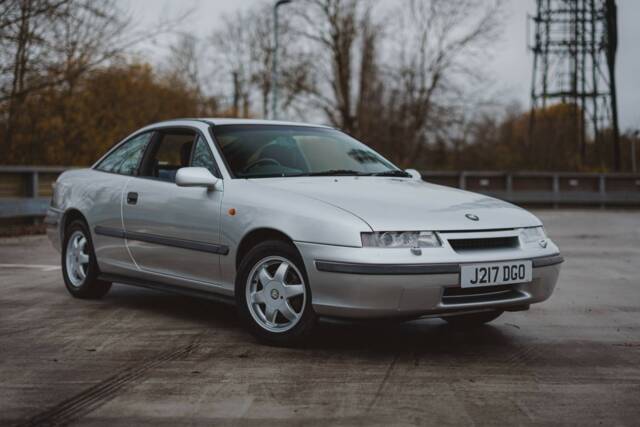
1991 | Vauxhall Calibra 2,0
Iconic 'Red Top' Engine Version - Low Miles

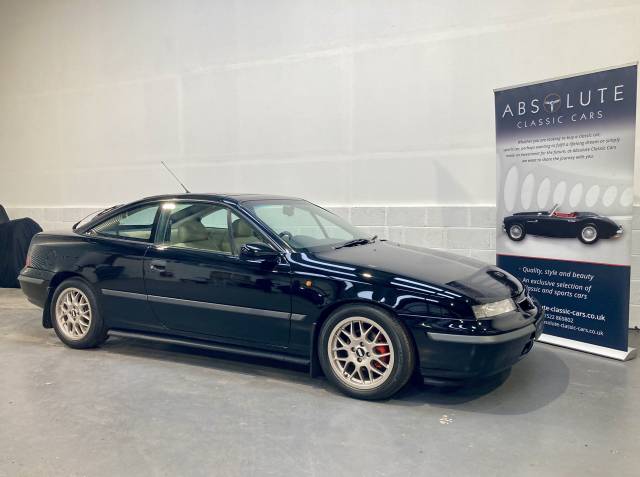
1996 | Vauxhall Calibra 2,0
1996 Vauxhall / Opel Calibra SE5 Low Miles, Great history, 1 of 233 built WOW!
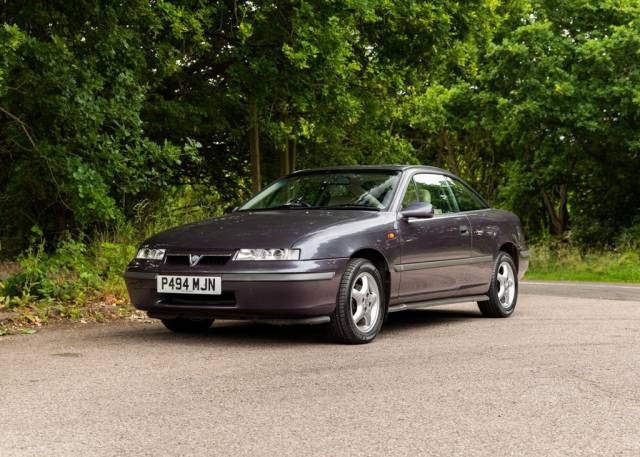
1997 | Vauxhall Calibra 2,0 4x4 16V Turbo
Vauxhall Calibra 16v
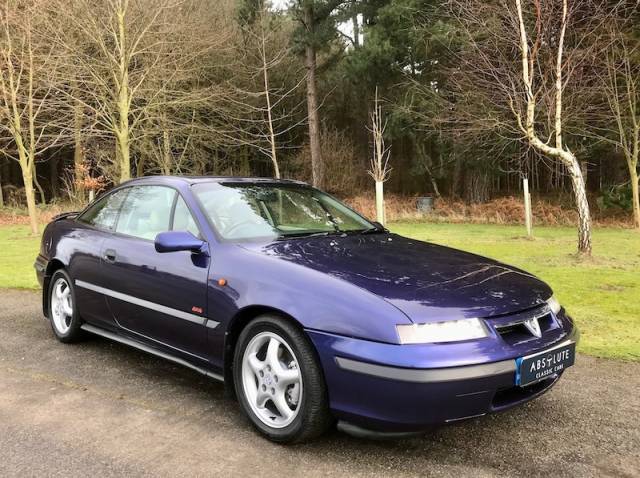
1996 | Vauxhall Calibra 2,0 4x4 16V Turbo
1996 Vauxhall Calibra 4x4 Turbo 16v - Low mileage, FSH, Leather, Stunning
Create search alert
Let yourself be notified as soon as a listing is published that matches your search filters.
Create listing
Do you have a Vauxhall Calibra that you want to sell? Then create a listing now.
Create listingVauxhall Calibra Classic Cars: Prices & Market Values
History of the Vauxhall Calibra
Launched in the UK in 1990, the Vauxhall Calibra brought German engineering under the Opel banner to the British market. Designed as a coupé with aerodynamic ambitions, its production ran until 1997, though sales continued in the UK through 1999. The Calibra was engineered by Opel and is directly linked with its German counterpart, with distinctions only in branding and trim details. During its production run, the Calibra was also marketed globally as the Chevrolet Calibra (South America) and Holden Calibra (Australia/New Zealand). Its wedge-shaped profile and innovative features set it apart from other coupés of the era, reflecting a focus on delivering both sporty aesthetics and practical usability.
Model History
The Calibra was introduced as a coupé based on the platform of the Opel/Vauxhall Vectra A, which anchored its mechanical reliability and everyday usability. The car’s predecessor in the Vauxhall line-up would be the Cavalier Coupé, while its successor was less directly defined as no true direct replacement followed; the model’s ethos was later picked up in other Opel/Vauxhall coupés and sporty hatchbacks. Throughout its lifecycle, the Calibra saw several updates, including a notable facelift, as well as the integration of advanced technical and comfort features for its time. Its production ended in 1997, marking the end of a unique era for Vauxhall's sporty coupés.
Highlights
The Vauxhall Calibra stood out for a harmonious blend of design clarity and technical sophistication. Engine choices ranged from the dependable C20NE 2.0-litre 8V with 115PS to the high-performance C20LET Turbo producing up to 204PS. Technically advanced for its segment, the Calibra could be specified with front-wheel drive or, notably, as a 4x4 Turbo variant with a 6-speed Getrag F28/6 gearbox. Notable were the car’s high equipment levels: electric leather sports seats, extensive trip computer and instrumentation, anti-lock brakes, airbags for both driver and front passenger, and thoughtful audio solutions. Contemporary reviews often highlighted the surprisingly generous rear seat space and long-distance comfort.
Technical Data
Special Editions and Collectible Models
Several Calibra editions have achieved desirable status among purists: notably the Calibra Turbo 4x4, equipped with the C20LET engine, all-wheel drive, and 6-speed transmission. Special trim variants such as the SE5 (with factory-lowered suspension and distinctive trim) and limited paint finishes like Ceramic Blue Metallic provided unique combinations of features. Many factory original accessories, including Irmscher spoilers, BBS alloy wheels, and exclusive upholstery patterns, contribute to the see-and-be-seen appeal of these special models.
Engine, Performance, Transmission and Handling
The 2.0-litre 4-cylinder engines used in the Calibra are robust and suited to both daily use and spirited driving—especially in Turbo spec, where 204PS and all-wheel drive deliver secure grip and rapid acceleration. The well-regarded Getrag gearboxes (including the F28/6 for the Turbo versions) provide precise shifting and were ahead of their time in terms of engineering. The chassis, whether in standard or SE5-lowered versions, offers stable and comfortable handling, long-distance cruising ability, and a composed ride. ABS and twin airbags provided advanced active and passive safety for the era. - Vauxhall Calibra Turbo 4x4: C20LET 2.0 Turbo, 204PS, 6-speed Getrag F28/6, AWD, unique turbo badging and features.
- Vauxhall Calibra SE5: Factory-lowered, special colours, leather interior, sportier ride.
- Calibra 2.0 16V: Entry point with solid performance from the C20XE/NE engine.
Interior, Comfort, Exterior and Design
The Calibra’s exterior, penned for aerodynamic efficiency, is distinguished by narrow, flush-fitting headlamps, a wedge-shaped silhouette, and robust paintwork with clear-coat finishes. Signature colours such as Solid Black and Ceramic Blue Metallic underline its visual appeal. Interior appointments reach premium standards: full leather sports seats (often in cream), electric seat adjustments, integrated seat heating, and detailed onboard information systems signalling a focus on technology and comfort. BBS and 5-spoke facelift alloys, Irmscher spoilers, factory mud flaps, and high-quality floor mats round out the accessory portfolio. The accessories and optional features available from new, including trip computers and premium Grundig/Blaupunkt sound systems, marked the Calibra as a well-appointed coupé for its time.
Other Features
Factory documentation, including comprehensive service histories and original owner handbooks, is common among cherished examples and adds provenance. Details like original factory key sets, unique model badges (especially on Turbo 4x4s), and precise panel fit are often preserved in well-maintained vehicles. Factory-plated badges and exclusive accessories such as headlamp protectors or twin-end exhausts are valued as collectable distinctions.
Summary
The Vauxhall Calibra stands tall as a 1990s coupé that merges aerodynamic design, comprehensive factory equipment, and strong mechanicals. With limited availability and strong demand in the UK’s classic car market, it remains a distinct choice for collectors and drivers seeking a true slice of 1990s engineering—with every car telling a story of precise build quality and thoughtful design.