TVR 420 SEAC classic cars for sale
The TVR 420 SEAC sits atop the renowned TVR 'wedge' range. Its rare combination of lightweight composite bodywork and powerful V8 defines the car’s uncompromising focus on performance and driver engagement, making it a unique offering in the world of classic British sports cars.
Search results
Currently, there are no matching listings for your search.
Create search alert
Let yourself be notified as soon as a listing is published that matches your search filters.
Create listing
Do you have a TVR 420 SEAC that you want to sell? Then create a listing now.
Create listingTVR 420 SEAC listing references from Classic Trader
Below you will find listings related to your search that are no longer available on Classic Trader. Use this information to gain insight into availability, value trends, and current pricing for a "TVR 420 SEAC" to make a more informed purchasing decision.
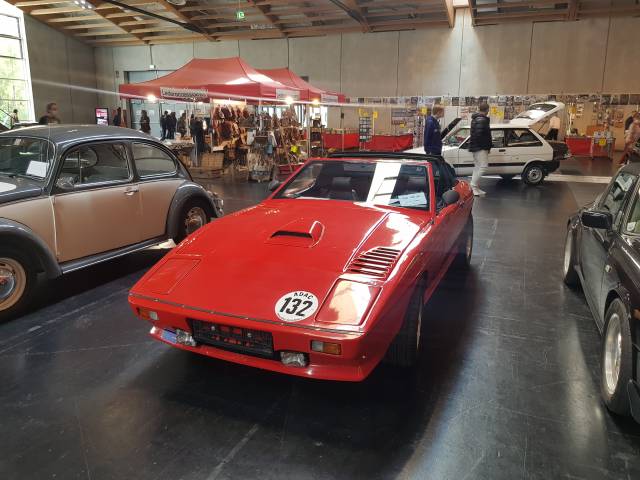
1988 | TVR 420 SEAC
Zu finden auf der Classic Expo Salzburg 2020!

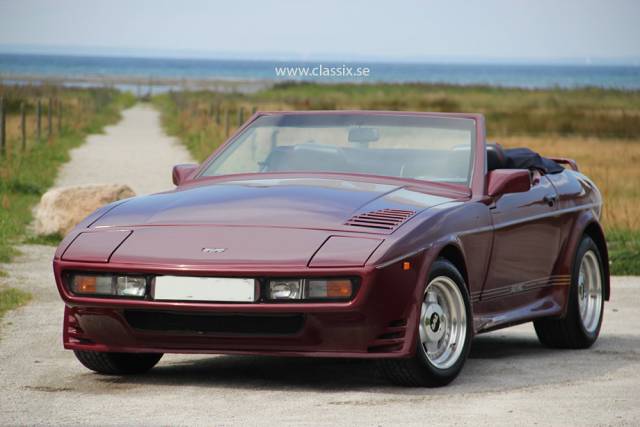
1988 | TVR 420 SEAC
TVR 420 SEAC, the ultimate wedge car!

Create search alert
Let yourself be notified as soon as a listing is published that matches your search filters.
Create listing
Do you have a TVR 420 SEAC that you want to sell? Then create a listing now.
Create listingTVR 420 SEAC Classic Cars: Prices & Market Values
History of the TVR 420 SEAC
Produced between 1986 and 1988, the TVR 420 SEAC represents the pinnacle of TVR’s 'wedge' era development. SEAC stands for Special Equipment Aramid Composite, underscoring the car’s use of advanced materials to save weight and enhance rigidity. Emerging as a successor to the Tasmin range, the 420 SEAC was not only built for the road but homologated for competition, with styling and engineering refined through motorsport experience. Its production run was limited, cementing its place among the rarest and most focused vehicles in TVR’s line-up.
Model History
The 420 SEAC’s lineage traces back to the TVR Tasmin family, itself launched in 1980. The 420 SEAC evolved from the 350i and 390SE models, benefitting from continual technical and aerodynamic improvements. While the earlier wedge models laid the groundwork, the SEAC was the most extreme, both visually and mechanically. In 1988, upon conclusion of the SEAC’s short run, TVR transitioned towards the S-series, closing the chapter on the wedge era.
Highlights of the TVR 420 SEAC
Two elements set the 420 SEAC apart: its use of a Kevlar and glassfibre composite body shell, and the visually aggressive design that includes a pronounced rear spoiler and a rounded nose. Only a small number were produced, with each car benefiting from race-proven innovations.
Technical Data
Special Editions and Collectible Models
The SEAC itself is a limited, singular edition with production numbers reported in the low dozens, further enhancing its exclusivity. Some examples were configured specifically for motorsport, featuring modifications aligned with racing regulations of the period.
Engine and Performance, Transmission and Handling
The 420 SEAC’s 4.2-litre V8 produces explosive performance, especially given the car’s low weight. With a track-inspired suspension and direct steering, handling is described as demanding but rewarding for experienced drivers. The manual transmission ensures direct mechanical feel, appealing to purists seeking unfiltered connection to the road. The SEAC stands alone within its niche—no other TVR wedge offers its specific combination of composite construction and V8 power at this level.
Interior, Comfort, Exterior and Design
Bold lines, a purposeful stance, and a distinctive wedge profile differentiate the SEAC from all other TVRs. The large integrated rear spoiler and reshaped front end serve both aerodynamic and aesthetic functions. Interior appointments were tailored to the driver: instrument clusters orient toward piloting, and trim materials vary widely across the limited production run. Accessories such as uprated seats, harnesses and period-correct alloys may be found in individual vehicles, underscoring the hand-built nature of each car.
Summary
The TVR 420 SEAC blends motorsport-derived engineering and bold composite bodywork to create a uniquely focused British sports car. With its place at the very summit of the TVR wedge family, limited numbers, and engineering innovations, this car attracts drivers and collectors looking for a visceral, rare automotive experience.