Tempo Matador Classic Cars for Sale
The Tempo Matador stands out as one of the most unconventional commercial vehicles from post-war Germany. Most examples on the market today show clear signs of use due to age and often serve as restoration bases or donors for spare parts. Well-preserved vehicles are rare, making every sighting a unique event.
Search results

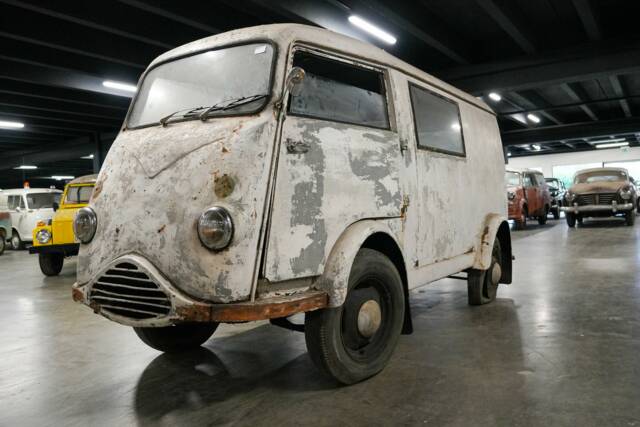
1955 | Tempo Matador
Tempo Matador wiking M0415

Tempo Matador listing references from Classic Trader
Below you will find listings related to your search that are no longer available on Classic Trader. Use this information to gain insight into availability, value trends, and current pricing for a "Tempo Matador" to make a more informed purchasing decision.
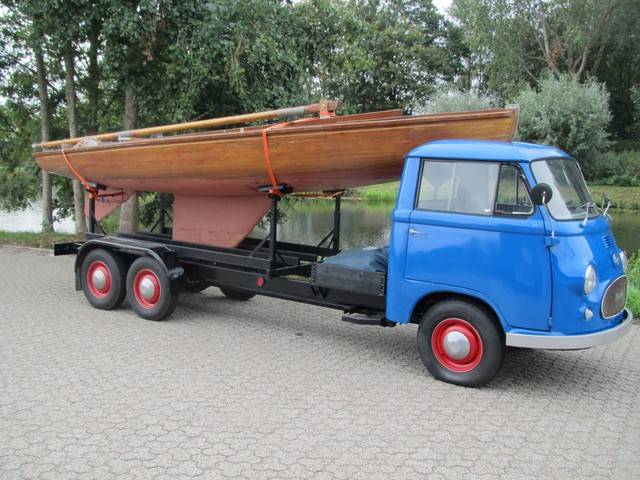
1965 | Tempo Matador E
Oldtimer Tempo
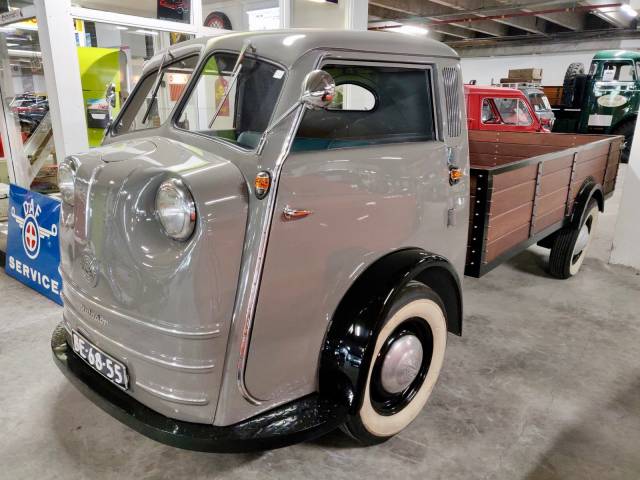
1951 | Tempo Matador
Online Auction "Classics, Sports Cars & Specials". From 9th to 22nd of May
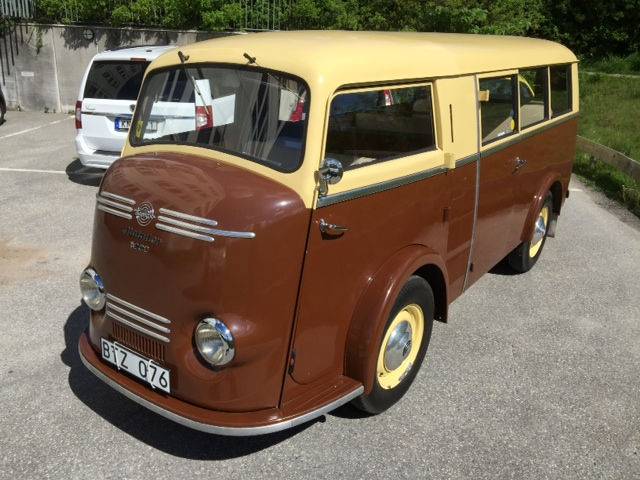
1953 | Tempo Matador
Tempo Matador 1953 9 Personen
Tempo Matador Classic Cars: Prices & Market Values
History of Tempo Matador
The Tempo Matador was presented shortly after WWII as an answer to the need for reliable, simple light commercial vehicles on Germany’s roads. Produced by Vidal & Sohn (Tempo), the Matador quickly distinguished itself with its forward-control layout, compact size, and innovative front-wheel drive—an unusual concept at the time, especially for vans and transporters. The Matador became a staple among craftsmen, tradesmen, and small businesses throughout the 1950s, admired for its nimbleness in city traffic and capacity to handle diverse transport tasks despite its modest engine performance.
Model History of the Tempo Matador
The first Matador model debuted in 1949, equipped with a two-cylinder two-stroke engine. Later versions increasingly featured more robust aggregates, partly supplied by VW as the partnership developed. Across its lifecycle, the Matador saw several revisions and body adaptations, ranging from flatbeds to delivery vans. The series ultimately ceded its place to later Tempo and Hanomag models—in line with changing technological standards that called for more powerful engines and higher payloads.
Highlights and Unique Features of the Tempo Matador
One hallmark of the Matador is its advanced (for the era) front-wheel drive configuration, which endowed the vehicle with a low load floor, compact turning radius, and unusually stable handling for its class. The vehicle’s cab-over-engine architecture, along with the use of lightweight materials and modular bodywork, made it highly adaptable for specialized roles.
Technical Data
Special Editions and Collectible Models
Special variants of the Matador were created for specific uses—there were panel vans, pickup bodies, and versions for municipal service. Some rare configurations, such as ice cream vans or mobile shops, are particularly coveted for their unique history and custom equipment. Limited series or export-specific models occasionally surface and are favoured by devoted collectors.
Weak Spots and Common Issues
Due to the Matador’s age and commercial use, most vehicles exhibit substantial wear. Rust is common on chassis and suspension mounts. Drivetrain components, especially the gearbox and front-wheel drive mechanisms, can suffer from wear if not maintained, and original spare parts are often difficult to source. Vehicles are frequently incomplete or missing documentation, requiring diligence from prospective buyers.
Engine, Performance, and Handling
The Matador’s two-stroke engines offer modest power output, designed for reliability and ease of repair rather than top speed. The front-wheel drive contributes to stable driving behaviour and good manoeuvrability in city environments, with handling characteristics that set it apart from rear-wheel drive contemporaries. Transmission is manual, usually three or four-speed, depending on build year. The Matador was better suited for short distance transport and light payloads, not for long-range or heavy-duty cargo tasks. Early two-cylinder models are particularly interesting for purists, while later iterations featuring VW-sourced engines draw attention from those seeking a more powerful and practical classic van experience.
Interior, Comfort, Exterior, and Design
As a commercial vehicle, the Matador’s interior was spartan, prioritizing functionality. The cab-forward setup left little room for luxury, but maximized cargo volume. Notable features include modular body panels and simple, robust materials that could weather hard use. While most vehicles left the factory in utilitarian livery, specialty colour schemes and custom signage sometimes appear on preserved or restored examples. Factory accessories were minimal, but some vehicles were retrofitted with period additions such as roof racks, special lighting, or bespoke shelving for commercial purposes.
Other Relevant Features
Many surviving Matadors are accompanied by incomplete documentation and may lack keys or original accessories. Before purchase, buyers should verify the presence and authenticity of all major components. Due to their construction, Matadors are often used as parts donors for more complete restoration projects or recreated in unique custom builds.
Summary
Tempo Matador classic vans predominantly exist as restoration candidates or donors, owing to the harsh lives they have led. Prospective buyers should expect visible age- and use-related wear, potential hidden defects, and variable completeness in terms of paperwork and accessories. Fully intact, roadworthy examples are exceptional finds.