Suzuki Cappuccino classic cars for sale
The Suzuki Cappuccino combines classic Japanese engineering with the unique character of the kei sports car genre. Its compact dimensions, rear-wheel drive layout, and removable hardtop roof make it a fascinating roadster for enthusiasts and collectors looking for something different.
Search results
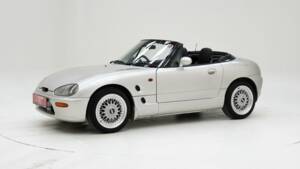
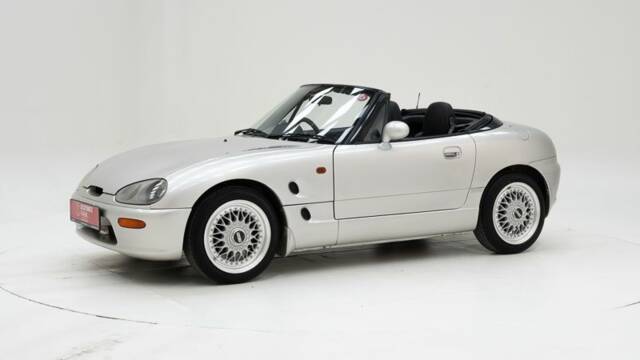
1992 | Suzuki Cappuccino
1992 Suzuki Cappuccino '92

Suzuki Cappuccino listing references from Classic Trader
Below you will find listings related to your search that are no longer available on Classic Trader. Use this information to gain insight into availability, value trends, and current pricing for a "Suzuki Cappuccino" to make a more informed purchasing decision.
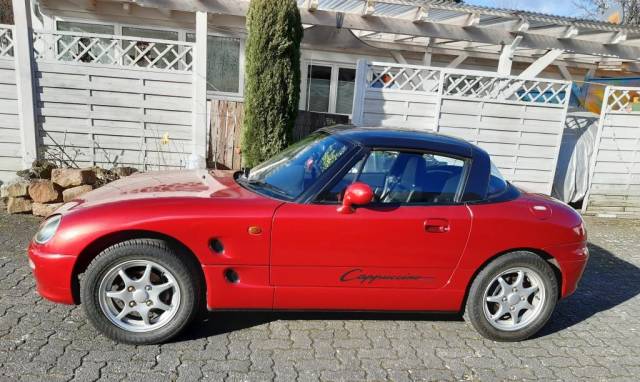
1994 | Suzuki Cappuccino
Das 4-in-1-Auto

Suzuki Cappuccino Classic Cars: Prices & Market Values
History of the Suzuki Cappuccino
The Suzuki Cappuccino was introduced in 1991 as Suzuki's entry into the competitive Japanese kei car sports segment. Developed to comply with the strict kei car regulations, which limited dimensions and engine capacity, the Cappuccino quickly distinguished itself with its playful character and agile handling. The car was produced until 1998 and was sold primarily in Japan, though some units found their way to other markets, especially the UK, through official and grey imports. The detachable roof system, allowing for targa, t-top, or full convertible configurations, marked a significant technological highlight at the time and contributed to its cult status.
Model History
The Suzuki Cappuccino's production run lasted from 1991 to 1998, without a direct successor within Suzuki's lineup. It replaced no specific model but was part of a wave of innovative kei sports cars including the Honda Beat and Autozam AZ-1. Its single generation still stands out for its well-engineered balance between weight, power, and fun. No major redesign or facelift was introduced during its short but memorable lifetime.
Highlights and Special Features
The Cappuccino stands out due to its lightweight construction, rear-wheel drive, and almost perfect 50:50 weight distribution, delivering precise handling in combination with its turbocharged three-cylinder engine. One of the most technically interesting features is its modular roof, which offers three different open-top configurations. Designed strictly to kei car regulations, it packs substantial driving enjoyment into a tiny package.
Technical Data
Special Editions and Collectible Models
Over its production, the Cappuccino was primarily manufactured in one specification, however later models received minor updates such as improved interior trim, more corrosion-resistant bodywork, and updated electronics. No widely recognised limited editions were released directly from Suzuki, though JDM variants and aftermarket tuning options are sometimes highlighted among enthusiasts.
Weak Spots and Common Issues
Despite its robust engineering, the Cappuccino can suffer from rust, particularly around the sills and wheel arches. The sophisticated roof mechanism requires careful maintenance to avoid leaks and ensure smooth operation. Turbocharger wear and ageing electronics may present issues in vehicles with high mileage or limited maintenance history.
Engine, Performance, Transmission and Handling
The Cappuccino is powered by a 657cc DOHC turbocharged inline-three, producing around 64 PS—the maximum allowed for kei cars at the time. The car’s five-speed manual transmission delivers power to the rear wheels, creating a purist driving feel seldom found in cars of this size. Its low weight and near 50:50 weight distribution enable lively handling. Steering is sharp, and the short wheelbase contributes to its playful dynamics on twisty roads. The Cappuccino is unique among Suzuki models, with all classic Suzuki listings on Classic Trader relating to this model alone, underscoring its special status and enthusiast appeal.
Interior, Comfort, Exterior and Design
Designed for purity and function, the Cappuccino’s minimalist interior makes effective use of limited cabin space, with supportive sport seats and a driver-focused dashboard. Exterior styling is compact and purpose-driven, defined by pop-up headlights (on early models) and a distinctive, compact silhouette. The highlight remains the three-way modular roof, enabling a coupé, targa, or full open-top experience at will. Most cars came in silver, red, or dark metallic colours. Optional genuine accessories included alloy wheels, upgraded audio systems and air conditioning, though much of the equipment was basic by modern standards.
Other Features
The Cappuccino is eligible for classic car status in many regions, offering advantages such as historic registration and lower insurance rates. Its low weight and small engine also make it economical to run, with excellent fuel efficiency for a sports car.
Summary
Suzuki Cappuccino vehicles offer a remarkable combination of mechanical simplicity, driving enjoyment, and distinctive design. With a strong presence in supply and demand on the classic car market, the Cappuccino provides a unique alternative for collectors and drivers seeking something truly different in the classic sports car segment.