Singer Ten classic cars for sale
The Singer Ten represents a key chapter in British motoring heritage, produced by Singer Motors from 1912 to 1949. With its distinctive 'Ten' taxation rating and a history spanning four decades, the model offers a glimpse into both early automotive engineering and evolving design preferences.
Suchergebnisse
Zur Zeit sind keine passenden Inserate zu Ihrer Suche veröffentlicht.
Create search alert
Let yourself be notified as soon as a listing is published that matches your search filters.
Create listing
Do you have a Singer Ten that you want to sell? Then create a listing now.
Create listingSinger Ten listing references from Classic Trader
Below you will find listings related to your search that are no longer available on Classic Trader. Use this information to gain insight into availability, value trends, and current pricing for a "Singer Ten" to make a more informed purchasing decision.
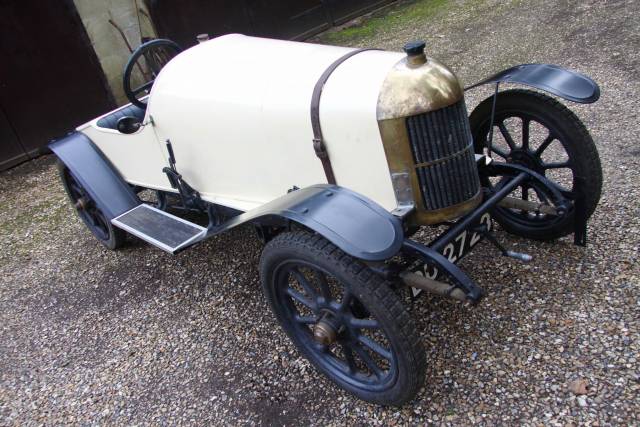
1913 | Singer Ten Sports
1913 Singer 10 Sprint Hillclimb car
Create search alert
Let yourself be notified as soon as a listing is published that matches your search filters.
Create listing
Do you have a Singer Ten that you want to sell? Then create a listing now.
Create listingSinger Ten Classic Cars: Prices & Market Values
History of the Singer Ten
Debuting in 1912, the Singer Ten was conceived as a response to the British tax horsepower system, where 'Ten' denotes its fiscal class rather than actual engine output. Over nearly forty years, the model underwent numerous mechanical and stylistic changes, adapting from pre-WWI simplicity to post-WWII improvements. This enduring production run demonstrates Singer's commitment to innovation and reliability within the small family car market.
Singer Ten Model History
The Singer Ten went through several iterations. Early models featured side-valve engines and straightforward engineering. After World War I, the line incorporated advancements such as overhead camshaft technology in later variants, unusual for the class at the time. While the early Ten filled the post-Edwardian need for accessible cars, postwar models kept pace with changing tastes until the late 1940s. The Ten's successors included more modern Singer small cars, ultimately reflecting the broader shift in British car design after WWII.
Highlights of the Singer Ten
The Singer Ten stands out for its long production life, adaptability to British taxation classes, and accessible engineering. Its position as a mainstay in Singer's range enabled many British families to own their first car. The Ten’s evolution mirrors major motoring trends between the wars — from basic early models to more sophisticated late variants.
Technical Data
Special Editions and Collectible Models
Occasional variants of the Singer Ten featured distinctive bodywork or running-gear upgrades, sometimes built by independent coachbuilders. Certain late prewar and immediate postwar editions are especially valued for their period-correct mechanical enhancements or limited production body styles.
Weak Spots and Common Issues
As with many prewar and immediate postwar British cars, Singer Ten models may exhibit chassis corrosion, aging electrics, and wear in engine components. Early mechanicals, while accessible, require regular lubrication and careful attention to period maintenance routines. Sourcing spares can be challenging for some variants, especially body panels and original interior trim.
Engine and Performance, Transmission and Handling
Performance is modest even by period standards, as the Ten was designed for economy rather than speed. Expect power outputs suited to relaxed touring rather than brisk acceleration. Early cars featured three-speed gearboxes; later ones sometimes offered four-speeds or improved synchromesh. Handling prioritised stability over cornering agility, and the ride prioritises comfort on rural roads over sporting ambitions. Notable Singer Ten variants include the later OHC-engined models that offered improved engine refinement, as well as any examples with unique coachbuilt bodies.
Interior, Comfort, Exterior and Design
Singer Ten models exhibited the conservative, upright proportions typical of British saloons from the 1910s through 1940s. Interiors typically featured utilitarian instrumentation, wood or bakelite trim, and simple cloth upholstery. Certain later or coachbuilt cars offered two-tone paint, stylised grilles, and special design flourishes with improved comfort. Factory accessories and optional extras were sometimes available, including period-correct lighting and luggage racks.
Other Features
Several Ten cars remain in use in vintage motoring clubs, often being restored for historic rallies. Their durable engineering and straightforward mechanics contribute to ongoing usability in enthusiast hands.
Summary
Singer Ten classic cars embody nearly forty years of British small car evolution, offering enthusiasts a direct link to the social and engineering developments of the early and mid-20th century. Their appeal rests on historical authenticity, accessible maintenance, and a uniquely British interpretation of the family saloon.