Singer Gazelle classic cars for sale
The Singer Gazelle, produced from 1956 to 1970, was positioned as a refined option within the Rootes Group, bridging the gap between basic Hillman models and the sporty Sunbeam line. Distinguished by its overhead cam engines, Audax bodywork, and upgrades throughout its generations, the Gazelle offers accessible British saloon charm for classic car enthusiasts.
Suchergebnisse
Zur Zeit sind keine passenden Inserate zu Ihrer Suche veröffentlicht.
Create search alert
Let yourself be notified as soon as a listing is published that matches your search filters.
Create listing
Do you have a Singer Gazelle that you want to sell? Then create a listing now.
Create listingSinger Gazelle listing references from Classic Trader
Below you will find listings related to your search that are no longer available on Classic Trader. Use this information to gain insight into availability, value trends, and current pricing for a "Singer Gazelle" to make a more informed purchasing decision.
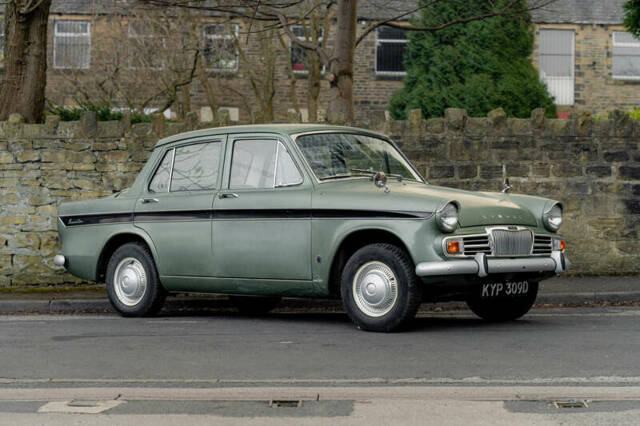
1966 | Singer Gazelle
1966 Singer Gazelle MK IV

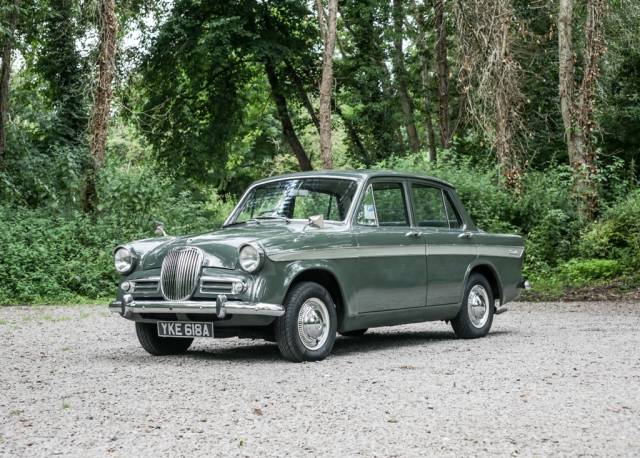
1963 | Singer Gazelle Series V
Singer Gazelle Series V
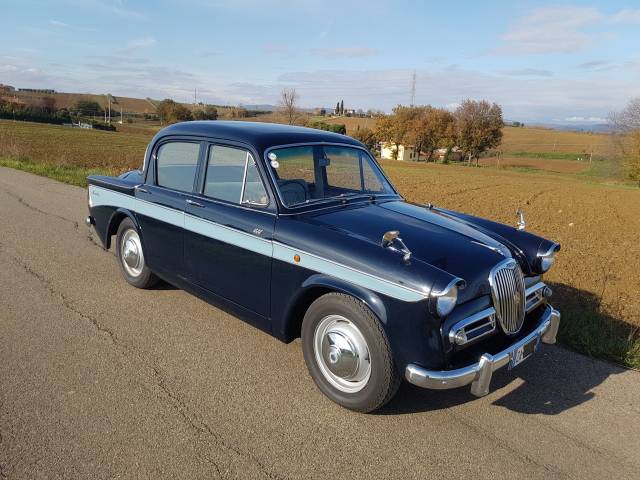
1962 | Singer Gazelle Series III C
Conservata !!! TARGA ORO ASI !!!

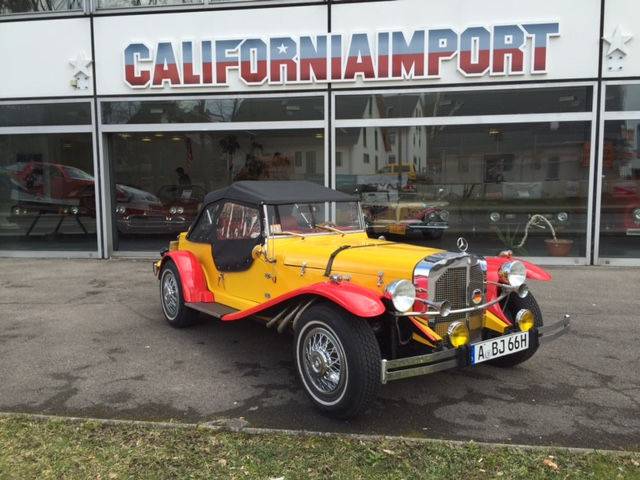
1981 | Singer Gazelle Series I
Andere Gazelle 1929 Replika Kit Car

Create search alert
Let yourself be notified as soon as a listing is published that matches your search filters.
Create listing
Do you have a Singer Gazelle that you want to sell? Then create a listing now.
Create listingSinger Gazelle Classic Cars: Prices & Market Values
Introduction and History of the Singer Gazelle
The Singer Gazelle marked a turning point for its brand, being the first Singer model released after the Rootes Group's acquisition in 1956. It emerged during a period of significant change within the British car industry and was meticulously engineered to occupy a slot between the utility-focused Hillman Minx and the dynamic Sunbeam models. While sharing much with the Hillman in terms of platform, the Gazelle stood apart thanks to Singer’s overhead camshaft engines and a distinctive chrome-laden front with the traditional Singer grille. The 'Audax' body shape, a result of collaboration with US-based Loewy design, gave it a unique appearance that found popularity in its market segment. Over time, the Gazelle evolved with continuous updates, covering seven main versions and incorporating both technical and design enhancements along the way.
Model History
The Gazelle family launched with the Mark I in 1956, offered only as a four-door saloon. The estate-bodied Mark II expanded the line-up from 1957. Most early models (Mark I to Mark III) utilized Singer’s OHC engines and were regularly updated, gaining improved equipment and enhanced styling. Mark IIIA introduced tail fins and a larger windshield, as well as a twin-carb engine layout producing 60 hp. Mark IIIB received a new hypoid rear axle, while IIIC was equipped with a larger 1592cc engine. Notably, the intended Mark IV was replaced by the Singer Vogue, and the Mark V came in 1963 with updated doors and revisions to the rear window layout. The Mark VI featured an all-new 1725cc engine with a five-bearing crankshaft. The final variant, the Mark VII, was built through 1970, representing the culmination of the Audax series' evolution. Throughout, the series was known for its continuous small improvements and stylish details.
Highlights of the Singer Gazelle
Several features distinguish the Singer Gazelle: a chrome-rich front fascia, distinctive Singer grille, and well-appointed interiors often with wood and quality trim. Mark III and later models offered two-tone paint, reclining front seats, and optional overdrive or Smith’s Easidrive automatic transmission. Technical upgrades included a move to larger, more powerful engines and enhanced suspension and braking to keep up with rivals. Floor-mounted gear changes were ahead of their time, reflecting a move away from the steering column gear levers common in the 1950s.
Regarding supply and demand: Based on Classic Trader’s database, the Singer Gazelle currently accounts for 100% of Singer models listed and viewed, underlining its singular importance for Singer’s classic car presence today.
Technical Data
Special Editions and Collectible Models
While there were no numbered limited editions, certain Gazelle versions have grown in collector significance due to rarity and specification. Notably, the Mark VI (just 1,482 produced), with its unique five-bearing crankshaft engine, and the two-tone Mark III/IIIA models with optional overdrive, are of particular interest to marque specialists. These later Audax-bodied cars are especially desirable for their technical improvements and enhanced comfort.
Engine and Performance, Transmission and Handling
Early Gazelles with Singer OHC engines provided smooth if modest performance, with improvements in power and drivability as Rootes Group engines and technology were phased in. The shift to twin Solex carburettors (Mark IIIA) and larger displacements (1592cc from Mark IIIC, 1725cc from Mark VI onwards) translated into more usable power, with outputs reaching up to 65 hp. Chassis improvements included upgraded rear axles and braking systems. Floor gear shifts (versus the typical column shift of the time) improved driving precision. Overdrive and automatic options improved comfort for longer journeys. The Gazelle’s ride is widely regarded as comfortable and well suited to British and Continental road conditions of its era. - Gazelle Mark IIIA: 1500cc twin-carburettor engine, two-tone paint, improved interior comfort.
- Gazelle Mark IIIC: 1592cc engine for higher output, revised chassis.
- Gazelle Mark VI: 1725cc engine with five-bearing crankshaft, limited production run.
Interior, Comfort, Exterior and Design
The Gazelle’s styling was shaped by international influence—American Loewy designers brought a flavour of transatlantic elegance to the Audax body. Distinctive front grilles and plentiful chrome set the car apart from plainer contemporaries. The two-tone paint options from Mark III onwards, larger windscreens, small tail fins, and an array of special trims gave later models greater flair. Interiors featured wood dashboard trim, high-quality upholstery, front bucket seats with optional armrest, and a compact layout prioritising comfort over extravagance. Buyers could also opt for accessories such as overdrive units and early automatic ‘Easidrive’ gearboxes, making for a flexible ownership experience by the standards of the day.
Summary
The Singer Gazelle range blends British manufacturing with American-inspired design, covering more than a decade of steady technical and aesthetic evolution. Its overhead cam engines, distinctive Audax bodywork, and continued development reflect a certain period of the British motor industry’s ambitions. With every Singer model listed and viewed today being a Gazelle, it remains the torchbearer for the marque in the classic car market.