Singer Chamois: Buy Classic Cars
The Singer Chamois represents the final chapter of Singer Motors, offering refined features atop the innovative Hillman Imp platform. With a higher standard equipment list including temperature and oil pressure gauges, the Chamois combines British small car engineering with distinctive detailing specific to Singer.
Search results
Currently, there are no matching listings for your search.
Create search alert
Let yourself be notified as soon as a listing is published that matches your search filters.
Create listing
Do you have a Singer Chamois that you want to sell? Then create a listing now.
Create listingSinger Chamois listing references from Classic Trader
Below you will find listings related to your search that are no longer available on Classic Trader. Use this information to gain insight into availability, value trends, and current pricing for a "Singer Chamois" to make a more informed purchasing decision.
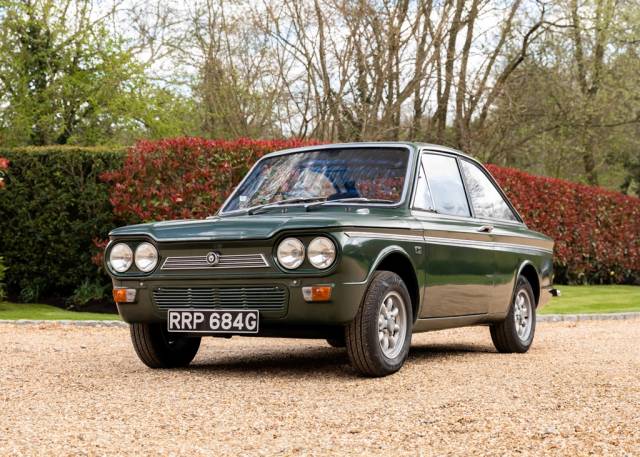
1968 | Singer Chamois
Singer Chamois
Create search alert
Let yourself be notified as soon as a listing is published that matches your search filters.
Create listing
Do you have a Singer Chamois that you want to sell? Then create a listing now.
Create listingSinger Chamois Classic Cars: Prices & Market Values
History of the Singer Chamois
Singer Motors, founded in 1874 and originally a bicycle maker, became known for constructing automobiles and commercial vehicles from 1901. The Chamois marked Singer’s swansong, built during an era when corporate consolidation saw the Rootes Group absorbed by Chrysler, leading to the ultimate disappearance of the Singer brand by 1970. Emerging as an upmarket, rear-engined compact, the Chamois utilised the advanced aluminium engine technology of the Hillman Imp, launched in 1963 and noted as the first British mass-produced car with such an engine configuration. The Chamois merged Singer's reputation for well-appointed small cars with Rootes’ technical ambitions.
Model History of the Singer Chamois
The Singer Chamois succeeded earlier Singer small cars and entered the market as an upmarket sibling to the Hillman Imp, sharing much of its hardware but providing a more comprehensive standard equipment list. There was no direct successor to the Chamois, as Chrysler’s acquisition resulted in the discontinuation of the Singer name after 1970. The Chamois is distinctive as the last car to wear the Singer badge and is rooted in late-1960s British car culture.
Highlights of the Singer Chamois
A key distinction for the Singer Chamois within the Imp family was its enhanced interior instrumentation, such as a temperature gauge, oil pressure gauge, and heater blower—features not commonly found on entry-level models of the era. At the time of its introduction, critics praised the Chamois for its comfort, equipment, and its advanced rear-mounted aluminium engine. Its build quality and unique Singer details set it apart from other Rootes models.
Technical Data
Special Editions and Collectible Models
There are no widely documented factory special editions of the Singer Chamois, but buyers should look for well-preserved examples with original specification equipment, as these are considered the most desirable among enthusiasts.
Weak Spots and Common Issues
Information specific to Chamois weak spots is limited, but the Hillman Imp platform is known for its sensitive cooling system due to the aluminium engine. Proper maintenance of the cooling system is crucial to avoid overheating. Regular inspection of timing components and diligent attention to oil changes are also important to ensure longevity.
Engine and Performance, Transmission and Handling
The Singer Chamois delivers nimble handling and a distinctive rear-engined driving experience uncommon in its price class during its era. The aluminium engine, shared with the Hillman Imp, provides adequate power for city and country driving, with lightweight design contributing to responsive handling. Gear changes are managed through a four-speed manual transmission, typical for its market segment. Enthusiasts value the Chamois for its precise steering and engaging character, especially when well-maintained. - Singer Chamois Saloon (standard configuration): Known for its higher trim level, full instrumentation - a rarity in British economy cars of its era.
Interior, Comfort, Exterior and Design
The Singer Chamois distinguished itself visually from its Rootes cousins with refined chrome details, unique grille treatment, and enhanced interior materials. The dashboard instrumentation, featuring oil pressure and temperature gauges as standard, underscored Singer’s focus on a more premium small car experience. Buyers should look out for original interior fabrics, period-correct accessories, and the optional heater blower, which improved comfort in British conditions. Exterior paint colours were classic for the period, with subtle trims to distinguish the Chamois from the standard Imp.
Other Noteworthy Features
Unlike many vehicles in its segment, the Chamois always shipped with detailing and features tying it to Singer’s quality-focused legacy. The car's engineering collaboration with the Rootes Group injected innovation into a traditional brand’s final act.
Summary
The Singer Chamois stands as the last evolutionary stage for Singer-branded cars, blending advanced aluminium engine technology and upmarket features with a shape familiar to fans of the Hillman Imp. With its distinctive equipment list and unique spot in British motoring history, the Chamois caters to collectors seeking originality and ingenuity within the world of classic compact cars.