SEAT Panda classic cars for sale
The SEAT Panda, engineered as Spain’s response to the Fiat Panda, stands out for its adaptable design, technical simplicity and motorsport tuning potential. Produced exclusively in Spain, it remains an intriguing model for those seeking character, affordability and modification opportunities.
Suchergebnisse
Zur Zeit sind keine passenden Inserate zu Ihrer Suche veröffentlicht.
Create search alert
Let yourself be notified as soon as a listing is published that matches your search filters.
Create listing
Do you have a SEAT Panda that you want to sell? Then create a listing now.
Create listingSEAT Panda listing references from Classic Trader
Below you will find listings related to your search that are no longer available on Classic Trader. Use this information to gain insight into availability, value trends, and current pricing for a "SEAT Panda" to make a more informed purchasing decision.
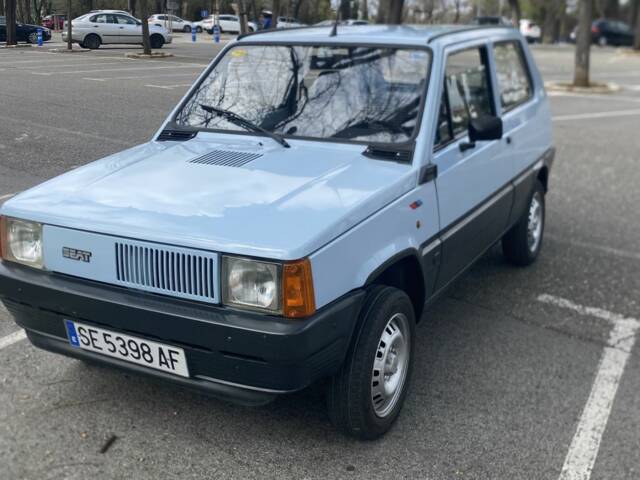
1984 | SEAT Panda 45
SEAT Panda 40 | 1984 | Route 66 Auctions - For sale by auction. Estimate 2500 EUR
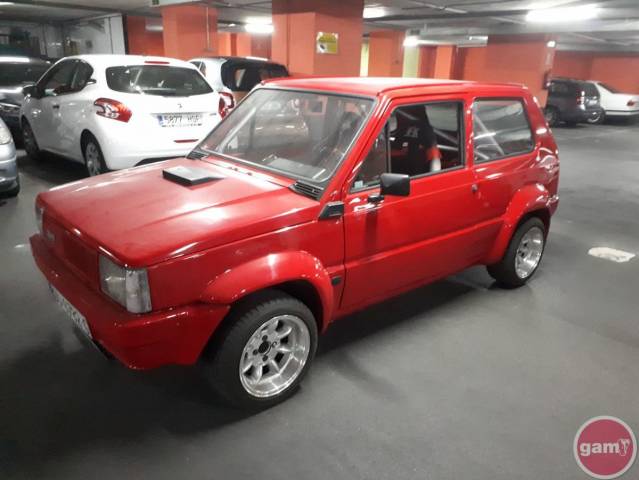
1984 | SEAT Panda 45
Lot 181
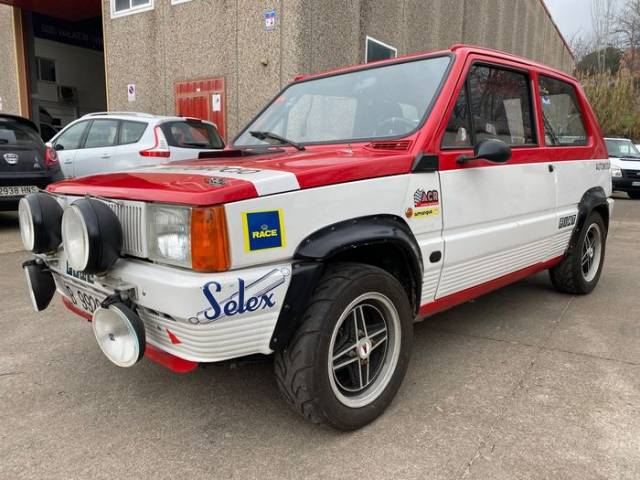
1985 | SEAT Panda 45
Create search alert
Let yourself be notified as soon as a listing is published that matches your search filters.
Create listing
Do you have a SEAT Panda that you want to sell? Then create a listing now.
Create listingSEAT Panda Classic Cars: Prices & Market Values
History of the SEAT Panda
The SEAT Panda, first introduced in 1980, was SEAT’s licensed take on the Fiat Panda, produced at SEAT's factories in Pamplona and Barcelona. After SEAT split from Fiat in 1986, the model was rebranded and facelifted as the SEAT Marbella, but the Panda designation captures the initial years of Spanish production. Notable for its utilitarian design and adaptability, the SEAT Panda provided basic but robust mobility tailored to Spanish market conditions. A minor restyling in 1983 included updates such as a new grille.
Model History
The SEAT Panda draws direct heritage from the Fiat Panda, sharing its essential layout and mechanicals but with manufacturing focused in Spain. Following the partnership’s end, SEAT restyled the model and renamed it Marbella, which continued the formula with subtle updates. The SEAT Panda did not have a direct predecessor within SEAT’s lineup and, post-1986, it evolved into the Marbella, reflecting SEAT's shift towards independent vehicle development.
Highlights and Special Features
Aside from its solid engineering roots, the SEAT Panda is cherished by enthusiasts due to its modification potential and motorsport background. Many Pandas have been converted for racing purposes, with upgrades such as ventilated brakes, group exhaust manifolds, strut braces, coilover suspensions and reinforced engine mounts. Abarth engines or 5-speed gearboxes from the VW Polo make regular appearances in tuned examples, especially those fitted with shorter final drives for dynamic driving.
Technical Data
Special Editions and Collectible Models
Racing conversions of the SEAT Panda are noteworthy in the classic car community. Enthusiasts commonly fit Abarth engines, VW Polo 5-speed gearboxes, vented and drilled front brake discs, group exhaust manifolds, strut braces, coilover suspension and reinforced engine mounts. These modifications have created a small but passionate following of highly individualised models.
Engine and Performance, Transmission and Handling
Standard SEAT Panda models offer modest performance, focusing on practicality rather than outright speed. Motorsport conversions transform the Panda’s handling and power significantly. Short final drives, five-speed gearboxes and tailored suspension setups contribute to agile city handling and spirited driving—especially in enthusiast-tuned versions. Popular variants among performance enthusiasts include those with Abarth motor conversions and VW Polo 5-speed gearboxes, boosting both dynamism and usability.
Interior, Comfort, Exterior and Design
The SEAT Panda’s design reflects straightforward engineering for utility and ease of use. The cabin is simply laid out for functionality, and exteriors are practical and easy to modify. Limited-run paint finishes or specialty trim are rare, with most customisation emerging from the enthusiast community via motorsport parts and accessories, rather than from factory options.
Other Notable Features
Besides its adaptability for motorsport and daily use, the SEAT Panda’s Spanish production gives it a special place in automotive culture, representing SEAT's early independent engineering identity after the partnership with Fiat.
Summary
The SEAT Panda serves as a unique entry point into Spanish automotive history. With its roots in the Fiat Panda, local production and thriving enthusiast scene centred on motorsport conversions, it remains a vehicle for those who value simplicity, modification freedom and affordability. The SEAT Panda's presence in the market continues to inspire both nostalgic appreciation and functional enjoyment.