SEAT 127 classic cars for sale
The SEAT 127, built in Spain between 1972 and 1982, is a supermini closely related to the Fiat 127, renowned for its solid bodywork, accessible spare parts and compatibility with motorsport adaptations. Recognised for its robust engineering, the SEAT 127 appeals not only to enthusiasts seeking originality but also to those interested in period-correct upgrades.
Search results
Currently, there are no matching listings for your search.
Create search alert
Let yourself be notified as soon as a listing is published that matches your search filters.
Create listing
Do you have a SEAT 127 that you want to sell? Then create a listing now.
Create listingSEAT 127 listing references from Classic Trader
Below you will find listings related to your search that are no longer available on Classic Trader. Use this information to gain insight into availability, value trends, and current pricing for a "SEAT 127" to make a more informed purchasing decision.
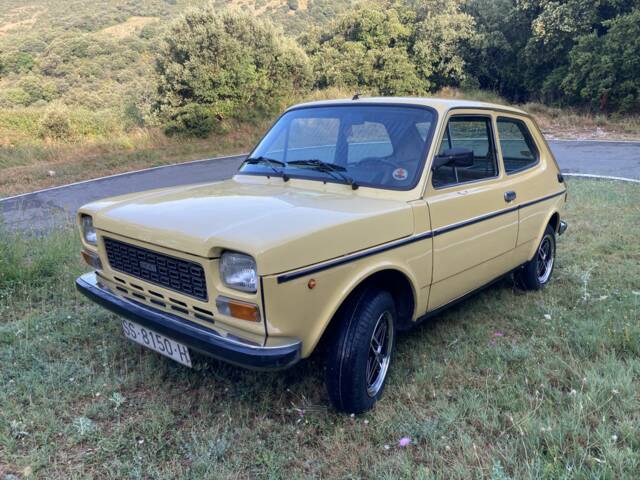
1976 | SEAT 127
SEAT 127 LS | 1976 | Route 66 Auctions - For sale by auction. Estimate 2500 EUR

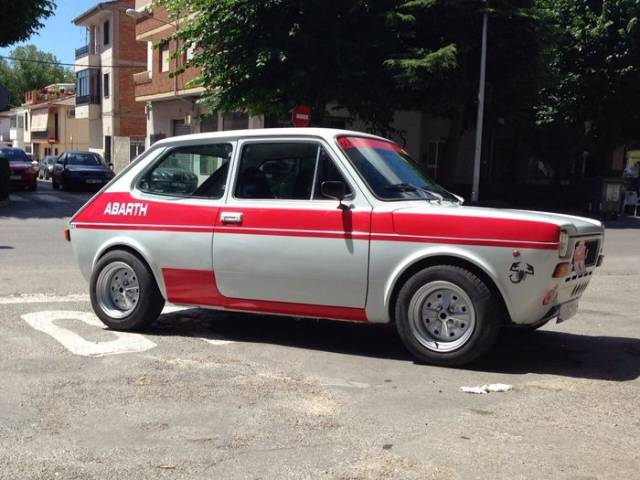
1975 | SEAT 127
Create search alert
Let yourself be notified as soon as a listing is published that matches your search filters.
Create listing
Do you have a SEAT 127 that you want to sell? Then create a listing now.
Create listingSEAT 127 Classic Cars: Prices & Market Values
History of the SEAT 127
Launched in spring 1972, the SEAT 127 entered the Spanish market as a direct relative of the Fiat 127, produced under license. Its production run, lasting until 1982, mirrored the evolution of European superminis, fulfilling a critical role in Spain’s urban mobility. The earliest 127s were delivered with a compact rear hatch, particularly for the local market, and quickly became a staple of everyday Spanish motoring thanks to their straightforward engineering and reliable build quality. A testament to their lasting appeal is the presence of rally-prepared examples, highlighted by historic participation in events such as Rally Catalunya. Due to local manufacturing, these cars sometimes come with original Spanish documentation, which provides additional interest for enthusiasts and importers across Europe.
Model History of the SEAT 127
The SEAT 127’s lineage began in 1972, drawing heavily on Fiat’s original design but assembled at SEAT’s Spanish facilities. The first series appeared in 1977, distinguished by a small rear hatch and immediately found a foothold in the domestic market. Over its production span, the 127 was updated in parallel with its Italian counterpart, though SEAT introduced unique trim and adaptation to cater to local regulations and consumer needs. The model retained its core mechanicals and body shape throughout, facilitating restoration using original or interchangeable Fiat and SEAT parts. With the production concluding in 1982, subsequent superminis from SEAT followed in the 127’s pragmatic and accessible tradition, marking it as the progenitor of SEAT’s later compact models.
Highlights and Statistics for the SEAT 127
A stand-out feature of the SEAT 127 is its compatibility with both Fiat and SEAT replacement components, including interior features such as seats and steering wheels, and exterior parts like bumpers and wheels. The model is noted for a strong body structure, especially considering cars of its era, and for technical soundness when in original specification. Additionally, its use as a rally base, including recreation in the Abarth look and documented rally history, distinguishes the 127 among superminis of the period. Period-correct accessories and a ready supply of replacement parts make it particularly attractive for restoration projects or for those seeking a reliable entry into classic city cars.
Technical Data for the SEAT 127
Special Editions and Collectible Models of the SEAT 127
Though officially marketed as a utilitarian city car, several SEAT 127s have been modified or restored to replicate rally variants, most notably in the style of the Fiat-Abarth. Furthermore, actual SEAT 127 rally entries—especially those with records of participation in Spanish events like Rally Catalunya—are of particular interest. Restored vehicles sometimes feature period accessories and upgraded trims to achieve a sportier appearance.
Weak Spots and Common Issues with the SEAT 127
Despite generally strong bodywork for its era, buyers should carefully examine for rust in structural areas as with any older European small car. The mechanicals—typically solid in their original condition—should be checked for wear, as components may have been swapped or updated over the years. The availability of replacement parts for both major assemblies and trim is a significant advantage, though originality should be confirmed for those seeking to maintain or restore period-correct specification.
Engine, Performance, Transmission and Handling of the SEAT 127
The SEAT 127’s performance closely mirrors the Fiat 127, with small-displacement four-cylinder units delivering lively city handling and modest power suited to urban use. Its simple front-wheel drive system and lightweight construction make for nimble handling, a feature appreciated in regular traffic and historic rally settings alike. Rally-prepared examples illustrate the model’s adaptability, with period upgrades making the SEAT 127 competitive in motorsport within its class. Prominent models include both early first series cars with the smaller hatch and later variants adapted for rally use, as well as original specification models preserved with factory trim and equipment.
Interior, Comfort, Exterior and Design of the SEAT 127
Styling for the SEAT 127 follows the unadorned, practical ethos of its Fiat counterpart, with straight lines and a focus on function over luxury. The early models are distinguished by a smaller rear tailgate; Spanish-market 127s may feature simpler interior trims. However, the model’s simple dashboard, easily changeable seats and compatibility with a range of Fiat and SEAT accessories allow for individualisation. Special colour options were limited, but restored examples sometimes feature non-standard hues or Abarth-inspired additions. The compact footprint, upright seating and clear controls make it a practical, no-nonsense classic for urban use, with a wide range of authentic accessories and multiple options for period-correct upgrades.
Other Relevant Features of the SEAT 127
Ownership of the SEAT 127 often includes vehicles equipped with contemporary period accessories or upgraded with original spare parts. The ease of European and worldwide shipping further facilitates access to rare Spanish-documented cars, while the model’s engineering makes it especially suitable both for enthusiasts seeking an entry-level classic and for those pursuing more ambitious rally-style restorations or recreations.
Summary of the SEAT 127
The SEAT 127 presents itself as a practical and robust classic small car, with strong ties to the Fiat 127 and Spanish manufacturing heritage. With its widespread parts availability, versatile restoration possibilities and a unique position as the sole classic SEAT in its model range currently available, the 127 continues to appeal to enthusiasts in search of both originality and technical reliability.