SEAT 800 classic cars for sale
The SEAT 800 stands out as a rare, hand-built Spanish four-door compact, based on the SEAT 600 but featuring an extended chassis and unique design features such as suicide doors. With production limited to just a few hundred examples between 1964 and 1967, it holds a unique position in Spanish automotive history.
Suchergebnisse
Zur Zeit sind keine passenden Inserate zu Ihrer Suche veröffentlicht.
Create search alert
Let yourself be notified as soon as a listing is published that matches your search filters.
Create listing
Do you have a SEAT 800 that you want to sell? Then create a listing now.
Create listingSEAT 800 listing references from Classic Trader
Below you will find listings related to your search that are no longer available on Classic Trader. Use this information to gain insight into availability, value trends, and current pricing for a "SEAT 800" to make a more informed purchasing decision.
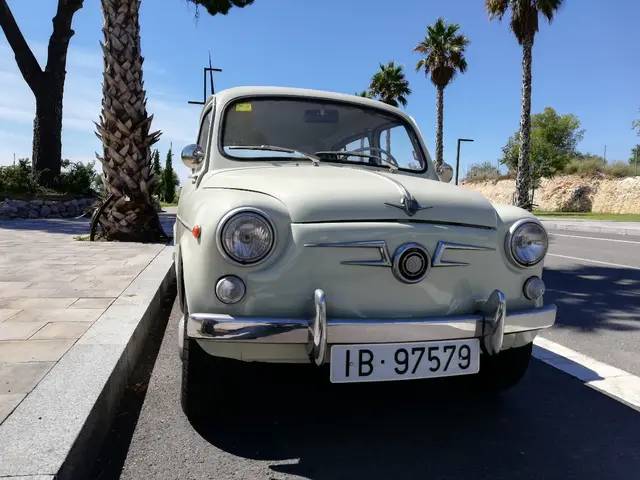
1966 | SEAT 800
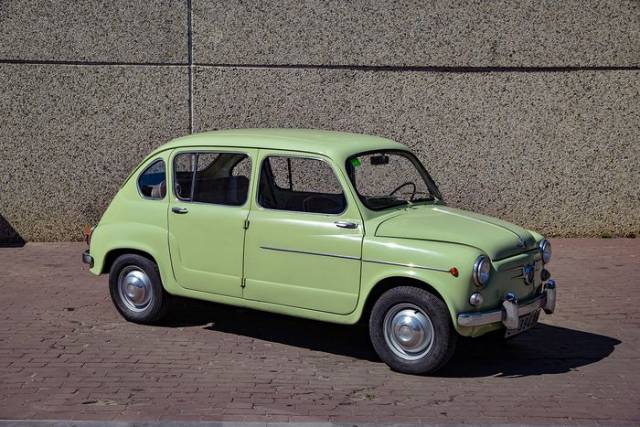
1965 | SEAT 800
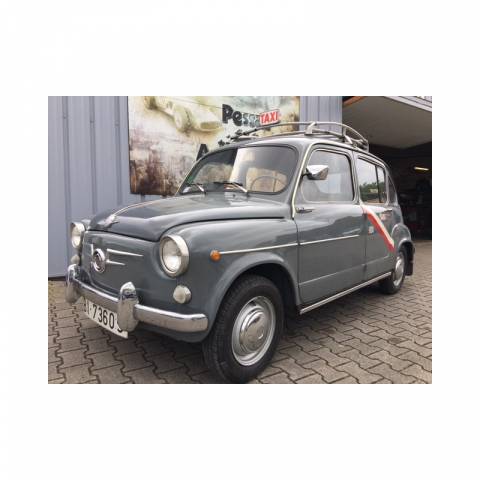
1964 | SEAT 800
SEAT 800 TAXI DE BILBAO
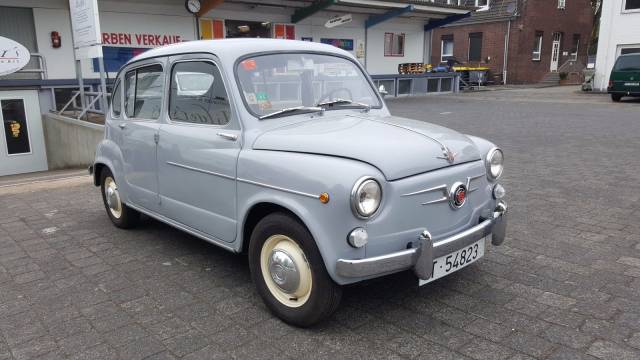
1967 | SEAT 800
Seat 800 Turismo - Kleine Rarität - 4 Türer
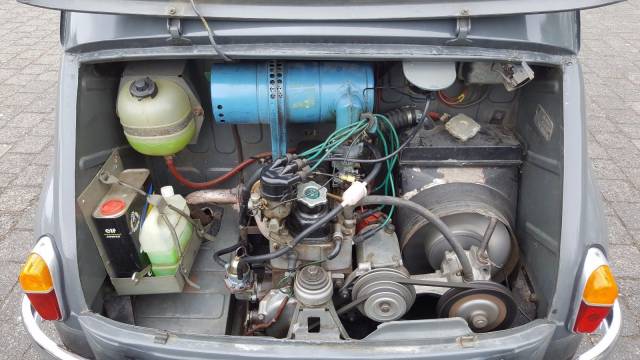
1965 | SEAT 800
Fiat Seat 800 Turismo - absolute Rarität
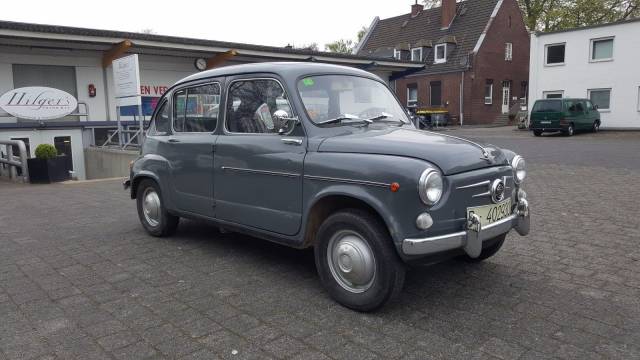
1965 | SEAT 800
Fiat Seat 800 Turismo - 4-Türer- Rarität
Create search alert
Let yourself be notified as soon as a listing is published that matches your search filters.
Create listing
Do you have a SEAT 800 that you want to sell? Then create a listing now.
Create listingSEAT 800 Classic Cars: Prices & Market Values
History of the SEAT 800
The SEAT 800 was introduced as the Spanish answer to the need for a more practical city car, building on the widespread success of the SEAT 600. Developed in the mid-1960s, the 800 was fabricated between 1964 and 1967, representing an ambitious step by SEAT and Carrocerías Costa to create a family-friendly four-door alternative for the Spanish market. The car's origins can be traced to the growing demand for vehicles that could function as taxis and compete with models like the Citroën 2CV and Renault 4. Unlike standard mass production, each SEAT 800 was hand-assembled using extended SEAT 600 chassis, chiefly in Tarrasa and Tarragona. Its production numbers stayed in the low hundreds, making it a seldom-seen highlight among Spanish classics.
Model history
As the direct evolution of the SEAT 600, the SEAT 800 was conceived to provide greater space and utility by stretching the basic architecture of the original 600. The project was driven by local Spanish demand, particularly for urban taxis and larger families. Compared to its predecessor, the SEAT 600, the 800 offered four doors—a rare feature in such compact cars of the era. Later, as newer models and modern concepts entered the market, the 800 saw no direct successor in the SEAT lineup, marking it as an exceptional, one-off variation within SEAT’s history.
Highlights of the SEAT 800
The SEAT 800's most notable feature is its hand-crafted four-door body, unique among Spanish compacts of the 1960s. Suicide doors provide easier access and set the vehicle apart visually. With only a few hundred ever made, it remains a rare sight even at classic car gatherings. The 800’s development was specifically aimed at serving as a city taxi—a role rarely filled by such compact vehicles. Its combination of Spanish craftsmanship and unique design details, such as factory-fitted period accessories, further increase its appeal.
Technical data
Special Editions and Collectible Models
All SEAT 800 units can be considered unique, as each was manually assembled by Carrocerías Costa. Variations exist depending on individual production runs, but no officially designated ‘special edition’ models are known, given the limited, artisanal manufacturing process.
Weak Spots and Common Issues
Information about typical weaknesses of the SEAT 800 is scarce due to its rarity and hand-built nature. Given its construction on the SEAT 600 chassis and the hand-assembled four-door body, potential buyers should inspect structural integrity at the extended chassis sections, pay attention to door alignment, and look for repairs or modifications in the bodywork. Spare parts for body and interior elements may be extremely limited because of the bespoke production process.
Engine and Performance, Transmission and Handling
Powered by a 767 cc four-cylinder, the SEAT 800 delivers modest performance, suited for urban environments rather than high-speed travel. The handling characteristics are reminiscent of the SEAT 600 but adjusted for a longer chassis and increased passenger load. The transmission is a manual gearbox, handling the additional weight and length with decent, period-typical responsiveness. As a purpose-built city car, driving dynamics focus on manoeuvrability and practicality rather than outright speed. The SEAT 800 itself is the standout model within this short-lived line, with no sub-variants or engine upgrades, making every surviving example noteworthy.
Interior, Comfort, Exterior and Design
The SEAT 800’s design distinguishes itself through its stretched body and four-door arrangement on a city car platform. Notable are the ‘suicide’ rear doors—a rarity among its class. Interiors were equipped with contemporary Spanish materials and often included period-correct accessories selected at the time of assembly. As each example was hand-built, interior trims and finishes may differ between vehicles. Factory exterior colours were limited, tailored to Spanish tastes of the 1960s.
Other relevant features
Because of its extremely low production numbers and artisanal assembly, each SEAT 800 carries unique aspects that differentiate it further from its SEAT 600 sibling. The car’s scarcity means that originality, documented history, and the presence of period accessories are particularly important for collectors and enthusiasts.
Summary
The SEAT 800 holds a unique position in automotive history as a limited-production Spanish city car, hand-built exclusively for a short period in the 1960s. Combining practical engineering with local craftsmanship, it was intended to meet the demands of Spanish families and taxi operators. Its rarity, bespoke assembly, and distinct design make it a singular find in the world of classic cars.