Renault Rodéo classic cars for sale
The Renault Rodéo stands out as a distinctive utility vehicle from the French brand, offering a blend of lightweight construction, open bodywork, and remarkable versatility. Especially popular in the 1970s and 1980s, the Rodéo has become a favourite for enthusiasts seeking simplicity, originality, and outdoor driving pleasure.
Search results
Currently, there are no matching listings for your search.
Create search alert
Let yourself be notified as soon as a listing is published that matches your search filters.
Create listing
Do you have a Renault Rodéo that you want to sell? Then create a listing now.
Create listingRenault Rodéo listing references from Classic Trader
Below you will find listings related to your search that are no longer available on Classic Trader. Use this information to gain insight into availability, value trends, and current pricing for a "Renault Rodéo" to make a more informed purchasing decision.
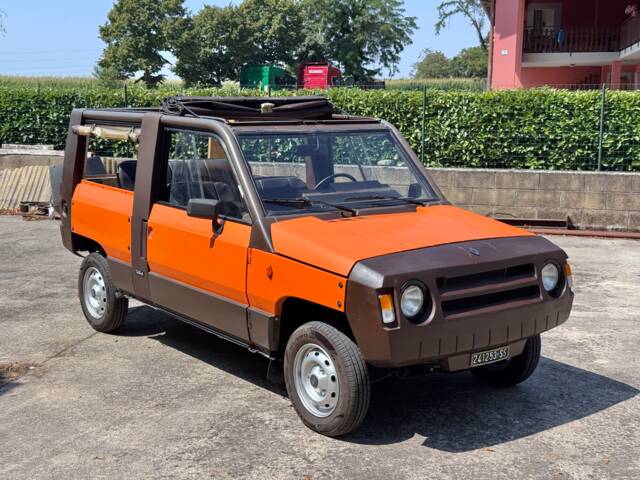
1982 | Renault Rodéo
RENAULT RODEO 5 – CONSERVATIVE RESTORATION WITH CRS, READY FOR USE
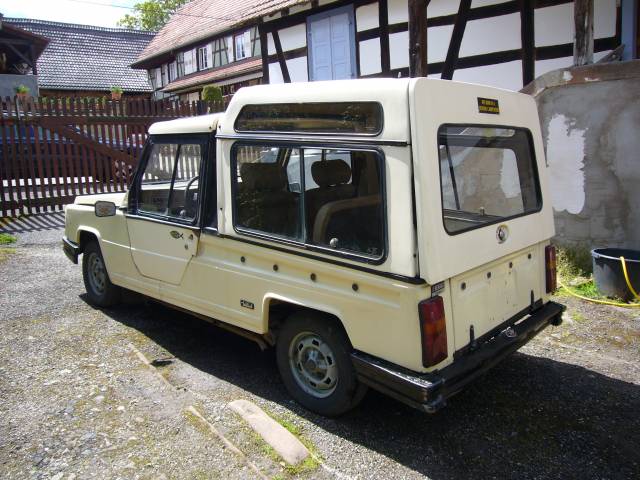
1980 | Renault Rodéo 6
Fa. Teilhol mit Hardtop zweiteilig, 4 Sitze

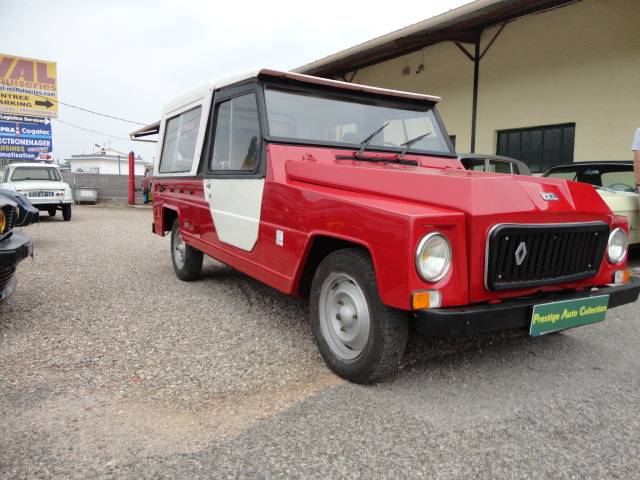
1979 | Renault Rodéo 4
Moteur rénové posé par nous.

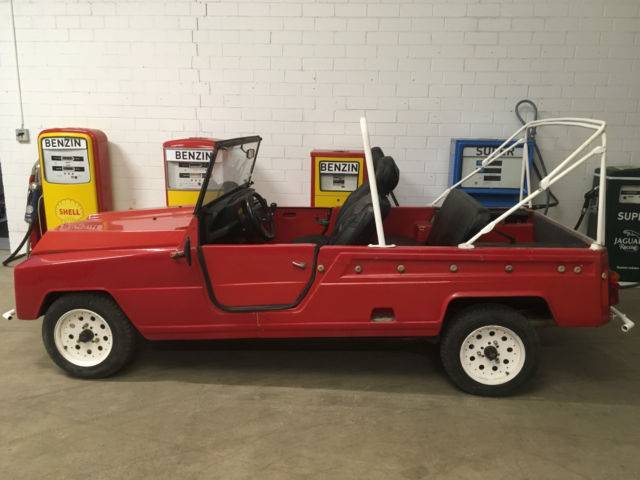
1974 | Renault Rodéo 4
H-Zulassung
Create search alert
Let yourself be notified as soon as a listing is published that matches your search filters.
Create listing
Do you have a Renault Rodéo that you want to sell? Then create a listing now.
Create listingRenault Rodéo Classic Cars: Prices & Market Values
History of the Renault Rodéo
The Renault Rodéo was conceived to fill the niche for an ultra-light, practical vehicle for leisure and work, inspired by the rising popularity of recreational off-roaders like the Méhari and Citroën’s compact utility cars. Developed in cooperation with the coachbuilder ACL (Ateliers de Construction du Livradois), the Rodéo was introduced in 1970 and remained in production until the late 1980s. It played a unique role in Renault’s lineup as a multi-purpose, modular vehicle that could handle both rural chores and trips to the beach.
Model history of the Rodéo series
The Renault Rodéo debuted as the Rodéo 4, based on parts from the Renault 4, using its reliable mechanicals and simple body-on-frame design. In 1972, the Rodéo 6 appeared, now using the Renault 6’s more powerful engine and offering improved comfort and equipment. Over its production run, several incremental updates followed, often focused on increased weather protection, minor external tweaks, and interior enhancements. No direct predecessor existed, but competitors included Citroën Méhari. The model line didn’t have a direct successor; Renault’s Kangoo and later offerings took on the practical, utility vehicle role.
Highlights and particularities of the Renault Rodéo
A key feature of the Rodéo is its rust-resistant polyester bodywork, removable roof sections, and easily washable interior, explicitly designed for open-air driving and rugged use. The doors and top could be removed or swapped, allowing the car to morph from a simple two-door utility to a convertible runabout. Simple engineering and construction mean it’s easy to maintain and repair. Its minimalist approach appeals to fans of robust, analogue vehicles.
Technical data for Renault Rodéo
Special Editions and Collectible Models of the Rodéo
Special versions of the Rodéo were rare, but some limited editions were produced for specific markets or events, often coming with unique colour schemes, upgraded trim, or promotional branding. Most collectible today are well-preserved early Rodéo 4s or particularly rare paint jobs, sometimes delivered as beach or resort editions.
Weak Spots and Common Issues
While the Rodéo benefits from robust Renault mechanicals, age-related issues can include brittle plastic bodywork sections, corrosion on non-plastic elements like the chassis, and typical wear in electrical components exposed to weather. Pay particular attention to the frame, suspension mountings, and the fitment of removable body parts. Spares are generally available through Renault classic specialists due to parts-sharing with Renault 4 and 6.
Engine, Performance, Transmission and Handling
Renault equipped the Rodéo with proven four-cylinder engines, balancing efficiency and simplicity. With light kerb weight and low-powered engines, acceleration is moderate, but agility in off-road or unpaved conditions is good. Transmission is a straightforward manual four-speed, with gear ratios matched to rural or recreational use. The car’s focus is less on top speed and more on practicality and the driving experience in open-air conditions. Notable are the Rodéo 6 with its stronger engine and slightly higher comfort level, as well as early Rodéo 4s, often sought after by purists.
Design, Interior and Equipment
The Rodéo’s design is utilitarian, with flat plastic body panels and minimal ornamentation, crafted by ACL for durability rather than luxury. Its sparse interior, hose-cleanable flooring, and removable soft tops express a clear focus on functionality. Some versions featured bright, playful colours, aimed at holidaymakers or outdoor enthusiasts. Factory and aftermarket accessories include soft canvas roofs, roll bars, roof racks, and luggage carriers. Special editions might have had unique trim or paint, often striped or brightly coloured.
Other Features and Facts
Thanks to its lightweight construction, low fuel consumption, and simplicity, the Rodéo can be a practical classic, especially in rural or seaside environments. Its unique place in Renault’s history and rarity in today’s market make it a noteworthy option for collectors focused on leisure classics or French automotive heritage.
Summary
The Renault Rodéo is a testament to French ingenuity in the practical, fun, and minimalistic approach to mobility of the 1970s and 1980s. Its ease of maintenance, adaptability, and rugged appeal ensure that it remains an interesting vehicle for collectors and drivers who appreciate utility, honesty, and open-air freedom in a classic package.