Renault Floride classic cars for sale
Produced from 1958 to 1968, the Renault Floride combined Italian design from Pietro Frua with reliable Renault engineering. Offered as both a coupé and a convertible—known as the Caravelle in North America—the Floride stands out for its distinctive style, rear engine layout, and direct connection to the Renault Dauphine. Its compact size, technical evolution and European elegance make it unique among classic French sports cars.
Search results

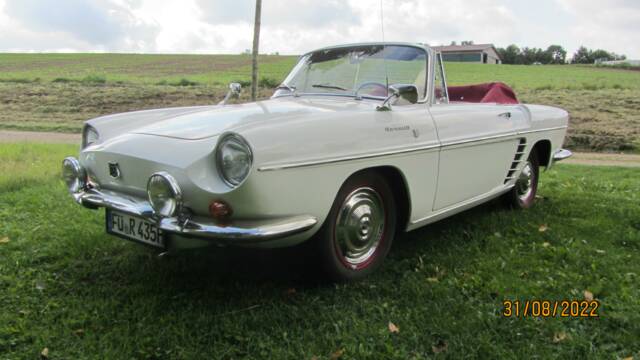
1960 | Renault Floride
Brigitte Bardot's favorite car!

Renault Floride listing references from Classic Trader
Below you will find listings related to your search that are no longer available on Classic Trader. Use this information to gain insight into availability, value trends, and current pricing for a "Renault Floride" to make a more informed purchasing decision.
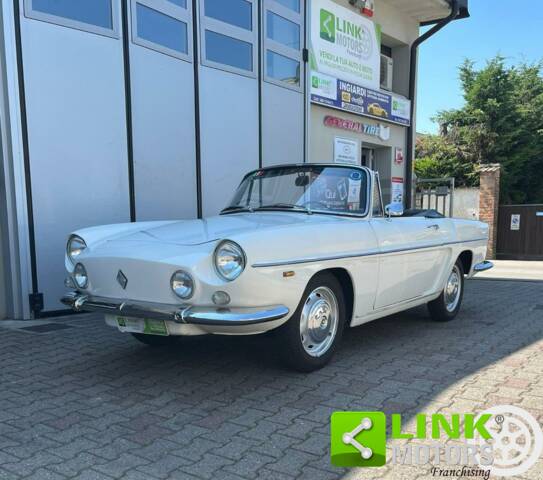
1964 | Renault Floride
RENAULT Floride ASI

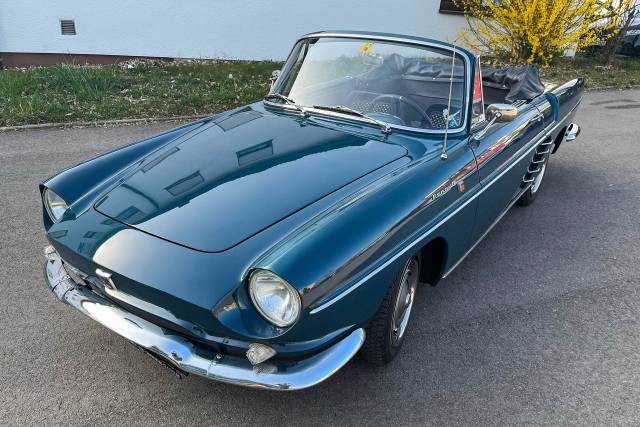
1961 | Renault Floride
In Classicbid-Auktion am 23. April 2022 auf der RETRO CLASSICS STUTTGART
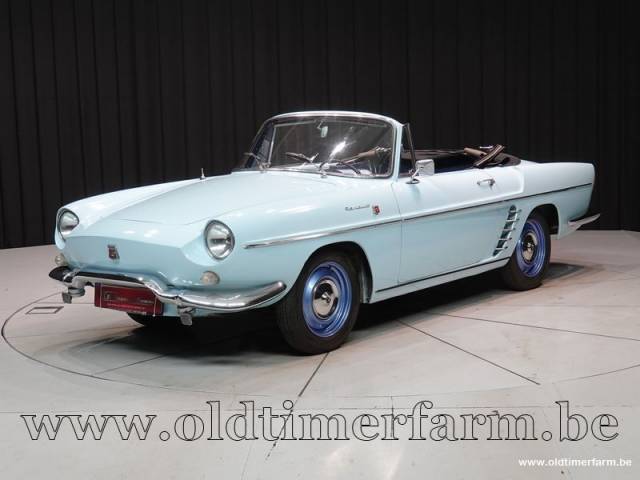
1960 | Renault Floride
1960 Renault Floride R1092 '60

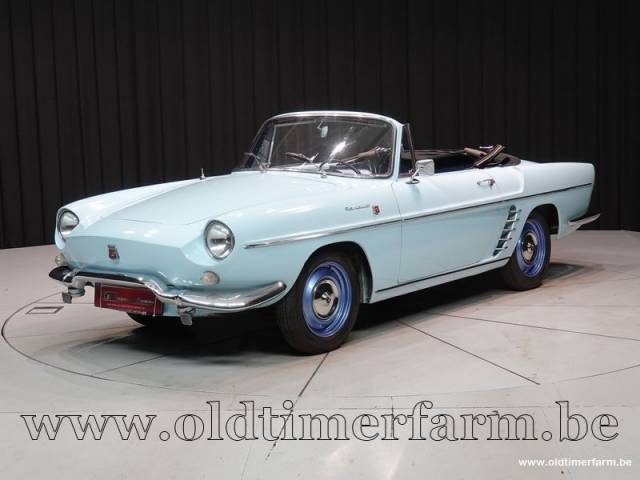
1960 | Renault Floride
1960 Renault Floride R1092 '60
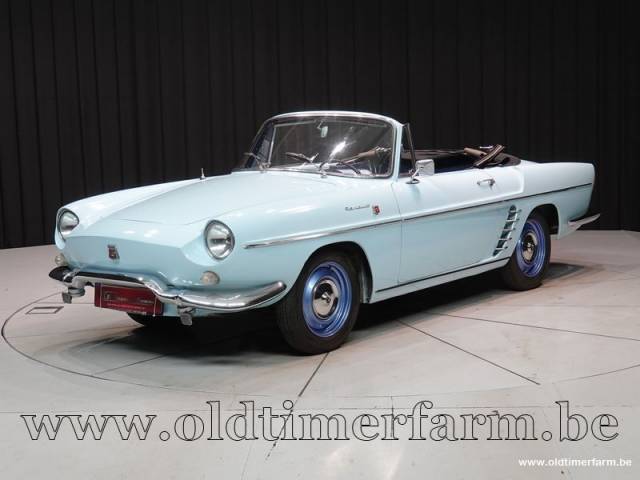
1960 | Renault Floride
1960 Renault Floride R1092 '60
Renault Floride Classic Cars: Prices & Market Values
History of the Renault Floride
The Renault Floride was launched in 1958 as a stylish alternative to the compact sedans populating postwar France. Designed by Pietro Frua at Carrozzeria Ghia, the Floride rode on the platform of the Renault Dauphine, sharing its rear-mounted four-cylinder engine and underpinnings. What set the Floride apart was its chic exterior and flexible body configurations, available as a 2+2 coupé or convertible, with an optional removable hardtop. Renault marketed the model as the Caravelle in the United States and Canada to evoke a sense of worldliness and flair. Updates in 1962 and 1964 brought more powerful engines derived from the Renault 8, keeping the model competitive as the '60s progressed. Production continued until 1968, marking a decade of charm and continental flair.
Model History
The Floride does not have a direct predecessor—rather, it was conceived to complement the Dauphine by providing a sportier, design-focused companion built on the same mechanicals. Its production run saw mainly evolutionary rather than revolutionary change, with the most significant updates being the introduction of larger engines in 1962 and 1964 (956 cm³ and later 1108 cm³). The Floride was eventually succeeded in spirit and positioning by Renault’s later sports-oriented models, but the direct replacement in the line-up was not a single model. The Caravelle nameplate continued to be used in export markets even after the Floride badge was dropped in France.
Highlights of the Renault Floride
The Floride stands out for its Italian design by Ghia, especially the work of Pietro Frua, which set a benchmark for French automotive styling of the late 1950s and early 1960s. It featured a compact yet spacious 2+2 layout, and was available as both a true open-top cabriolet and a coupé with a removable hardtop. The progression from the original 845 cm³ engine to the later 1108 cm³ unit (55 hp) significantly improved its agility and cruising ability. The vehicle's rear-engine, rear-drive layout was uncommon among its direct competitors.
Technical Data
Special Editions and Collectible Models
While there were no explicitly marked limited editions, the Floride/Caravelle range was offered with various options, such as the Cabriolet with removable hardtop. Models equipped with the larger 1108 cm³ engine, introduced in 1964, tend to be more desirable due to improved performance and ease of use in modern conditions. Regional badging (Floride vs. Caravelle) creates subtle collectability differences for enthusiasts.
Weak Spots and Common Issues
There is no detailed database entry on common issues specific to the Floride available here, but typical items to check on Floride/Caravelle models include rust in the sills and floorpan due to the car’s age, attention to engine cooling (given the rear-mounted water-cooled four-cylinder), and inspection of convertible top mechanisms in open models. Given shared parts with the Dauphine and Renault 8, many mechanical components are available, but trim and body parts may require sourcing from specialist suppliers.
Engine and Performance, Transmission and Handling
The Floride’s driving experience is defined by its rear-engine layout and light weight. With early models offering 40 hp from the 845 cm³ engine, and later models reaching up to 55 hp from the 1108 cm³ engine, performance is spirited for its era, especially in urban and winding road scenarios. The four-speed manual gearbox and rear-wheel drive provide engaging dynamics, while its compact dimensions make for nimble handling.
The 1108 cc version’s top speed of 145 km/h is significant for a small French coupé or cabriolet of the sixties. - Renault Floride 1108: 1108 cm³, 55 hp, top speed 145 km/h
- Renault Floride 956: 956 cm³, improved over the original Dauphine engine
Interior, Comfort, Exterior and Design
Pietro Frua’s rendering resulted in a distinctly elegant coupé and convertible silhouette, featuring long tail fins, wraparound windscreen, and refined lines. The interior reflects late 1950s European taste: simple, functional, and designed for comfortable cruising. Special features included the optional removable hardtop, a rare offering for this class of car, and period-correct colour palettes that leaned towards bold, stylish pastels and metallics. Chrome detailing, dashboard design and 2+2 seating configuration ensured the Floride felt a cut above basic sedans. Accessories such as tonneau covers and specific interior trim bordered on luxury for Renault at the time.
Other notable features
The Floride’s engine and many mechanical components are shared with the Renault Dauphine and Renault 8, making some mechanical maintenance more accessible for classic car owners. The model's export success under the 'Caravelle' name affirms its appeal beyond the French market, especially among North American collectors and Francophile enthusiasts alike.
Summary
The Renault Floride blends Italian design pedigree with French engineering from the pivotal postwar period. Renowned for its elegant appearance, mechanical simplicity, and flexible coupé/cabriolet packaging, it captured a unique market segment eager for stylish, affordable performance. As shown by listings and demand statistics, the Floride has achieved a defining place among classic Renault sports vehicles, with specific variants such as those with the 1108 cm³ engine highly prized for their usability and engaging character.