Rainier Model C classic cars for sale
The Rainier Model C stands as a luxurious testament to early American car engineering—a stately vehicle once known as the “Pullman of Motor Cars,” offering over two meters in height, a robust T-Head four-cylinder engine, and rare period features such as interchangeable roofs and original jump seats. Discover details and the appeal of the Rainier Model C below.
Search results
Currently, there are no matching listings for your search.
Create search alert
Let yourself be notified as soon as a listing is published that matches your search filters.
Create listing
Do you have a Rainier Model C that you want to sell? Then create a listing now.
Create listingRainier Model C listing references from Classic Trader
Below you will find listings related to your search that are no longer available on Classic Trader. Use this information to gain insight into availability, value trends, and current pricing for a "Rainier Model C" to make a more informed purchasing decision.
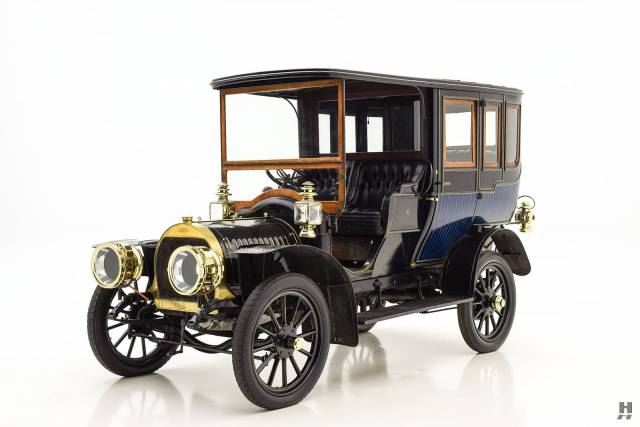
1907 | Rainier Model C
Rainier Model C
Create search alert
Let yourself be notified as soon as a listing is published that matches your search filters.
Create listing
Do you have a Rainier Model C that you want to sell? Then create a listing now.
Create listingRainier Model C Classic Cars: Prices & Market Values
History
Founded by John T. Rainier around 1900, the Rainier company originated from the acquisition of Vehicle Equipment Co., a Brooklyn-based builder of electric trucks and excursion buses. Initial experimentation led to the introduction of the Rainier name in 1905, branding a new line of high-luxury cars assembled in Flushing, New York, with technical input from Garford in Ohio. With a reputation earned on American hillclimbs, Rainier prided itself on uncompromising standards of quality and exclusivity—so much so, that period advertising described these cars as the 'Pullman of Motor Cars.' After Garford shifted its partnership to Studebaker in 1907, Rainier relocated assembly to Saginaw, Michigan, and increased engine capacity, but ultimately faced bankruptcy in 1910, after building only 180 vehicles of the ambitious 300 planned. The brand was absorbed by General Motors in 1910, who phased it out in favour of their Marquette line by 1911. The Rainier Model C was among the very last of the original New York-built luxury models, standing as an engineering and aesthetic peak before Rainier's closure.
Model history
Rainier’s model history is tightly woven with American luxury car evolution in the early 20th century. The Model C debuted with a 280 cubic inch (about 4.6 L) T-Head four-cylinder engine, delivering 30/35 hp—a considerable figure for its era. Its chassis and bodywork were crafted in partnership with Garford and famed coachbuilder C.P. Kimball, offering options as both closed limousines and open tourers. Model Cs mark the transition era before Rainier’s production shift from New York to Michigan, and before General Motors’ takeover, making them a pivotal link in both Rainier’s and early American automotive history. Successor models would be subsumed into the short-lived Marquette line after GM’s acquisition.
Highlights of Rainier Model C
The Rainier Model C distinguishes itself with engineering and craftsmanship that targets the luxury car segment of the 1900s. The towering body—over seven feet high—housed a spacious interior configurable for period luxury. Mechanical highlights include a T-Head four-cylinder engine, high-quality chassis originally supplied by Garford, and coachwork from C.P. Kimball, with features such as removable roofs, summer doors, convertible tops, and period appointments like rear jump seats and intercom tubes. Rainier vehicles also stood out for their bespoke extras—electric lighting, gentlemen's cigarette cases, ladies' toiletry sets, and a dashboard clockwork—all remarkable for their time.
Technical data
Special Editions and Collectible Models
Special editions of the Rainier Model C were defined largely by bespoke coachwork choices and interior options. Features like removable roofs, summer doors, and luxury fittings such as intercom tubes and brass lamps were available, often tailored to buyer specifications. Surviving examples with original accessories—such as the factory intercom tube and jump seats—are especially noteworthy among collectors.
Weak Spots and Common Issues
No specific weak spots or recurring maintenance issues are documented for the Rainier Model C from current sources. As a highly bespoke luxury vehicle from the early 1900s, restoration and upkeep will require specialist knowledge, original parts if available, and attention to the complex coachwork and period-correct accessories.
Engine and Performance, Transmission and Handling
The Model C’s 4.6-litre, T-Head four-cylinder engine developed a cited 30/35 horsepower, transmitted via a robust drivetrain matched to a luxury chassis. These cars were designed for durability and comfort over unpaved roads, with suspension and drivetrain geared towards reliability and smooth rides over distance. Their competitive presence in early hillclimbs speaks to the effective balance between power and mechanical grip—unusual for a car of its size and class for the period. The Model C, with its potent 4.6-litre engine and advanced build, was among the most technically sophisticated Rainier models. Vehicles surviving today often feature original tourer or limousine coachwork, sometimes with period extras such as jump seats and bespoke roof systems.
Interior, Comfort, Exterior and Design
Rainier Model C interiors, especially those by C.P. Kimball, exhibited premium detailing, generous space, and customisable luxury. Buyers could specify closed limousines or open tourers, interchangeable roofs, detachable summer doors, and special equipment such as electric lighting. Brass lamps, rare woods, genuine leather, and luxury appointments like dashboard timepieces and intercom tubes were part of the options catalogue. These features combined to create some of the most exclusive and technically advanced large American cars of the era.
Other relevant features
Surviving Model C examples sometimes retain original options such as jump seats, intercom tubes, and bespoke brass lamps, marking them as rare survivors from the dawn of luxury motoring in America. Their high stature, robust drive systems, and period-correct accessories make each example a unique prospect for historic exhibitions or specialist collections.
Summary
Rainier’s Model C serves both as a technological showcase and a symbol of early elite American motoring. With production numbers limited to the low hundreds, lavish customisation options, and pioneering technical details, the Model C stands apart in pre-WWI American automotive history. Today, its surviving examples are unique snapshots of craftsmanship and prestige, offering insight into the rarefied world of luxury car production in the first decade of the 20th century.