- Car
- Oldsmobile
- Oldsmobile Omega (0 offers)
Oldsmobile Omega classic cars for sale
The Oldsmobile Omega, produced between 1973 and 1984, offered an accessible entry into the Oldsmobile world. Over three generations, the Omega became a distinctive compact car option in the American market, combining practicality and brand heritage for enthusiasts seeking a car with a story that stands apart from other GM X-body models.
Search results
Currently, there are no matching listings for your search.
Create search alert
Let yourself be notified as soon as a listing is published that matches your search filters.
Create listing
Do you have a Oldsmobile Omega that you want to sell? Then create a listing now.
Create listingOldsmobile Omega listing references from Classic Trader
Below you will find listings related to your search that are no longer available on Classic Trader. Use this information to gain insight into availability, value trends, and current pricing for a "Oldsmobile Omega" to make a more informed purchasing decision.
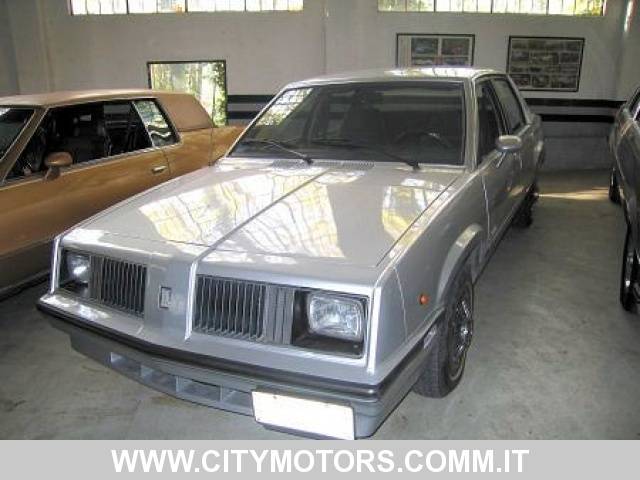
1981 | Oldsmobile Omega
other omega brougham sedan
Create search alert
Let yourself be notified as soon as a listing is published that matches your search filters.
Create listing
Do you have a Oldsmobile Omega that you want to sell? Then create a listing now.
Create listingOldsmobile Omega Classic Cars: Prices & Market Values
History of the Oldsmobile Omega
Oldsmobile introduced the Omega in 1973 as its most budget-friendly offering. Targeted as an entry-level compact, the Omega formed part of the General Motors X-body platform. It helped transition Oldsmobile from its established full-size sedan lineage into the compact class, offering notable brand character at a competitive price. Across its three production generations, the Omega reflected changing tastes and engineering advances in Detroit's approach to practical motoring. The model shares much with its X-body cousins from Chevrolet, Pontiac, and Buick, but stands apart thanks to Oldsmobile's approach to refinement and options.
Model History
The first generation Omega (1973–1974) was essentially an upscale version of the Chevrolet Nova. With the second generation in 1975, Oldsmobile updated the styling and trim, honing its identity within the GM lineup. The most significant transition occurred with the 1975 model year, introducing a hatchback and improved features. The third generation (1980–1984) marked a shift to front-wheel drive, reflecting industry trends towards space efficiency and lighter construction. The Omega thus represents both the evolution of compact car design at GM and the shifting priorities in American automotive design during the 1970s and early 1980s.
Highlights of the Oldsmobile Omega
The Omega was notable for being Oldsmobile’s first foray into compact cars, merging traditional Oldsmobile comfort with the practicality and efficiency required for the era. Buyers appreciated a wide selection of trims, body styles, and powertrains, including the rare hatchback variant. Its relationship to the Chevrolet Nova is often cited by enthusiasts, but the Omega provided additional standard equipment and higher-quality interior finishes, setting it apart from its GM siblings.
Technical Data
Special Editions and Collectible Models
While the Omega was never marketed as a high-performance or limited-edition model, certain models are more desirable today: early V8-powered sedans and coupes, as well as late third generation examples with the rare luxury interior packages, are increasingly sought after by collectors. The hatchback versions from the mid-1970s also stand out due to their rarity.
Weak Spots and Common Issues
No specific known weaknesses have been officially documented for the Omega, but as with many X-body GM vehicles from this era, rust can be a significant issue, particularly in floor pans, sills, and wheel arches. Electrical gremlins and aging interior fittings may also challenge owners, especially in later front-wheel drive examples. Engine and transmission parts are generally robust and benefit from GM's widely available component supply.
Engine and Performance, Transmission and Handling
Performance ranged from modest to adequate, depending on the year and engine configuration. Early models with the available 350 cu in (5.7 L) V8 provided respectable acceleration for a compact of its time, while later four-cylinder and V6 powerplants prioritised fuel economy, especially during the years marked by rising fuel prices. The switch to front-wheel drive in the third generation altered handling dynamics, offering improved traction and space efficiency. Manual and automatic transmissions were offered across all generations; the handling is best described as comfort-biased rather than overtly sporting. Especially noteworthy are the rear-wheel drive V8 Omegas of the 1970s and hatchback models, both for their comparative rarity and for providing a driving experience that bridges traditional American cruising and the compact class feel of the era.
Interior, Comfort, Exterior and Design
The Omega fused Oldsmobile’s comfort focus with compact proportions. Interiors featured upgraded trim materials compared to its platform siblings, such as better seat fabrics and more elaborate dashboard designs. Optional extras included bucket seats, sport steering wheels, and luxury sound systems – rare finds in contemporary compacts. Externally, the Omega distinguished itself with unique grille treatments, wheel designs, and badgework. Attractive special colours and vinyl roof options were also available, especially during the 1970s, allowing for further customisation.
Other Relevant Features
Increasingly, the Omega enjoys modest recognition in classic car circles for its role as a practical introduction to American compact car collecting, especially for those seeking a different experience from more mainstream Chevrolets or Pontiacs.
Summary
The Oldsmobile Omega holds a distinctive position in Oldsmobile’s history, representing its shift into the compact car market. With unique styling flourishes, a variety of powertrains and body styles, and Oldsmobile’s traditional emphasis on comfort, the Omega is especially attractive for enthusiasts seeking an affordable entry from this storied American marque.