- Car
- Oldsmobile
- Oldsmobile Model R (1 offer)
Oldsmobile Model R Curved Dash Oldtimer kaufen
The Oldsmobile Model R, better known as the Curved Dash Oldsmobile, stands as a milestone in automotive history—not only as Oldsmobile's pioneering model but also as the first mass-produced automobile using an assembly line and interchangeable parts. Its simple engineering, reliability, and strikingly recognisable curved dashboard still make it a sought-after piece for events like the London to Brighton Veteran Car Run.
Search results
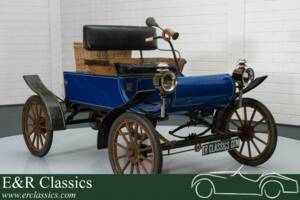
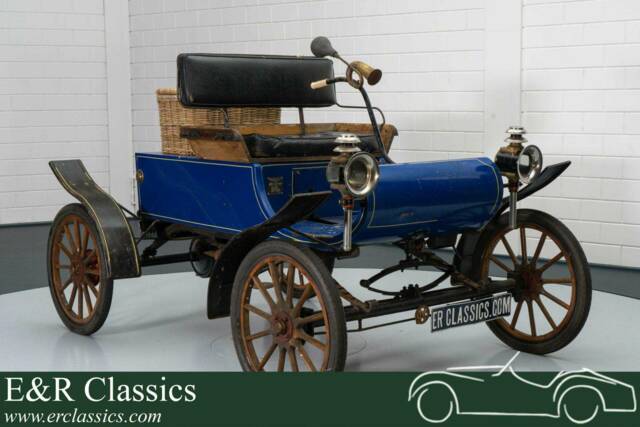
1958 | Oldsmobile Model R
Oldsmobile

Oldsmobile Model R listing references from Classic Trader
Below you will find listings related to your search that are no longer available on Classic Trader. Use this information to gain insight into availability, value trends, and current pricing for a "Oldsmobile Model R" to make a more informed purchasing decision.
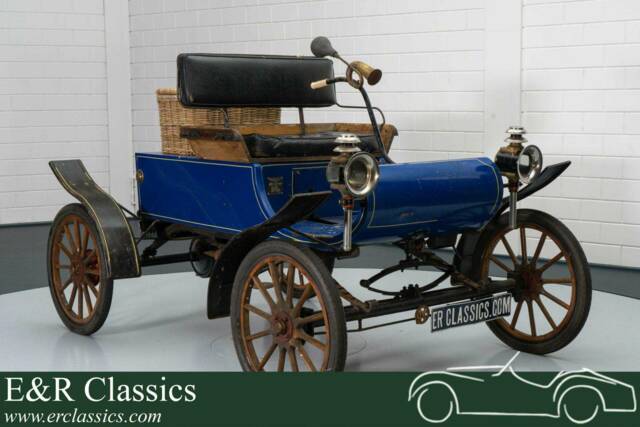
1958 | Oldsmobile Model R
Oldsmobile
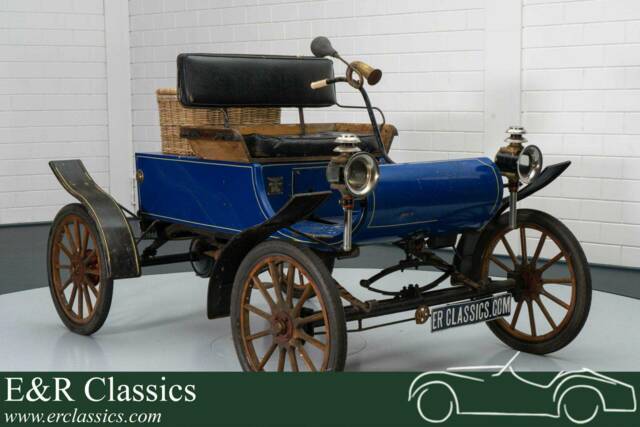
1958 | Oldsmobile Model R
Oldsmobile Curved Dash Replica | Unieke verschijning
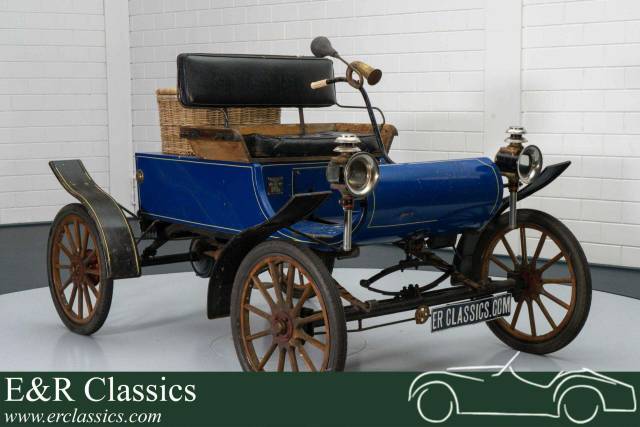
1958 | Oldsmobile Model R
Oldsmobile Curved Dash Replica Zeldzaam| Unieke verschijning
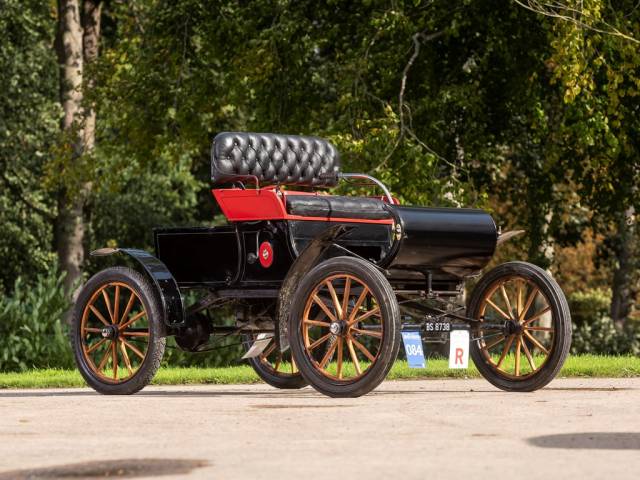
1902 | Oldsmobile Model R
1902 Oldsmobile Model R 'Curved-Dash' Runabout

Oldsmobile Model R Classic Cars: Prices & Market Values
History of the Oldsmobile Model R
Introduced in 1901, the Oldsmobile Model R marked the dawn of the automotive age. As the first car to be built on a production line with interchangeable parts, it set the benchmark for mass production that would later revolutionise the industry. In its first year, 425 units left the factory, with annual output growing rapidly to 2,500 in 1902 and surpassing 19,000 units altogether by 1907. Behind this success was not only innovation, but a focus on robust design and affordability, which positioned the Model R as an accessible vehicle for the public. Even after General Motors took over Oldsmobile operations in 1908, the legacy of the Model R lived on through its successors, notably the Model 20.
Model Series History
The Model R was the successor to earlier experimental Oldsmobile vehicles and paved the way for the brand’s future models. Beneath its fame as the 'Curved Dash', production ran from 1901 until 1907, after which the Model 20—mechanically based on the Buick Model 10 but with distinct features—continued Oldsmobile’s assembly line tradition. No direct predecessor reached serial production at scale, while all subsequent Oldsmobile models would draw upon the innovative assembly and design standards set by the Model R.
Highlights of the Oldsmobile Model R
Unmistakable for its sweeping dashboard, the Model R set itself apart both technically and visually. Key highlights include a water-cooled, horizontally mounted single-cylinder engine with 95 cubic inches (around 1,550cc) displacing roughly 5 HP, and a vehicle weight of just 385 kg. The transmission featured two forward gears and a reverse, and braking was provided by a system integrated in the differential from 1902 onward. Gravity carburetor and chain drive further define its unique engineering package.
This no-frills, immediately recognisable vehicle gained a stellar reputation for reliability and cost-effectiveness, making it popular not only in its day but also with modern-day vintage rally enthusiasts.
Technical Data
Special Editions and Collectible Models
Among various Curved Dash Oldsmobile vehicles built between 1901–1907, year-on-year improvements such as the adoption of a gravity carburetor and different braking systems mark out earlier and later production runs. However, there were no strictly designated 'special editions'—the collectible value centres rather on production year and specific design evolutions, such as 1902’s differential brake addition.
Engine, Transmission and Handling
The Model R’s 1,550cc single-cylinder engine, rated at about 5 horsepower, ensures a steady pace associated with very early motorised transport. Its lightweight construction (385 kg) and simple chain drive help it handle modest inclines, and the tiller steering provides direct feedback, if not precision. With leaf spring suspension and solid axles, ride comfort on early 20th-century roads was basic but trustworthy. The rear axle’s differential brake, introduced from 1902, improves stopping power compared to initial builds. The Model R remains suited for veteran car rallies and is robust within the constraints of its time's engineering. The Model R (Curved Dash) itself is the only significant model with this drivetrain and layout, representing all entries for this manufacturer code in current and historical supply data.
Interior, Comfort, Exterior and Design
The Model R features a minimalist but effective body defined by the curved wooden dash—a hallmark in both looks and nomenclature. Seating is basic; the open carriage layout is furnished with simpleen upholstery atop a robust wooden frame. Controls are managed with a tiller, rather than a steering wheel, reinforcing the period character. Black paint and wooden or simple metal panelwork complete the functional, striking profile. Factory options and special equipment were rare; the car’s appeal lies in its mechanical purity and easily recognisable curved dashboard.
Other Notable Aspects
Events such as the London to Brighton Veteran Car Run frequently welcome the Oldsmobile Model R, underlining its useability in classic motoring events as well as its historical status. Its simplicity, combined with accessible spares and robust engineering, reinforces its practicality among eligible veteran cars.
Summary
The Oldsmobile Model R Curved Dash occupies a unique place as the world's first mass-produced automobile, blending early 20th-century engineering ingenuity with practicality and recognisable design. Responsible for launching the assembly line era, the Model R’s technological simplicity and historical impact continue to make it a highlight at veteran car rallies and among collectors appreciating the origins of industrial mass production.