- Automobile
- Oldsmobile
- Oldsmobile Model B (0 offerte)
Oldsmobile Model B classic cars for sale
The Oldsmobile Model B, often referred to as the Curved Dash, marked a significant step in automotive engineering as the first mass-produced automobile using assembly line techniques and interchangeable parts. Built between 1901 and 1907, it laid the foundation for what would become one of the most influential manufacturing processes in the industry.
Risultati della ricerca
Attualmente non ci sono annunci corrispondenti alla tua ricerca.
Create search alert
Let yourself be notified as soon as a listing is published that matches your search filters.
Create listing
Do you have a Oldsmobile Model B that you want to sell? Then create a listing now.
Create listingOldsmobile Model B listing references from Classic Trader
Below you will find listings related to your search that are no longer available on Classic Trader. Use this information to gain insight into availability, value trends, and current pricing for a "Oldsmobile Model B" to make a more informed purchasing decision.
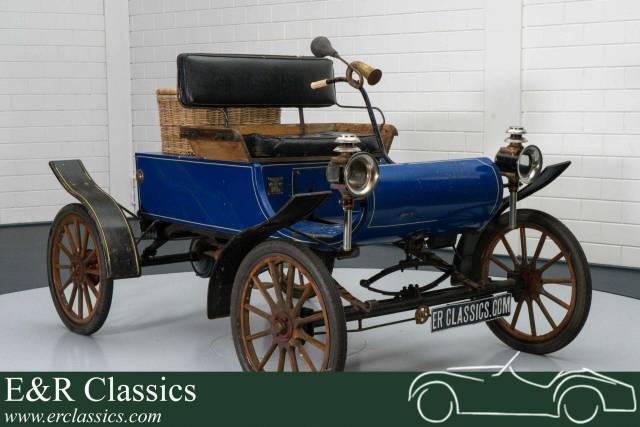
1958 | Oldsmobile Model B
Oldsmobile Curved Dash Replica| Zeldzaam|Unieke verschijning
Create search alert
Let yourself be notified as soon as a listing is published that matches your search filters.
Create listing
Do you have a Oldsmobile Model B that you want to sell? Then create a listing now.
Create listingOldsmobile Model B Classic Cars: Prices & Market Values
History of the Oldsmobile Model B
The Oldsmobile Model B, known widely as the Curved Dash, revolutionised early motoring. Its production began in 1901, a time when most automobiles were still being hand-built. The hallmark of the Model B was its adoption of assembly line production and the use of interchangeable components—years ahead of the industry norm. By 1902, Oldsmobile had dramatically increased output to 2,500 vehicles, and ultimately produced more than 19,000 units before production ended in 1907. This pioneering model saw Oldsmobile, under the direction of Ransom E. Olds, cement its place at the forefront of automotive manufacturing innovation.
Model History
The Model B followed Oldsmobile's earliest experimental prototypes and established a template for future models, both in design and assembly methodology. Successor models, such as the Oldsmobile Model 20 (based on the 1908 Buick Model 10), advanced the company's technological focus but retained the ethos of accessible mechanisation and production efficiency set by the Model B. When General Motors took over in 1908, the foundations laid by the Model B enabled smoother transitions into subsequent, more advanced models.
Highlights and Unique Features
The Curved Dash Model B stands apart as the first automobile produced at scale using assembly-line methods, setting the standard for mass production in the automotive world. Its simplistic, practical design and reliability made personal motorised transport attainable for a new buying public at the turn of the 20th century.
Technical Data
Special Editions and Collectibles
No documented factory special editions of the Oldsmobile Model B exist, as production was focused on standardisation. Notably, any surviving examples with original features or fully restored to authentic specifications are often considered highly significant among early motoring enthusiasts.
Weak Spots and Common Issues
With more than a century of history, any existing Model B will require careful attention to mechanical wear, wood-frame integrity, and period-correct restoration work. Sourcing replacement parts can be challenging due to the age and rarity, although the original use of interchangeable components may offer some advantages for those committed to authentic restoration.
Engine, Performance and Handling
The single-cylinder engine in the Oldsmobile Model B delivers modest power, yet excels in simplicity, reliability, and ease of repair. The vehicle's lightweight construction offers gentle handling but expect limited speed and braking performance by modern standards—this is a car focused on rugged reliability, not outright performance. Among early Oldsmobiles, the Model B Curved Dash remains the most recognisable, with buyers often attracted to its straightforward engineering and historical relevance. Key technical details, such as the layout of the tiller steering and planetary transmission, have contributed to its long-standing reputation.
Design, Comfort and Accessories
The hallmark of the Model B's design is its distinctive curved dashboard—a visual signature that gave the model its popular name. The body was mounted on a wooden chassis, with exposed controls and minimal protection from the elements, making for an authentic turn-of-the-century motoring experience. Interior comfort was limited, reflecting the utilitarian focus of early car design. Period-correct accessories may include oil lamps and simple toolkits, while body colour was typically a utilitarian black or dark green.
Other Features
Some surviving Model B examples have their provenance documented back to the earliest days of motoring, occasionally with fascinating stories of early ownership and participation in historic events or parades. The simple mechanics and iconic silhouette have also led to the car featuring in numerous museum exhibits and historical motoring displays.
Summary
The Oldsmobile Model B Curved Dash stands as a testament to early automotive innovation, highlighting key advances in manufacturing and accessibility. Its singular place in Oldsmobile history ensures that it remains a centrepiece in any collection of early motor vehicles.