- Car
- Oldsmobile
- Oldsmobile Model 6C (0 offers)
Oldsmobile Model 6C classic cars for sale
The Oldsmobile Model 6C, also known as the Curved Dash, is regarded as the pioneering mass-produced automobile. Manufactured from 1901, this runabout was the result of innovative assembly methods and a bold step in automotive engineering. Its unique design, historical value, and robust engineering make it a fascinating chapter in early motoring history.
Search results
Currently, there are no matching listings for your search.
Create search alert
Let yourself be notified as soon as a listing is published that matches your search filters.
Create listing
Do you have a Oldsmobile Model 6C that you want to sell? Then create a listing now.
Create listingOldsmobile Model 6C listing references from Classic Trader
Below you will find listings related to your search that are no longer available on Classic Trader. Use this information to gain insight into availability, value trends, and current pricing for a "Oldsmobile Model 6C" to make a more informed purchasing decision.
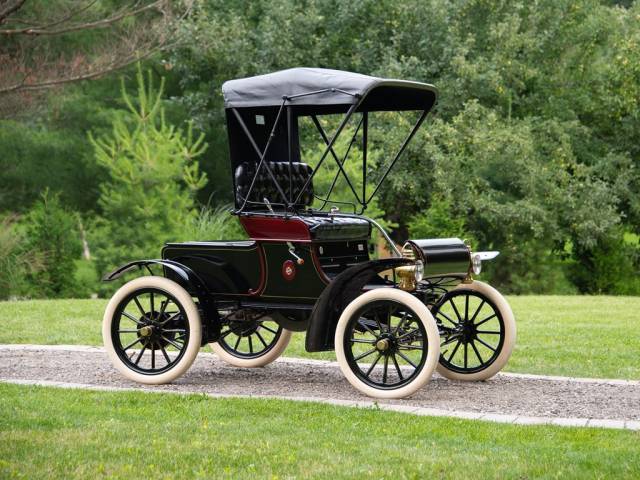
1904 | Oldsmobile Model 6C
1904 Oldsmobile Model 6C 'Curved-Dash' Runabout

Create search alert
Let yourself be notified as soon as a listing is published that matches your search filters.
Create listing
Do you have a Oldsmobile Model 6C that you want to sell? Then create a listing now.
Create listingOldsmobile Model 6C Classic Cars: Prices & Market Values
Introduction and history of Oldsmobile Model 6C
The Oldsmobile Model 6C, more widely recognised under the name 'Curved Dash', marks a turning point in automotive history. Launched in 1901, it became the world's first car assembled on a form of production line—though with moving workers rather than a moving belt, as introduced later by Ford. Around 19,000 units were built during its production run, a remarkable figure considering the era. The 6C was perfectly adapted to the needs of the early 20th-century city dweller: compact, reliable, and easy to use. Its layout—reminiscent of a horseless carriage—made it accessible for those transitioning from traditional to motorised transport. Marked by brass trim, a distinctive horn bulb, and white-tyred wooden artillery wheels, the Model 6C quickly grew to fame beyond the US, solidifying Oldsmobile's reputation as a technological leader.
Model history
The Model 6C was introduced to expand upon the success of Oldsmobile's original Curved Dash (Model R). The 6C, beginning in 1904, featured numerous upgrades such as increased engine output, broadened body dimensions, and refined braking. It remained at the forefront of Oldsmobile’s range until General Motors' acquisition, after which Oldsmobile would proceed with the Model 20—an evolution based on Buick's Model 10 but with Oldsmobile-specific design touches. The lineage continued with steady advances throughout the 1910s, but the Curved Dash 6C remains the most influential due to its production method and broad appeal.
Highlights of Oldsmobile Model 6C
- First mass-produced automobile utilising an assembly system with standardised, interchangeable parts
- Runabout body designed for urban use, offering seating for two
- Direct steering via tiller, with immediate response thanks to direct linkage
- Horizontal single-cylinder engine developing 7 horsepower
- Transmission via two-speed manual with chain final drive
- Notable upgrades during production: enlarged body, more powerful engine, additional rear brakes
- Wooden body and artillery wheels, historically correct black and carmine red livery with gold pinstriping
- Diamond-tufted black leather interior, brass embellishments, and period horn
- Culturally significant: immortalised in the 1905 song “In My Merry Oldsmobile” and seen frequently at major historic rallies
- Continues to benefit from comprehensive documentation and enthusiast club support
- Well represented at classic rallies, especially the London to Brighton Veteran Car Run
Technical data
Special Editions and Collectible Models
Within the Model 6C series, limited production variants included specific trim details such as bespoke brass fitments or dealer-ordered paintwork, but primary collectability is linked to originality and period-correct specification. Historic provenance (such as documented participation in early rallies) also marks certain examples as particularly notable within the collector community.
Weak Spots and Common Issues
Due to the absence of advanced technology, most mechanical issues relate to age-induced wear—especially ignition and fuel system components. Deterioration of wooden bodywork and wheels requires regular inspection and specialist restoration knowledge. Chain drive and manual brakes demand continual care, and period-correct parts are rarely available off the shelf, necessitating custom fabrication or expert sourcing. Leather upholstery and paintwork can degrade over time, requiring high-level restoration to retain historical value.
Engine and Performance, Transmission and Handling
The Model 6C’s single-cylinder engine delivers 7 hp through a direct, chain-driven rear axle. Top speeds reach up to 30 km/h, more than sufficient for early 20th-century roads. With its manual two-speed transmission, the 6C delivers a straightforward, tactile motoring experience. Direct tiller steering and wooden suspension units demand careful road selection and attentive handling, making each drive an immersive event. Braking relied initially on the transmission, with later models gaining supplemental rear brakes for enhanced security. The Curved Dash Model 6C remains the standout variant, recognised for its role in mass production and historic urban motoring.
Interior, Comfort, Exterior and design
The 6C’s appearance closely follows turn-of-the-century carriage design: a ‘runabout’ silhouette, open sides, and a high driving position. Noteworthy details include the black and carmine red paint scheme, gold pinstriping, and extensive use of brass hardware. The diamond-tufted leather bench exemplifies period luxury, while the hand-operated horn and tiller steering further evoke the era. Accessories were few but included options like bespoke brass lamps and custom carpets. White rubber tyres on wooden spoked wheels cement the car’s antique flavour. Rare variants feature dealer-ordered features, but authentic period restoration remains most desirable among collectors.
Other relevant features
Participation in events such as the London to Brighton Veteran Car Run is typical for well-preserved 6Cs. The model benefits from a strong network of restoration experts, clubs, and archives, making period-accurate upkeep feasible. The ‘Curved Dash’ enjoys widespread recognition, particularly in reference collections and veteran motoring events.
Summary
The Oldsmobile Model 6C stands out as an engineering and cultural milestone, introducing modern assembly methods and shaping early motoring routines. Its well-documented production numbers, distinct single-cylinder engineering, and instantly recognisable silhouette make it a favourite for events, restoration, and historic display. With dedicated club support and a robust presence at major rallies, it secures a prominent place in classic automotive history.