NSU-Fiat 500 Classic Cars for Sale
The NSU-Fiat 500 impresses enthusiasts with its compact engineering and characterful design. Produced primarily in the 1930s to 1950s, it is renowned for technical innovation such as its water-cooled inline-four engine and distinctive body styles, including saloon and estate versions. With reliable parts supply and easy restoration options, the NSU-Fiat 500 offers a unique glimpse into early urban motoring and remains a favourite among classic small car collectors.
Search results
Currently, there are no matching listings for your search.
Create search alert
Let yourself be notified as soon as a listing is published that matches your search filters.
Create listing
Do you have a NSU-Fiat 500 that you want to sell? Then create a listing now.
Create listingNSU-Fiat 500 listing references from Classic Trader
Below you will find listings related to your search that are no longer available on Classic Trader. Use this information to gain insight into availability, value trends, and current pricing for a "NSU-Fiat 500" to make a more informed purchasing decision.
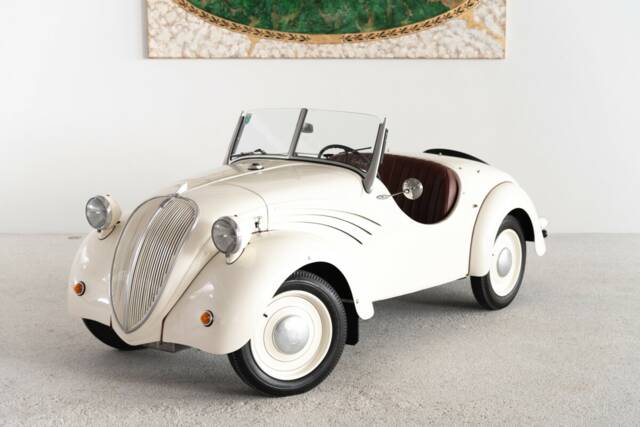
1940 | NSU-Fiat 500 A Topolino Weinsberg
NSU-Fiat Weinsberg Spider

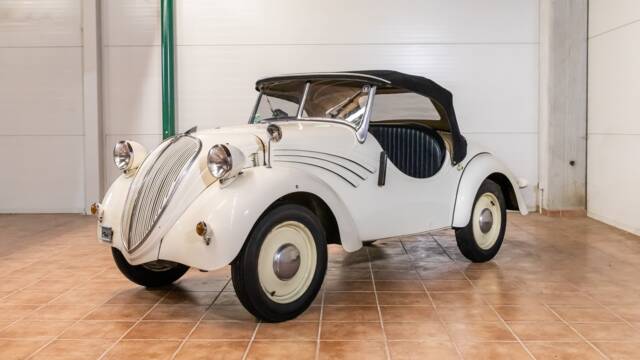
1939 | NSU-Fiat 500 A Topolino Weinsberg
Rare special edition of the popular pre-war small car

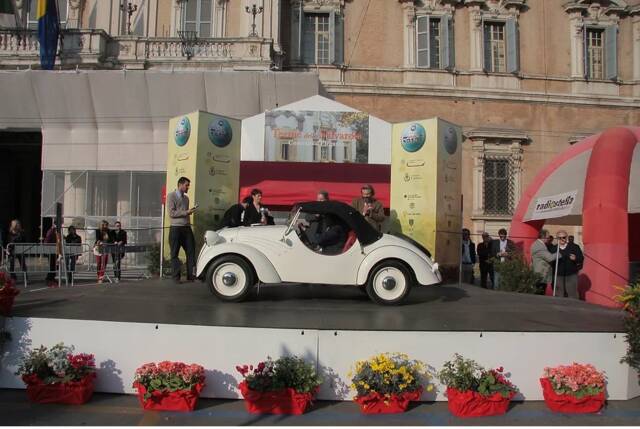
1939 | NSU-Fiat 500 A Topolino Weinsberg
Perfetta, premiata al Concorso d'eleganza di Salvarola Terme, Matching Numbers

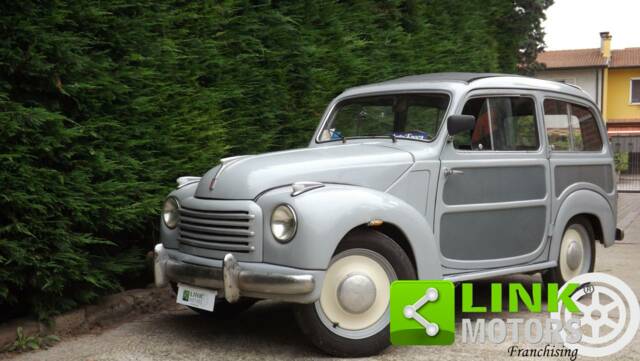
1954 | NSU-Fiat 500 C Belvedere
FIAT 500C Belvedere anno 1954 targa e libretto originali
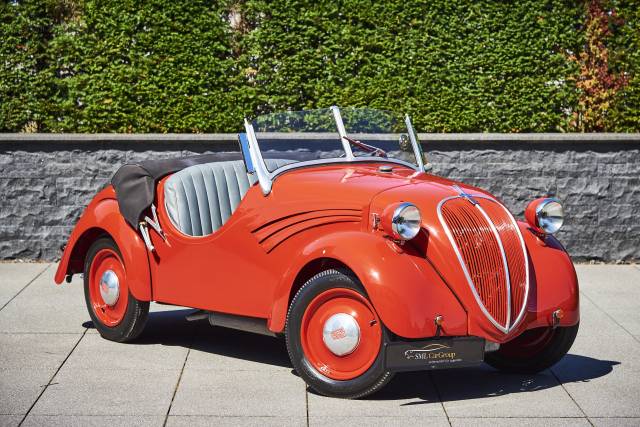
1939 | NSU-Fiat 500 A Topolino Weinsberg
Komplettrestauration / Gutachten Note 1- / Fahrbereit
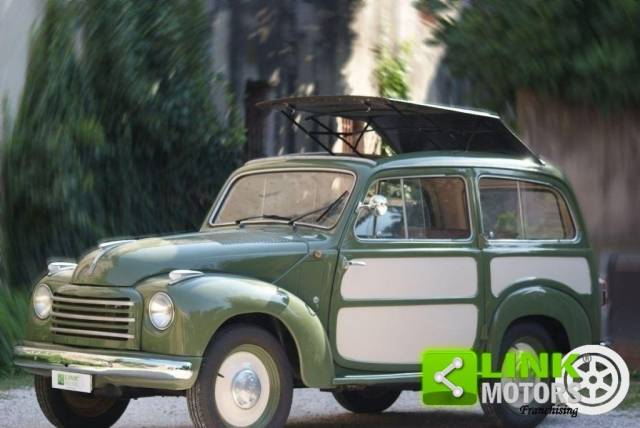
1953 | NSU-Fiat 500 C Belvedere
FIAT 500C Belvedere iscritta ASI ben conservata
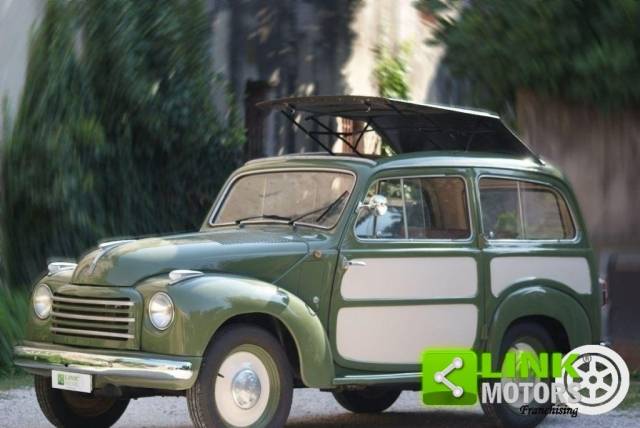
1953 | NSU-Fiat 500 C Belvedere
FIAT 500C Belvedere iscritta ASI ben conservata
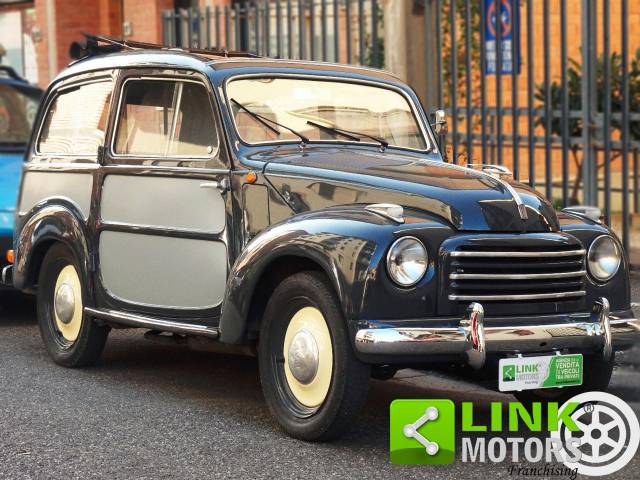
1953 | NSU-Fiat 500 C Belvedere
FIAT 500C TOPOLINO
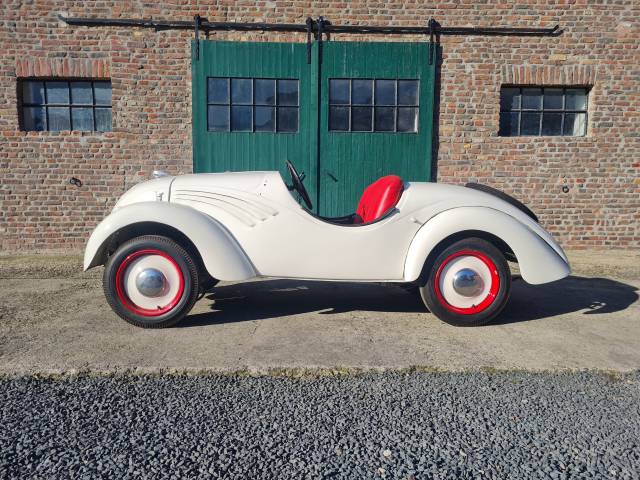
1938 | NSU-Fiat 500 A Topolino Weinsberg
Fiat Topolino Weinsberg Roadster NSU-Fiat 500 Spider
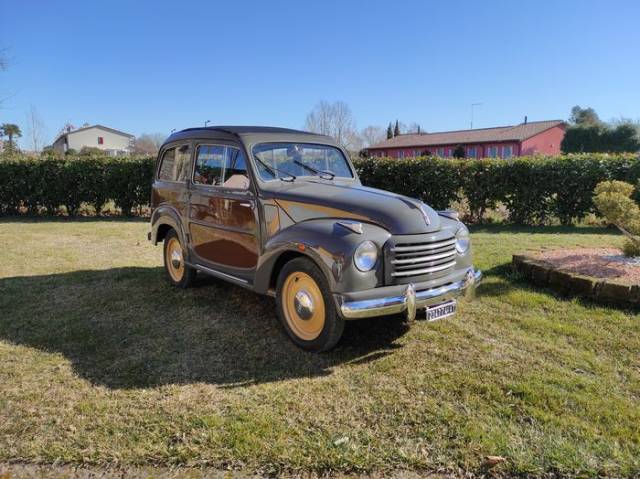
1957 | NSU-Fiat 500 C Belvedere

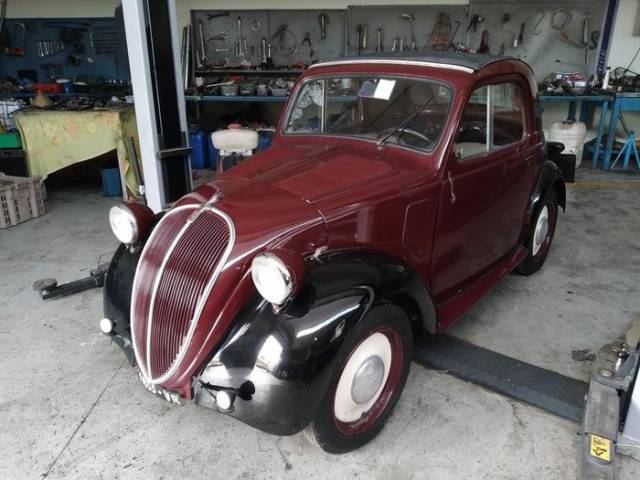
1939 | NSU-Fiat 500 A Topolino Weinsberg
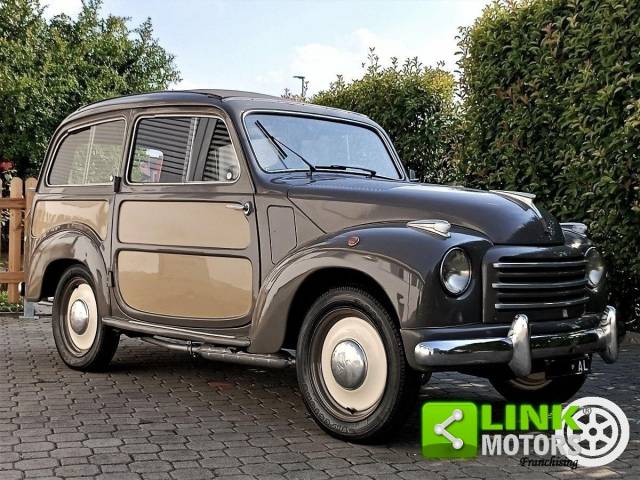
1953 | NSU-Fiat 500 C Belvedere
FIAT 500 C Belvedere
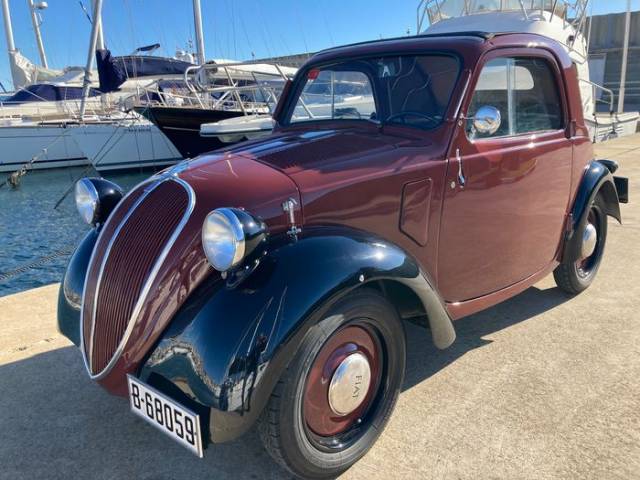
1939 | NSU-Fiat 500 A Topolino Weinsberg
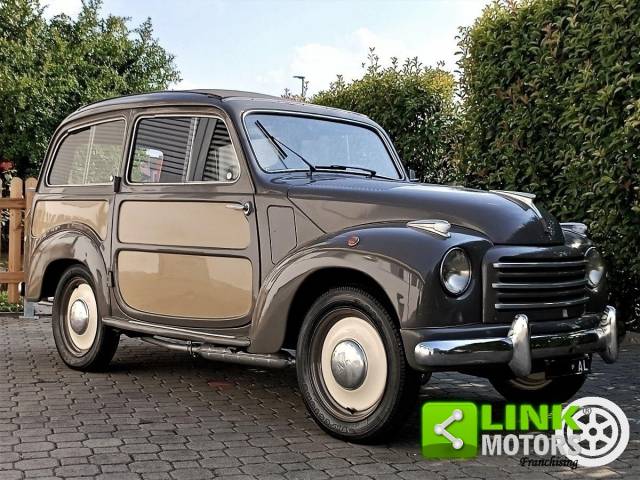
1953 | NSU-Fiat 500 C Belvedere
Fiat 500 C Belvedere
Create search alert
Let yourself be notified as soon as a listing is published that matches your search filters.
Create listing
Do you have a NSU-Fiat 500 that you want to sell? Then create a listing now.
Create listingNSU-Fiat 500 Classic Cars: Prices & Market Values
History of the NSU-Fiat 500
The NSU-Fiat 500 emerged from a partnership between Fiat and NSU, tailored for the European market's growing demand for agile, economical urban vehicles. Production started in the late 1930s, notably under names like Fiat 500 A Topolino and later as Fiat 500 C Belvedere. Built in German and Italian plants, the range capitalised on NSU’s assembly capability and Fiat’s technical blueprints. The Topolino—Italian for 'little mouse'—represented the engineering drive for motoring accessibility before and after the Second World War. Its robust layout, innovative water cooling and distinctive front-engine design secured its reputation as a landmark in compact car manufacturing.
Model History
The NSU-Fiat 500 was introduced as a response to Europe’s need for affordable mobility. The series began with the 500 A Topolino in 1936, followed by improvements in the 500 B, and evolved into the 500 C Belvedere estate, distinguished by practical modifications such as the switch from timber-framed to all-steel bodywork. The NSU-Fiat 500 remained closely linked to its Italian Fiat counterpart in mechanical design and style. Its compact proportions and nimble handling influenced subsequent generations of small cars, bridging the gap between the pre-war motoring era and the more streamlined post-war models.
Highlights of the NSU-Fiat 500
A strong attribute of the NSU-Fiat 500 lies in its advanced use of materials and compact engineering. The water-cooled, longitudinally mounted inline-four engine, combined with a four-speed manual gearbox, delivers practical urban agility. Uncommon at the time was the use of independent front suspension, drum brakes on all wheels and a choice between cabriolet and saloon variants. Later estate Belvedere models added versatility with their innovative bodystyle transition from wood to steel panels.
Technical Data
Special Editions and Collectible Models
The Fiat 500 C Belvedere stands out as the prominent estate version within the NSU-Fiat 500 range. Initially crafted with wooden side panels ("woody" look), subsequent models shifted to robust steel bodyshells, significantly improving durability. These estate variants, favoured for their versatility and increased practicality, are especially notable amongst collectors seeking pre-war and early post-war small estates with authentic character.
Weak Spots and Common Issues
Owners should monitor for wear in the sidevalve engine’s bottom end, especially since the crankshaft runs in just two main bearings. Watch for water pump and cooling system leaks, and ensure regular checks for play in front suspension bushes or hydraulic lever shock absorbers. Corrosion is a known vulnerability, particularly in early wooden-framed Belvederes and the lower steel sills of all versions. Many examples have been fitted with upgraded electrical systems or reconditioned engines—valuable for reliability but best checked for professional execution.
Engine and Performance, Transmission and Handling
The NSU-Fiat 500’s 567 cm³ sidevalve four-cylinder engine delivers steady torque for its class; 13 hp grants easy city and secondary road driving, though top speed is modest by modern standards. The four-speed transmission, with synchronised upper gears, marks a step forward in usability. Rear-wheel drive delivers predictable handling traits, while hydraulic lever dampers and full-width leaf springs underpin the ride. Drum brakes offer sufficient deceleration for the car’s weight, but require regular setting for optimal performance. Notably, the 500 A Topolino—initial 1939 production run—and the 500 C Belvedere estate are regularly highlighted, both for their period engineering and historically-significant body configurations.
Interior, Comfort, Exterior and Design
The NSU-Fiat 500 offered originality in interior and exterior finish, with many examples retaining period-correct upholstery, door cards and rubber mats. As produced by Fiat, regular updates saw brighter paint finishes, decorative trim, and variable cabin layouts to accommodate limited passenger or cargo needs. The switch to metal-side panels in estate Belvederes from wood signified a technical as well as a design improvement in robustness and finish. Although basic by post-war standards, the NSU-Fiat 500’s charm lies in its compact proportions, clear instrumentation and period-appropriate details. Custom accessories often include period fog lamps, roof racks, or rotary ventilation options.
Other Relevant Features
Restoration remains straightforward, thanks to excellent availability of Fiat original spare parts and parts compatibility with equivalent Italian models. Common upgrades include the installation of electric cooling fans and replacement water pumps for improved reliability. Most surviving NSU-Fiat 500s are documented with Italian or Spanish registration papers. Classic plates or historic registrations are common for drivable survivors, emphasising their continued use in European classic motoring events.
Summary
The NSU-Fiat 500 stands as a milestone in compact car development, joining practical engineering with timeless design features. Easy to restore and maintain with factory parts, it welcomes enthusiasts who value authentic driving sensations. Whether as a two-seater saloon or Belvedere estate, each example provides a rewarding window into the roots of continental urban motoring.