Nash Standard Classic Cars for Sale
The Nash Standard represents American automotive engineering from a period where reliability and solid construction were centrepieces of car manufacturing. With its emphasis on durability, the Nash Standard appeals to enthusiasts looking for originality and robust technology from an often-overlooked chapter of classic car history.
Résultats de la recherche
À l'heure actuelle, il n'y a pas d'annonces correspondant à votre recherche.
Create search alert
Let yourself be notified as soon as a listing is published that matches your search filters.
Create listing
Do you have a Nash Standard that you want to sell? Then create a listing now.
Create listingNash Standard listing references from Classic Trader
Below you will find listings related to your search that are no longer available on Classic Trader. Use this information to gain insight into availability, value trends, and current pricing for a "Nash Standard" to make a more informed purchasing decision.

1929 | Nash Standard Six
Nash im perfekten Zustand
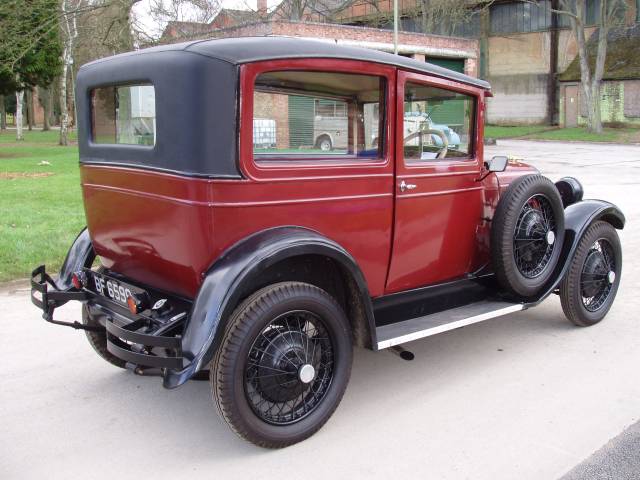
1928 | Nash Standard Six
Create search alert
Let yourself be notified as soon as a listing is published that matches your search filters.
Create listing
Do you have a Nash Standard that you want to sell? Then create a listing now.
Create listingNash Standard Classic Cars: Prices & Market Values
Introduction and history of Nash Standard
Nash introduced the Standard series as part of its commitment to producing accessible, durable cars for a broad customer base. Positioned in the pre-war automobile boom, the Nash Standard played a key role at a time when manufacturers were focused on making motoring available to the wider public. The Standard reflected Nash’s embrace of steel bodywork and in-line engines, aiming to offer reliability without unnecessary frills. Its clear American roots are visible both in design and engineering philosophy: honest, straightforward, and made to last in challenging road conditions typical of the 1920s and 1930s.
Model history
Within Nash’s portfolio, the Standard series fit as an entry-level option, often using proven components from earlier Nash models with updates to suit newer tastes and requirements. Predecessors would include earlier four- and six-cylinder Nash cars, while successors transitioned into more modern Nash vehicles during the company’s postwar consolidation, particularly with the introduction of the Nash 600 and later Rambler lines.
Highlights of the Nash Standard
One of the defining features of the Nash Standard was its robust chassis construction, aimed at the needs of American drivers who demanded dependability. Many Standards incorporated straight-six engines, known for their relative smoothness and economy. The car avoided excessive luxuries to focus on function—a trait that defines the series among collectors and enthusiasts today.
Technical data
Special Editions and Collectible Models
As was common in its class and period, the Nash Standard was produced in various body styles—sedan, coupe, and occasionally open tourers—alongside occasional limited trim upgrades. However, no broad, widely-recognised special editions are documented for this series, reflecting Nash’s focus on reliability and utility over luxury.
Weak Spots and Common Issues
No specific chronic issues for the Nash Standard are noted in available sources, but, as with most prewar cars, attention should be paid to rust in steel panels, wear of mechanical linkages, and the condition of the electrical system, particularly as these vehicles age. Replacement of period-correct parts may be challenging yet essential for maintaining authenticity.
Engine and Performance, Transmission and Handling
Nash Standard models were fitted with engines designed for durability rather than high performance, resulting in calm, predictable on-road behaviour. Early six-cylinder units provided adequate torque, especially for the comparatively lightweight bodies. Manual transmissions were standard, contributing to the mechanical engagement typical of this classic era. Expect leisurely acceleration and unhurried cruising, prioritising reliability over speed. Within the Standard range, the most commonly encountered versions are the sedan and coupe, each balancing practicality with classic proportions. Collectors value well-maintained, original examples that retain period-correct mechanicals and bodywork.
Interior, Comfort, Exterior and Design
The Nash Standard’s exterior is marked by classic boxy lines, practical running boards, and straightforward grille designs—eschewing flashy chrome for painted, durable finishes. Interiors typically use hardwearing leathers or cloth, with understated dashboards reflecting late 1920s/early 1930s sensibilities. Any original accessories or options—such as fitted trunks, mounted spares, and period-correct gauges—are now notable features for collectors. Special paint finishes or two-tone schemes were rare but occasionally available by special order.
Other relevant features
Additional features tied to Nash Standard often relate to their historical value as examples of prewar American motoring. Their simple electrical systems and mechanical layouts make them approachable for dedicated home mechanics, and the scarcity of the model means gatherings often become focal discussions for Nash enthusiasts.
Summary
The Nash Standard is emblematic of the practical, sturdy approach Nash adopted in the prewar years. Hardwearing, understated, and engineered for reliability, it appeals to classic car aficionados who seek a genuine connection to early 20th-century American automobile history. For those willing to navigate the challenges of maintaining a rare classic, the Nash Standard offers a distinctly authentic ownership experience.