Moyer B&E Series classic cars for sale
The Moyer B&E Series is a true rarity from the early automotive era, made in 1913 in Syracuse, New York, and fitted with a 5.3-litre engine similar to the Simplex. Its relatively lightweight build allowed for remarkable performance for cars of its time, often retaining highly original specifications. This is one of the most uncommon vehicles you can find on the market today.
Search results

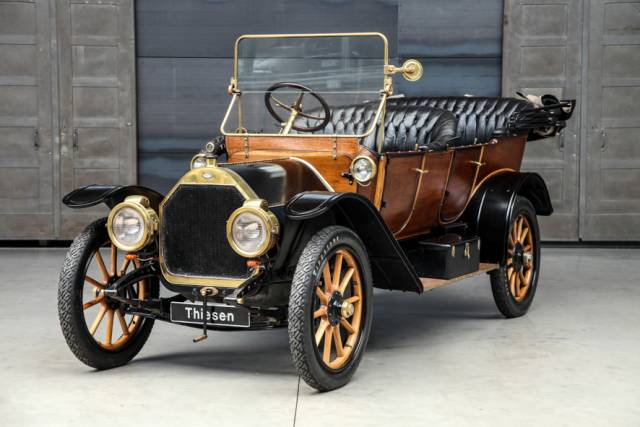
1913 | Moyer B&E Series Touring
Modell B

Moyer B&E Series listing references from Classic Trader
Below you will find listings related to your search that are no longer available on Classic Trader. Use this information to gain insight into availability, value trends, and current pricing for a "Moyer B&E Series" to make a more informed purchasing decision.
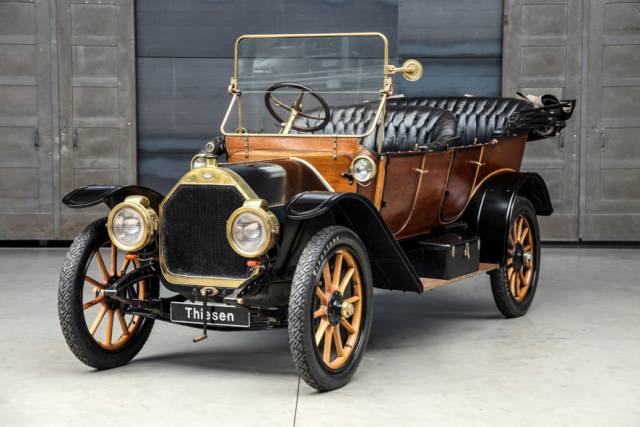
1913 | Moyer B&E Series Touring
Moyer
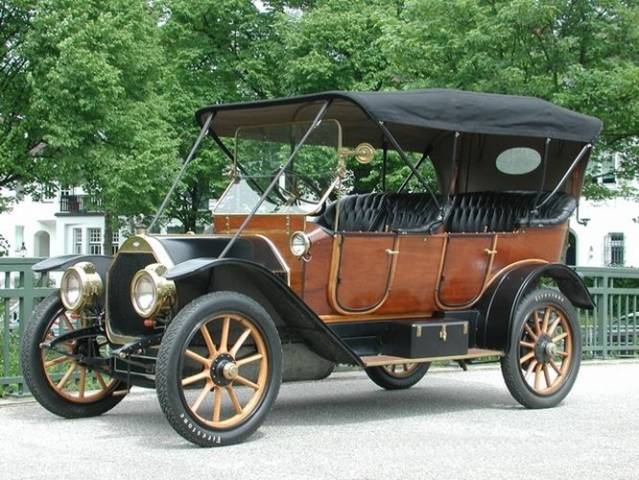
1913 | Moyer B&E Series Touring
Moyer B&E Series Classic Cars: Prices & Market Values
Introduction and history of Moyer B&E Series
Built in 1913 by H.A. Moyer in Syracuse, New York, the Moyer B&E Series stands out as a representative of the transition period in American automotive history. H.A. Moyer, originally a carriage builder, moved to automobile manufacturing as the demand for luxury motorcars grew in the early 20th century. The B&E Series showcased the company’s dedication to crafting exclusive, high-powered vehicles for a discerning clientele with a preference for performance and innovation. The production run was exceedingly limited, making every surviving B&E Series a document of American automotive evolution.
Model history
The Moyer B&E Series followed Moyer's earlier models which were more directly related to the company’s carriage-building heritage. The B&E Series represents the peak of Moyer’s transition into motorcar manufacturing. It shares technical DNA with top contemporary brands, notably incorporating a 5.3-litre engine that parallels the engineering found in Simplex models of the day. No direct successor followed from Moyer, as the company’s automotive activities ceased shortly after this series due to economic pressures and competition.
Highlights of Moyer B&E Series
- Built in 1913, directly associated with H.A. Moyer
- Powerful 5.3-litre engine comparable to the legendary Simplex
- Lightweight construction relative to its class, leading to outstanding performance for the era
- Original soft-top convertible roof was standard
- In most cases, all original parts have been preserved except for the soft top in some examples
- Extremely rare on the classic car market
Statistics indicate:
Technical data
Special Editions and Collectible Models
Due to the extremely limited number of vehicles produced, each individual B&E Series car is effectively unique. Some models may vary by the presence or absence of the original soft-top. However, there are no documented factory special editions beyond these specification variations. Every original-condition example is considered highly notable due to its rarity and preservation status.
Weak Spots and Common Issues
There is no data available on known weak spots or habitual defects for the Moyer B&E Series. However, given the era of manufacture and bespoke character, prospective owners should conduct an in-depth inspection of all technical components, particularly the engine and original roof structures, with special attention to authenticity and the presence of all period-correct elements. Restoration may be costly due to the scarcity of parts.
Engine and Performance, Transmission and Handling
The 5.3-litre engine places the B&E Series among the highest performing luxury vehicles of its time. The relatively light kerb weight for a luxury car from 1913 endowed it with unexpectedly strong acceleration and road performance, especially compared to its contemporaries. The car’s drivetrain was designed for smooth power delivery, while handling benefited from an advanced (for its day) chassis and suspension layout. As all supplied and viewed Moyer vehicles in the current database are B&E Series models, the focus falls entirely on this specification. The engine size and lightweight design remain the headline technical specifics.
Interior, Comfort, Exeterior and design
The B&E Series reflects early 20th-century American elegance, with attention paid to comfort and exterior presentation. Interiors used materials of superior quality for their day – expect robust leather and period-correct instrument panels. The classic soft-top roof was standard. Externally, the bodywork was hand-finished, often in understated dark colours but always tailored for an affluent market. Design features are rooted in carriage-building traditions but balanced by the demands of motorised travel. Equipment levels were determined by customer specification; as such, originality and period accessories should be carefully reviewed on each vehicle.
Other relevant features
Given the extreme scarcity of surviving examples, provenance and documented history become crucial for any collector considering a B&E Series. Each vehicle offers a window into the transition from high-class carriage construction to early luxury motoring in the United States. Accessories and parts are extremely rare, making complete original vehicles objects of research as much as of mechanical passion.
Summary
The Moyer B&E Series is among the rarest finds on the classic car market, reflecting a unique phase in American automotive history. With its 5.3-litre engine, period-correct technology, and limited original production, every example tells a story of craftsmanship and technical ambition. Prospective buyers should expect authenticity, rarity, and the prestige of owning a nearly singular automobile from the dawn of American luxury motoring.