Moskvich 407 classic cars for sale
The Moskvich 407 stands out in the classic car world for its connection to Soviet engineering and its distinct design traits from the late 1950s and early 1960s. Buyers appreciate its robust layout, unique urban driving feel, and the historical value it brings from the post-war automotive industry. The Moskvich 407 offers an intriguing alternative for enthusiasts looking beyond Western European classics.
Search results
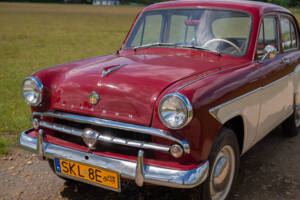
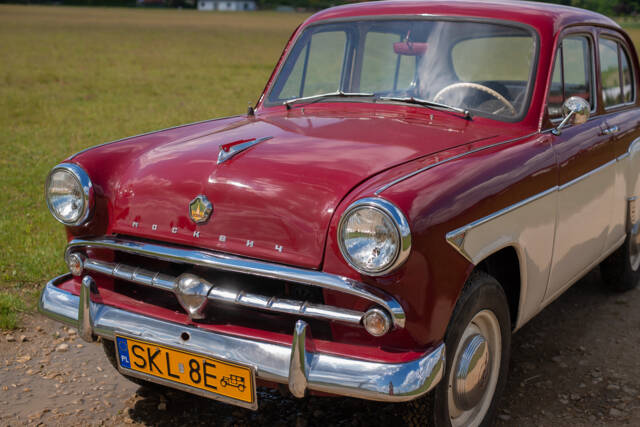
1959 | Moskvich 407
MOSKWICZ 407
VAT is reclaimable

Moskvich 407 listing references from Classic Trader
Below you will find listings related to your search that are no longer available on Classic Trader. Use this information to gain insight into availability, value trends, and current pricing for a "Moskvich 407" to make a more informed purchasing decision.
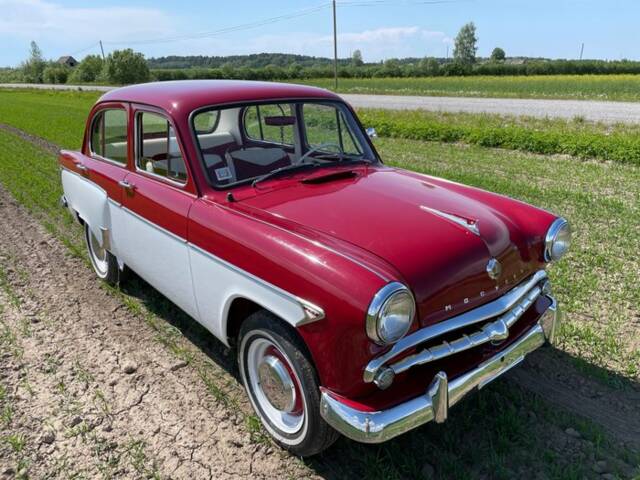
1960 | Moskvich 407
MZMA Moskvich - 407 - 1960

Moskvich 407 Classic Cars: Prices & Market Values
History of the Moskvich 407
The Moskvich 407 marks an important chapter in Soviet automotive history. Introduced in the late 1950s as an evolution of the earlier Moskvich 402, the 407 quickly became popular in the Eastern Bloc for its reliability in varied driving conditions and its relatively modern features. Produced by MZMA in Moscow, the 407 saw export success, reaching buyers in both the USSR and select countries in Western Europe. Its introduction represented the Soviet Union’s effort to keep pace with Western automotive trends, incorporating technical advancements and smoother design language.
Model history
The Moskvich 407 directly followed the 402 series, building on its increased comfort, independent suspension, and overall sturdier build. The main improvement over the 402 was the introduction of a new overhead valve (OHV) engine, which offered better performance and fuel efficiency. Over time, the 407 also inspired further development, eventually giving way to successors such as the Moskvich 408, which continued to modernise the line with larger bodies and more powerful engines.
Highlights of the Moskvich 407
The Moskvich 407 is notable for integrating a 12-volt electrical system at a time when many competitors were still using 6 volts, resulting in more reliable electrical components. The advancement in suspension technology—moving to independent double wishbone suspension with telescopic shock absorbers—allowed for improved comfort and stability on rough Soviet roads. Standard features like a built-in heater and car radio were rare among competitors in its class during its introduction.
Technical data
Special Editions and Collectible Models
No verified information regarding special editions or collectible variants of the Moskvich 407 was found in the provided sources.
Weak Spots and Common Issues
No specific information on recurring technical issues or known weaknesses for the Moskvich 407 is available from the supplied data. Prospective buyers should focus on general automotive maintenance for vehicles of this age: regular inspection of the suspension, electrics, and bodywork is advised, especially due to the model’s Soviet-era engineering standards.
Engine and Performance, Transmission and Handling
The 407 was distinguished by its overhead valve engine with improved fuel efficiency and slightly higher output than its predecessor. Its independent suspension and telescopic shock absorbers offered significant comfort improvements for its time, especially considering road conditions in the Soviet Union. The car’s gearbox and transmission are robust, designed to withstand heavy use and less-than-ideal road maintenance. The single most common model under the Moskvich make found in Classic Trader inventory is the 407, featuring the OHV engine and double wishbone front suspension—technological steps forward in the segment at the time.
Interior, Comfort, Exterior and Design
The Moskvich 407 embraced a utilitarian design inspired by trends of the late 1950s, with a practical yet visually distinctive profile. Key design features include its streamlined body, integrated trunk, and wide viewing angles for the driver—traits which marked a departure from the boxier, post-war automobile styles. Special equipment—such as the standard heater and radio—set the 407 apart from many Western European competitors in its segment. Interior materials and paint finishes varied by region but typically leaned towards durability and ease of maintenance.
Other relevant features
The Moskvich 407 is known for its adaptability and reliability in a range of climates, from harsh winters to hot summers, reflecting its Soviet origins. Parts can be less accessible outside Eastern Europe but the simplicity of its mechanics often allows for creative restoration solutions.
Summary
The Moskvich 407 distinguishes itself as the defining classic model under the Moskvich marque in the current classic car market. Its technical improvements, focus on comfort, and unique historical background give it a particular appeal for enthusiasts seeking a genuine artifact of Soviet-era motoring history.