Morris Six classic cars for sale
The Morris Six is recognised as the marque's first post-war six-cylinder car, combining post-1945 engineering with characteristic British comfort and style. Produced between 1948 and 1953, the Six highlights a period of innovation at Morris Motors, offering an insight into the transition of British motoring after World War II.
Suchergebnisse
Zur Zeit sind keine passenden Inserate zu Ihrer Suche veröffentlicht.
Create search alert
Let yourself be notified as soon as a listing is published that matches your search filters.
Create listing
Do you have a Morris Six that you want to sell? Then create a listing now.
Create listingMorris Six listing references from Classic Trader
Below you will find listings related to your search that are no longer available on Classic Trader. Use this information to gain insight into availability, value trends, and current pricing for a "Morris Six" to make a more informed purchasing decision.
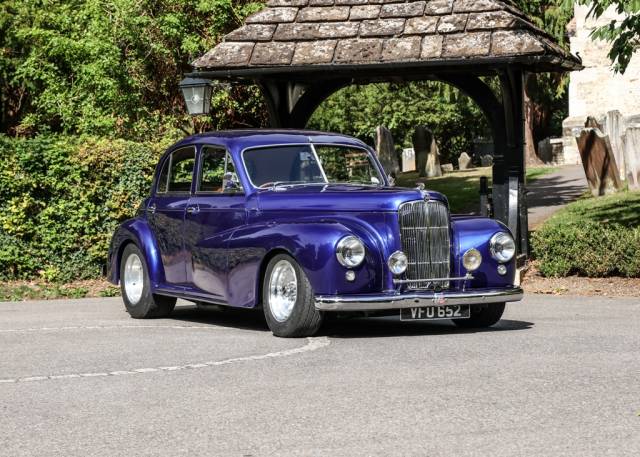
1949 | Morris Six MS
Morris Six MS
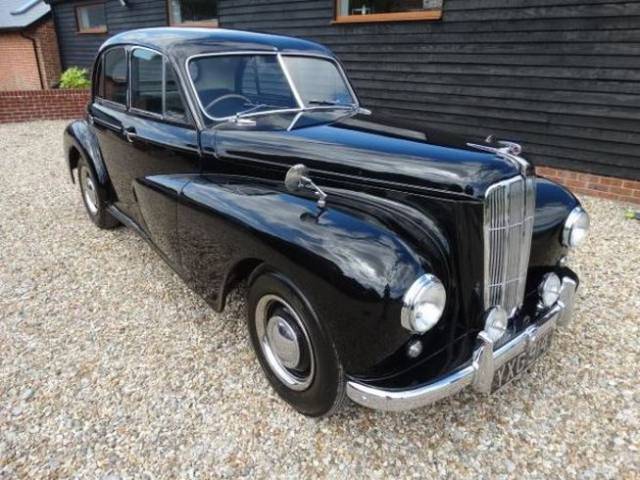
1949 | Morris Six MS
Create search alert
Let yourself be notified as soon as a listing is published that matches your search filters.
Create listing
Do you have a Morris Six that you want to sell? Then create a listing now.
Create listingMorris Six Classic Cars: Prices & Market Values
History of the Morris Six
Launched in October 1948 alongside the Morris Minor and Oxford models, the Morris Six marked a significant shift for Morris Motors by reintroducing six-cylinder power to their post-war range. The car's development coincided with renewed demand for more powerful and refined family vehicles in Britain, and it played a key role in restoring the British automotive industry's reputation for robust yet accessible engineering. At the time, Morris aimed to bring modern features to the mid-size saloon market, such as integral body construction and advanced suspension systems.
Model History
The Morris Six Series MS was the direct descendant of the pre-war Morris Big Six models. Introduced in 1948, it sat above the Morris Oxford in the range and was built until 1953, when it was succeeded by the Morris Isis. The Six was closely related to other post-war Morris models in body structure, but stood out due to its six-cylinder engine and refined mechanical setup. No earlier post-war Morris saloon had used a six-pot engine, underlining the Six’s unique position in the range.
Highlights and Special Features
The Morris Six featured an innovative integral construction for both chassis and body, a leap ahead for Morris at the time. The independent front suspension with torsion bars provided a smoother, more stable ride compared to many contemporaries still reliant on leaf springs. Because the Six was introduced during a period of material shortages and economic challenges, its comfort and engineering refinements were particularly noteworthy for buyers in the late 1940s and early 1950s.
Technical Data
Special Editions and Collectible Models
No distinct factory special editions of the Morris Six Series MS are documented, but well-preserved original cars—especially those with early production features or factory-fitted optional extras—are increasingly sought after by classic car enthusiasts. These include rare colour options or original interiors.
Weak Spots and Common Issues
No data available on specific weak spots, but as with any vehicle of this era, attention should be paid to rust in the chassis and sills, wear in suspension components, and the condition of the engine. Periodic maintenance and parts availability should be considered when evaluating a Morris Six.
Engine and Performance, Transmission and Handling
The Morris Six was equipped with a six-cylinder engine, producing smooth power delivery suited to comfortable cruising rather than outright sportiness. Its independent front suspension with torsion bars contributed to predictable handling for its class, offering improved comfort over older designs. The manual transmission required a deliberate driving style typical for British saloons of the late 1940s and early 1950s. All known UK-market Morris Six models share these mechanical characteristics, so buyers can expect similar driving dynamics across different cars from this series.
Interior, Comfort, Exterior and Design
The Morris Six combined post-war British style with practicality. Its saloon body featured spacious seating, a full steel construction, and details like chromed bumpers and classic round headlamps. Most interiors were trimmed in durable materials of the era, and buyers could sometimes select from special colour combinations or interior fabrics when new. Accessories such as period radios or original wheel trims, if present, are valuable today for collectors.
Other Noteworthy Features
The Six was launched at a purchase price of £607 in late 1948, which increased to £671 by March 1949 due to post-war inflation. Its introduction alongside other integral-constructed Morris models marked a step-change for the brand's engineering direction after WWII.
Summary
The Morris Six represents a pivotal moment in Morris’s history—melding six-cylinder refinement, forward-thinking engineering, and the practical appeal expected of British family saloons in the immediate post-war era. For classic car enthusiasts and collectors, the Six is notable for its role as a bridge between pre-war designs and the modern British cars that would follow.