Morris Mini – Classic Cars for Sale
The Morris Mini stands out as one of the most innovative small cars ever produced, offering space for four adults in just three metres and combining distinctive British charm with unique, functional engineering. Its unmistakable design, paired with agile driving characteristics, make the Mini not only a piece of automotive history but an enduring favourite among enthusiasts. Discover more about the Morris Mini’s story and its technical prowess.
Search results
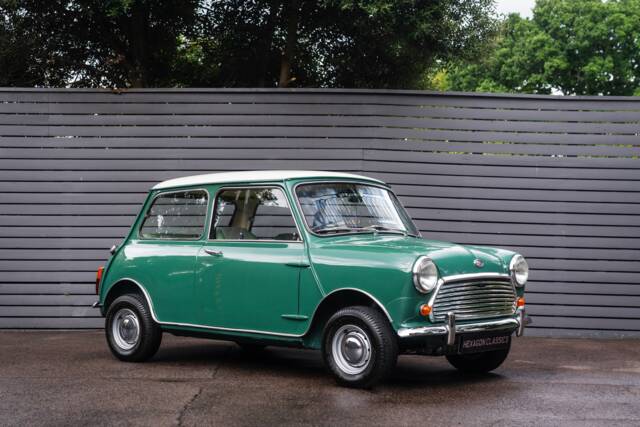
1968 | Morris Mini Cooper S 1275
1275 Cooper S MKII

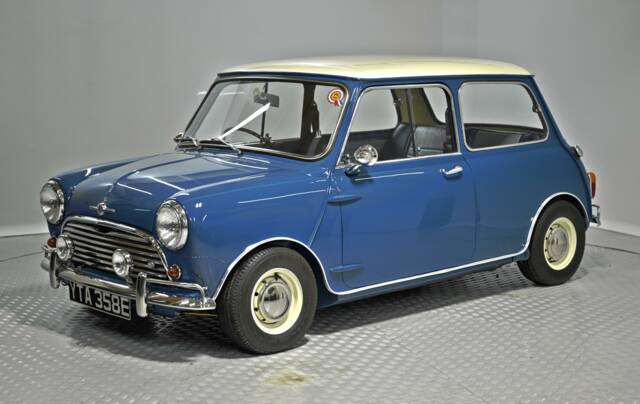
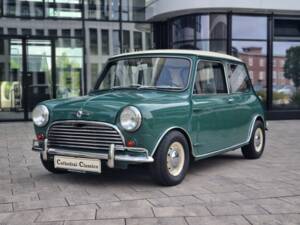
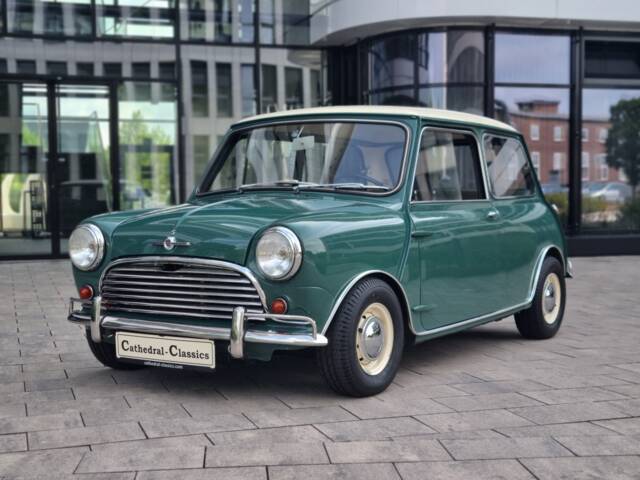
1965 | Morris Mini Cooper S 1275
A charming Morris Mini-Cooper S Mark I (1.275 ccm)

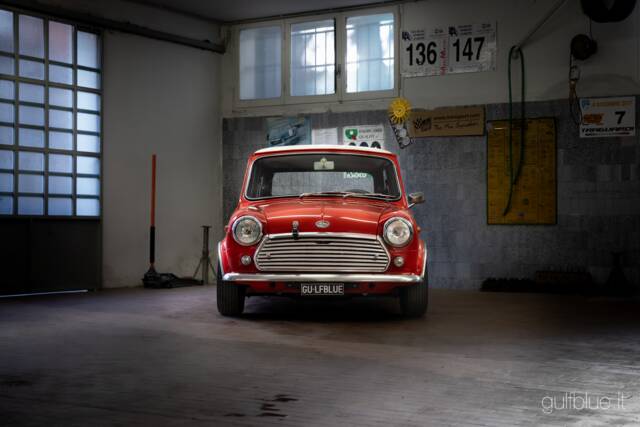
1969 | Morris Mini Cooper S 1275
Documented racing history, sold new in Italy, fully original, prepared engine, original plates.

Newsletter
The best Morris listings, straight to your inbox
Get hand-picked Morris listings, plus the best of cars, motorbikes, and auctions on Classic Trader — all in one place.
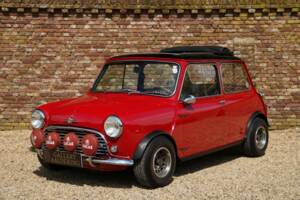
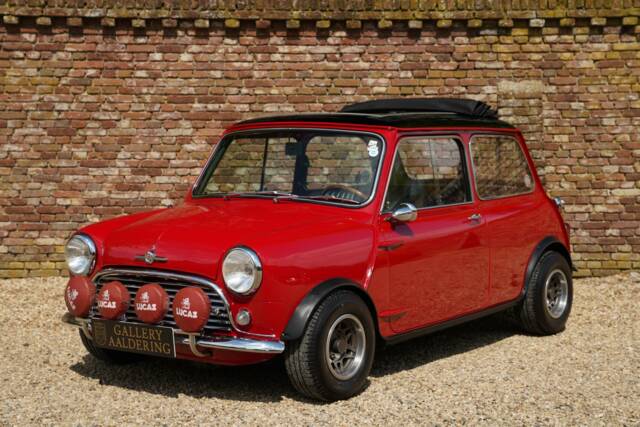
1963 | Morris Mini Cooper S 1071
Morris Cooper S Mark 1 "From a remarkable Dutch collection" "From a remarkable Dutch collection" - Collecting and racing are his passions,Restored condition, Originally delivered in Switzerland,"A cute appearance but also bad behavior - that's okay", Equipped with 4 Lucas fog lights - Mercury 10' wheels and folding roof,Rare original Cooper S - 1071cc example,Supplied with the British Heritage Certificate,

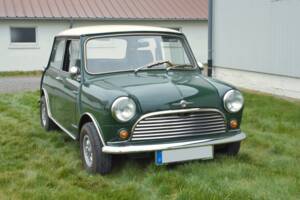
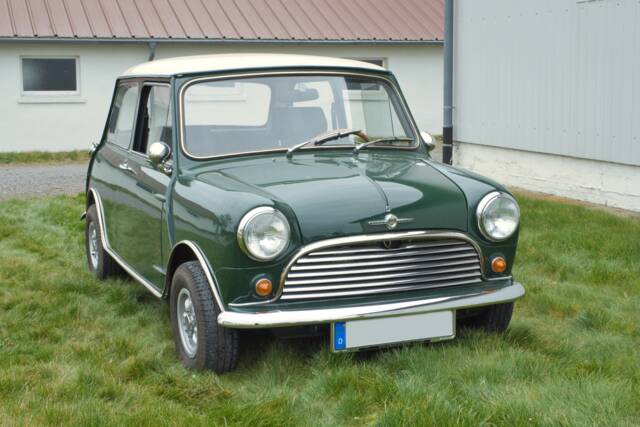
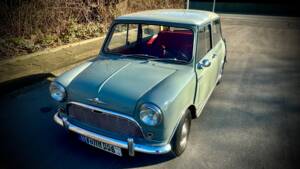
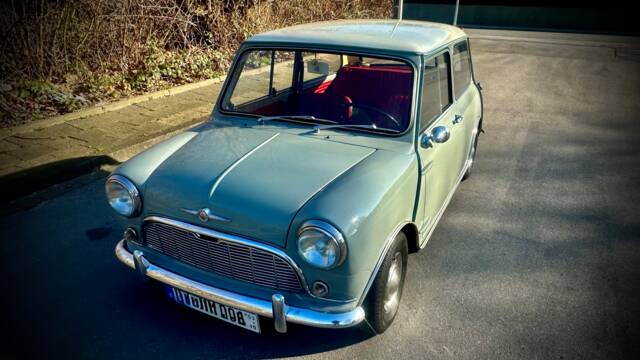
1967 | Morris Mini Cooper 850
fully restored MK 1, collector condition - excellent
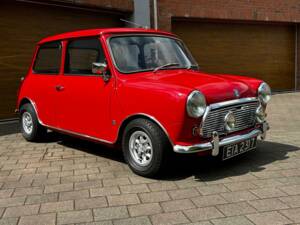
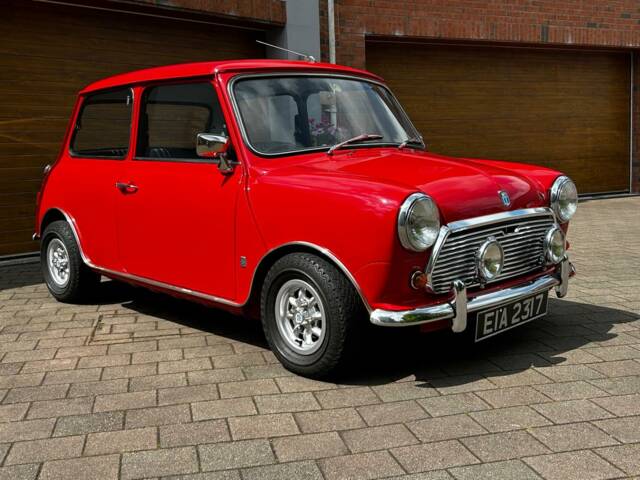
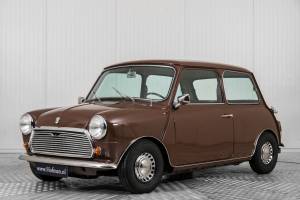

1985 | Morris Mini Cooper 1300
Mini 1300 classic
Morris Mini listing references from Classic Trader
Below you will find listings related to your search that are no longer available on Classic Trader. Use this information to gain insight into availability, value trends, and current pricing for a "Morris Mini" to make a more informed purchasing decision.
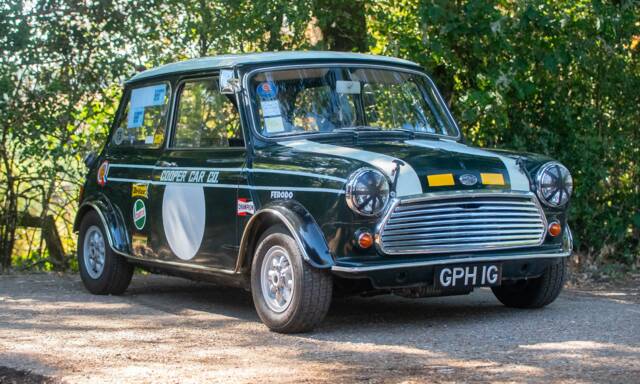
1968 | Morris Mini Cooper S 1275
1968 Morris Mini Cooper S - Group 5 Race Car Recreation
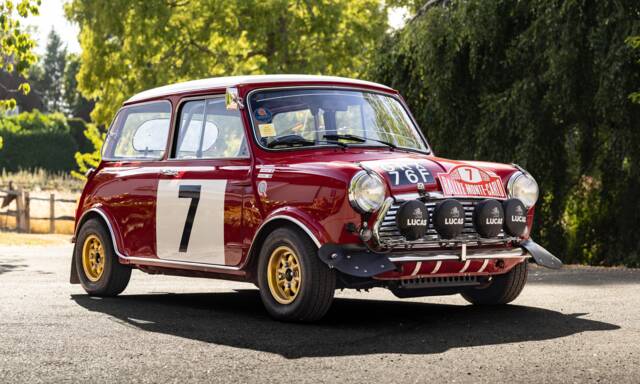
1968 | Morris Mini Cooper S 1275
1968 Morris Mini Cooper S Mk II
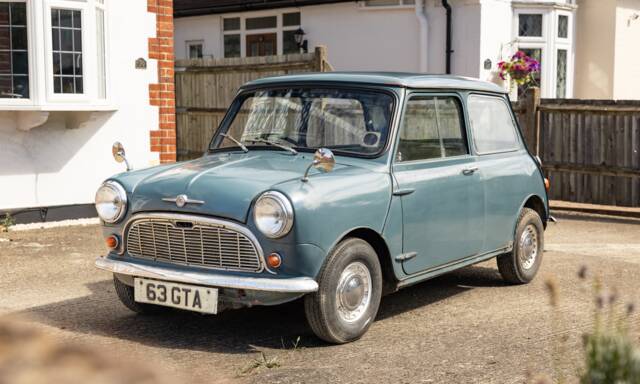
1930 | Morris Mini Minor
1960 Morris Mini Minor
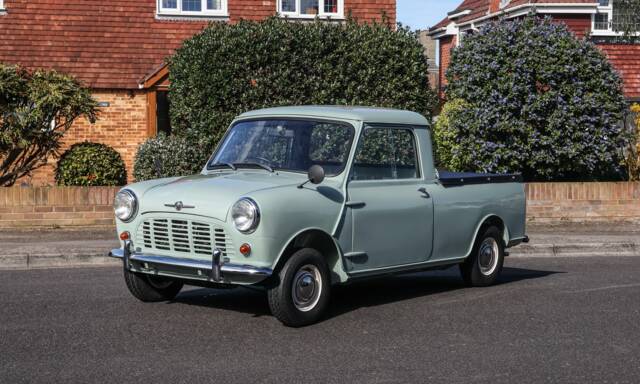
1962 | Morris Mini Pickup
1962 Morris Mini Pick-up
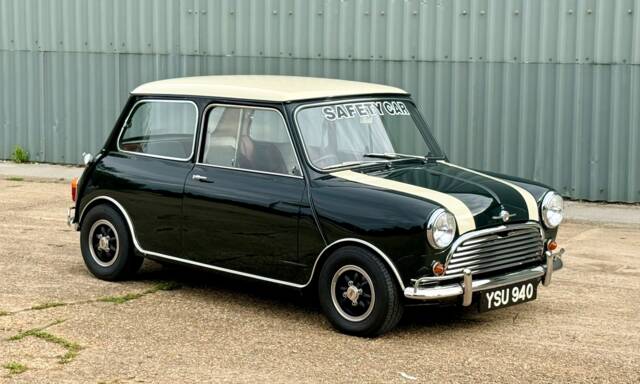
1964 | Morris Mini Cooper S 1275
1964 Morris Mini Cooper S Mk. I CCC75 Prototype
Morris Mini Classic Cars: Prices & Market Values
The market value of Morris Mini classic cars is primarily determined by the specific manufacturer code and variant, as well as technical condition, originality and mileage. Additional factors include rarity, history and documentation. A well-maintained, largely original vehicle with low, verifiable mileage and complete history including appraisals and documentation typically achieves significantly higher prices than a comparable vehicle with deferred maintenance, many modifications or unclear provenance.
Morris Mini: Market Prices & Value Trends
Based on Classic Trader marketplace sales data from March 2021 to January 2026, the Morris Mini market looks broadly stable to gently rising at the top end, with most of the movement driven by genuine performance and early cars rather than everyday Minis. Across the dataset, asking prices span from very low outliers (e.g., a single £4,000 Mini Cooper 1000 listing) to six-figure rarities (such as a £120,000 Cooper S 1275), so a realistic market view sits in the middle. For buyers and sellers in the UK and mainland Europe, most Morris Minis trade in the region of roughly £15,000–£45,000 (or broadly €15,000–€50,000), depending on originality, restoration quality and specification. Standard Mini Minor and estate-style variants (Traveller/Van/Pick-up) commonly cluster in the mid-teens to mid-£20,000s, while 1960s Cooper and especially Cooper S 1275 models typically command £30,000–£55,000. This suggests strong demand for iconic, usable classics with motorsport pedigree, while more ordinary trims remain comparatively steady.
History of the Morris Mini
Developed in response to the Suez Crisis’s fuel shortages, the Morris Mini was engineered by Alec Issigonis for the British Motor Corporation in 1959 as a fuel-efficient, affordable family car. Its monocoque body, transversely mounted front engine, and front-wheel drive maximised interior space on a minimal footprint. Initially sold as both Morris Mini Minor and Austin Seven, the Mini rapidly became a staple of British motoring, with production stretching to 1999 and sales totalling over 5.3 million units. Models were built in the UK and under licence in countries like Italy and Spain, adapting local tastes and regulations without significantly altering the car’s core design. What truly set the Mini apart from its contemporaries was its radical packaging and engineering, securing its role as Britain’s best-selling car and a true trailblazer in compact car development.
Model History
The Morris Mini’s production began in 1959, originally under the designations Austin Seven and Morris Mini Minor. Technical distinctions between the Austin and Morris brands were minor, limited primarily to badges and minor trim differences. Over the years, the series expanded from the original saloon to include the Traveller (estate with wood trim), Van, and Pickup. In 1969, Mini became a brand in itself, marketed simply as the ‘Mini’. Engine evolutions started with the 848cc four-cylinder, later joined by larger engines up to 1275cc, particularly for sporty Cooper and Cooper S derivatives. Throughout its run, the Mini encompassed various mechanical tweaks—including the change from rubber cone to Hydrolastic suspension on some models—but always retained its unique character. The car’s conceptual successor, the Metro, failed to overshadow its legacy, as Mini production continued until 2000.
Highlights and Special Features
The Morris Mini was prized for pioneering space-efficient engineering—transverse engine, compact drivetrain, and front-wheel drive delivered maximum interior space in minimal exterior dimensions. Key features of early models include external door hinges, sliding side windows, and the floor-mounted starter button. The car’s playful handling, stemming from individual wheel suspension and a low centre of gravity, gave it an enviable reputation both on the street and in motorsport. Unique versions like the Traveller estate and rare Cooper S rally specials widened its appeal. The central speedometer and simple dash fitted the minimalist yet functional ethos, while a huge range of colours and accessories fuelled individualisation.
Technical Data
Special Editions and Collectible Models
Particularly desirable are the Mini Cooper and Cooper S models, developed from 1961 with John Cooper to boost motorsport credentials: upgraded engines (997, 998, 1071, 970, 1275cc), improved brakes, and specific chassis tweaks. Cooper S versions, especially with 1275cc and up to 75 PS, are highly regarded—both for their road performance and competition pedigree, with Monte Carlo Rally wins in 1964, 1965, and 1967. Rarer still are the Mk3 Cooper S (less than 2,000 built) and special edition variants with unique trim or commemorative livery. Later revivals, like the 1990 Rover RSP Mini Cooper, brought fuel-injected engines and modernised features.
Weak Spots and Common Issues
Classic Minis can suffer from rust, particularly in the floor, sills, and subframe. Mechanical issues may arise in older hydraulic (Hydrolastic) suspension units and with the unique, shared engine/gearbox lubrication system, which can accelerate wear if not serviced regularly. Early drum brakes require vigilant maintenance, while sliding windows and external handles on first-generation models may be sources of water ingress. Spare parts availability remains good, though originality is highly valued by collectors.
Engine, Transmission and Handling
The Morris Mini’s front-mounted, transverse engine and front-wheel drive, combined with compact, lightweight construction and independent suspension, provided tight handling and unmatched agility for its era. Standard output was 34 PS from the 848cc motor, while Cooper and Cooper S versions raised this to as much as 75 PS in the 1275cc variant, allowing top speeds up to 160 km/h. Minis are renowned for their direct steering and a 'go-kart' feel—deliveries only amplified in tuned variants. Four-speed manual gearboxes, initially with partial synchronisation, offered robust, mechanical engagement. Cooper S models feature more powerful disc brakes and double carburettors for responsive performance. - MK I (848cc, 34 PS): Noted for pure original specification, preferred by purists.
- Cooper S (1275cc, 70–75 PS): Highest performance, competition successes.
- Traveller/Countryman: Practicality with increased length and boot space.
Design, Interior and Accessories
Alec Issigonis’s approach prioritised function and minimalism: compact external proportions hid a surprisingly roomy interior, achieved through near-vertical seating and clever space management. The Mini’s blunt, friendly shape with near-flat sides, horizontal roof, and external hinges became instantly recognisable worldwide. The dashboard was dominated by a central speedometer; interiors remained sparse but customisable, with variants offered in multicolour themes and special trims. Accessories in the 1960s and 1970s included auxiliary spotlights, a variety of mirror options, and custom paintwork, often reflecting local and period tastes. Cooper and Cooper S featured sport seats, additional gauges, and alloy wheels. The Traveller/Countryman wagons were noted for their exposed wood panelling, further adding to the model’s diversity.
Other Relevant Features
The Mini cultivated an enormous fan culture, with enthusiast clubs globally and extensive networks for spare parts and upgrades. Its versatility allowed the platform to serve in a variety of motorsport disciplines, from circuit racing to rallying. The car’s adaptability was evident in the broad palette of available colours and accessories, encouraging individuality. Later models could be specified with special features according to market, such as servo-assisted brakes or extra fuel tanks.
Summary
The Morris Mini broke new ground with its revolutionary engineering and creative packaging, resulting in a small car that redefined expectations for interior space, driving dynamics, and cost-effective motoring. From the practical saloon to the high-performance Cooper S, the Mini family delivered options for every taste—with the MK I and Cooper S standing out in supply and demand data. Robust spare parts supply and dedicated fan communities continue to keep the classic Morris Mini alive on British and European roads today.