Mercedes 15/70/100 PS classic cars for sale
The Mercedes 15/70/100 PS, built from 1924 to 1929, represents an era where engineering advancements met luxurious motoring. As one of the flagship Daimler vehicles of the 1920s, it marked the transition towards the later Mercedes-Benz Typ 400 after the historic merger with Benz & Cie. Early eight-cylinder technology, generous dimensions, and refined craftsmanship make examples of this model a centrepiece for dedicated collectors seeking authenticity and period engineering purity.
Search results
Currently, there are no matching listings for your search.
Create search alert
Let yourself be notified as soon as a listing is published that matches your search filters.
Create listing
Do you have a Mercedes 15/70/100 PS that you want to sell? Then create a listing now.
Create listingMercedes 15/70/100 PS listing references from Classic Trader
Below you will find listings related to your search that are no longer available on Classic Trader. Use this information to gain insight into availability, value trends, and current pricing for a "Mercedes 15/70/100 PS" to make a more informed purchasing decision.
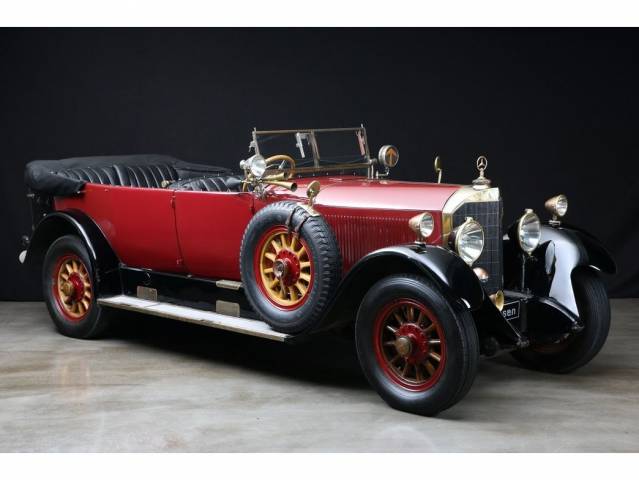
1925 | Mercedes 15/70/100 PS
1925 Mercedes-Benz 15/70/100 PS Offener Tourenwagen
Create search alert
Let yourself be notified as soon as a listing is published that matches your search filters.
Create listing
Do you have a Mercedes 15/70/100 PS that you want to sell? Then create a listing now.
Create listingMercedes 15/70/100 PS Classic Cars: Prices & Market Values
History of the Mercedes 15/70/100 PS
The Mercedes 15/70/100 PS debuted in 1924, at a time when luxury and innovation were the domain of Europe’s major manufacturers. Developed by Daimler, the car embodied the spirit of technical ambition, featuring sophisticated mechanical solutions for its era. In 1926, after Daimler merged with Benz & Cie, the model evolved into the Mercedes-Benz Typ 400, but retained its core attributes — robust engine architecture and imposing stature on the road. Its production window captures a pivotal phase in both automotive technology and the consolidation of Germany's luxury car industry.
Model history
The Mercedes 15/70/100 PS succeeded earlier high-performance Daimler models and set the technical standard for large pre-war luxury cars. Post-1926, the merger between Daimler and Benz led the car to be renamed as the Mercedes-Benz Typ 400, continuing its legacy within the new corporate structure. Its direct successors inherited the foundational eight-cylinder engine design, gradually moving towards more modern engineering in subsequent decades.
Highlights of the Mercedes 15/70/100 PS
The 15/70/100 PS was remarkable for its powerful engine configuration and distinctive presence. Key technical features include an eight-cylinder engine, substantial chassis construction, and advanced comfort features for its period. Its reputation is bolstered by the seamless transition to the Mercedes-Benz Typ 400, which maintained the car's luxurious and innovative DNA.
Technical data
Special Editions and Collectible Models
While no officially designated 'special editions' of the 15/70/100 PS are documented, vehicles built post-1926 under the Mercedes-Benz Typ 400 designation hold particular significance for collectors, representing both the end of the standalone Daimler era and the dawn of the Mercedes-Benz marque.
Engine and Performance, Transmission and Handling
The eight-cylinder layout provided the Mercedes 15/70/100 PS with notable smoothness and refinement for its era. Its engineering allowed for reliable long-distance touring, and the chassis delivered stability across uneven surfaces common to the period. Manual transmission, substantial weight, and period suspension call for attentive driving style and regular adjustment. True period performance should not be compared to post-war developments, but retains immense historical interest.
Interior, Comfort, Exterior and Design
This model series stands out for its stately bodywork, generous use of metal and wood, and carefully finished interior trim. Interiors often featured elaborate upholstery and fine detailing, reflecting the luxury aspirations of the era. Externally, the car presented with pronounced fenders, upright radiator, and classical lines. Special orders could include bespoke coachwork by external manufacturers, making each car a unique artifact of its time.
Summary
The Mercedes 15/70/100 PS remains a significant milestone in German automotive history — it bridged two corporate legacies and laid groundwork for the luxury lineage of the modern Mercedes-Benz brand. Surviving examples demonstrate both period-correct engineering and a tangible connection to the luxury car culture of the interwar years.