Lotus 76 classic cars for sale
The Lotus 76 stands out as a distinct chapter in Formula One history, representing Team Lotus' pursuit of technical innovation during the 1974 season. As a rarity in the classic car market today, the 76 attracts motorsport enthusiasts and collectors with its unique engineering approach and strong identity within the brand's lineage.
Suchergebnisse
Zur Zeit sind keine passenden Inserate zu Ihrer Suche veröffentlicht.
Create search alert
Let yourself be notified as soon as a listing is published that matches your search filters.
Create listing
Do you have a Lotus 76 that you want to sell? Then create a listing now.
Create listingLotus 76 listing references from Classic Trader
Below you will find listings related to your search that are no longer available on Classic Trader. Use this information to gain insight into availability, value trends, and current pricing for a "Lotus 76" to make a more informed purchasing decision.
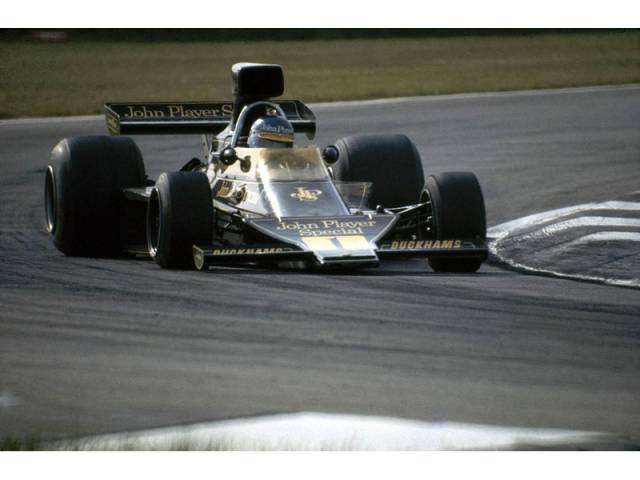
1974 | Lotus 76
Lotus 76/1-JPS9

Create search alert
Let yourself be notified as soon as a listing is published that matches your search filters.
Create listing
Do you have a Lotus 76 that you want to sell? Then create a listing now.
Create listingLotus 76 Classic Cars: Prices & Market Values
History of the Lotus 76
The Lotus 76 emerged from the collaborative efforts of Colin Chapman, Tony Rudd, and Ralph Bellamy, engineered for Team Lotus' 1974 Formula One campaign. Conceived as the intended successor to the successful Lotus 72, the 76 was developed to push technical innovation in F1. At launch, the model introduced several advancements, including an electronically operated clutch and an emphasis on aerodynamic efficiency, reflecting Chapman's relentless drive for competitive advantage on the track.
Model history
The Lotus 76 was built as the next evolutionary step after the celebrated Lotus 72, with the ambition to continue Lotus' edge in Formula One. Although its competitive success was limited compared to its predecessor, partly because of development issues and its complexity, the 76 played a pivotal role in Lotus' ongoing experimentation with advanced technologies. The direct successor to the 76 was the Lotus 77, indicating Lotus' approach to constant progression in chassis and performance development during the mid-1970s.
Highlights of the Lotus 76
A defining feature of the Lotus 76 was its experimental technology, especially the innovative electronically operated clutch that aimed for faster gear changes. Its chassis adopted a slimmer, more aerodynamically refined shape, and a distinctive new front wing layout for improved airflow. The 76 is now noted for its rarity and experimentation during a period of rapid technical change in Formula One.
Technical data
Special editions and collectible models
Due to its limited competition history and small production numbers, every surviving Lotus 76 chassis commands attention among Formula One collectors. No official factory 'special editions' were released, but certain chassis with proven Grand Prix entries or links to notable Team Lotus drivers like Ronnie Peterson and Jacky Ickx hold additional historic value.
Weak spots and common issues
Given the Lotus 76's origins as a purebred Formula One machine, ownership and maintenance require specialist knowledge. Historic F1 engineering, advanced electronic controls for its time, and bespoke chassis parts mean that parts availability is a challenge, and expert technical skill is needed for extensive servicing. Prospective owners should be aware of the intricacies of the electronic clutch and complex systems pioneered by Lotus in this era.
Engine and performance, transmission and handling
Equipped with the Ford-Cosworth DFV V8, the Lotus 76 delivered competitive power and hallmark F1 performance characteristics, with rapid acceleration maximised by its low mass and advanced aerodynamics. The electronically controlled clutch—while innovative—proved difficult to master, impacting reliability and driver confidence during its competitive life. Handling was agile but required skilled setup and driver feedback, a feature of Chapman's uncompromising racing ethos. Notable chassis raced by established Lotus drivers are considered the most desirable, especially those with unique race histories or original configurations.
Interior, comfort, exterior and design
With its driver-focussed, single-seat cockpit, the Lotus 76 optimised ergonomics for professional drivers rather than comfort. Exterior styling set new benchmarks in 1970s F1 design, featuring a narrower tub and flat, vented bodywork to channel airflow efficiently. The celebrated black and gold livery—marking Team Lotus' partnership with sponsors—remains one of the most visually striking in motorsport history. Special equipment included lightweight race controls and prominent aerodynamic devices.
Other notable features
The Lotus 76's persistent focus on innovation influenced future Formula One engineering, especially regarding electronic driver aids and integration of advanced materials. Its story stands as a reminder of the challenges inherent in motorsport’s relentless technological evolution.
Summary
The Lotus 76 represents an ambitious chapter in both the history of Team Lotus and Formula One. With its focus on cutting-edge technology, rare production, and distinctive design, it continues to intrigue racing historians and classic motorsport collectors. Its limited availability and significant place within Lotus’ development heritage make it an exceptional example of 1970s Formula One innovation.