Lola T280 classic cars for sale
The Lola T280, conceived by renowned engineers Eric Broadley, John Barnard, and Patrick Head, occupies a unique position in endurance racing history. Its presence in classic racing today is a direct result of its innovative engineering and uncompromising focus on performance.
Search results
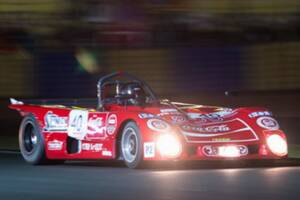
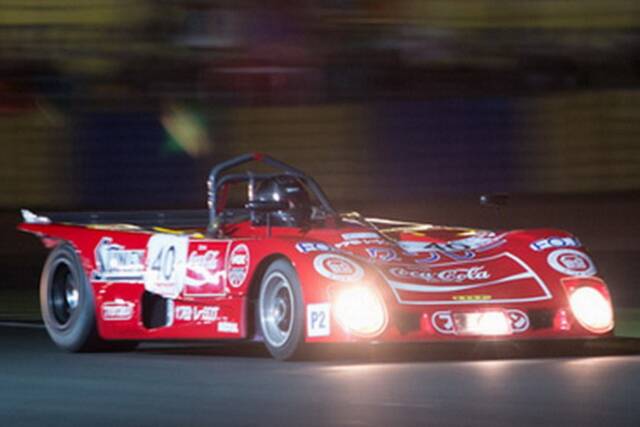
1972 | Lola T280
Lola T280 (DFV)

Lola T280 listing references from Classic Trader
Below you will find listings related to your search that are no longer available on Classic Trader. Use this information to gain insight into availability, value trends, and current pricing for a "Lola T280" to make a more informed purchasing decision.
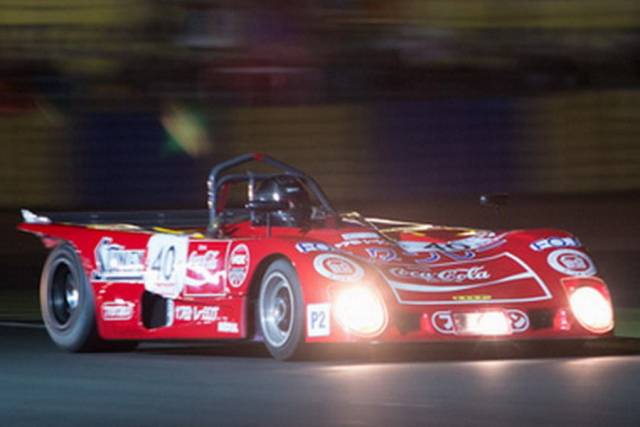
1972 | Lola T280
Lola T280 (DFV)
Lola T280 Classic Cars: Prices & Market Values
History of the Lola T280
The Lola T280 marked a pivotal shift for British constructor Lola, entering the competitive Group 5 3-litre sports prototype class of the World Sportscar Championship in 1972. Developed by Eric Broadley in collaboration with John Barnard and Patrick Head—engineers later renowned for their work in Formula One—the T280 represented an ambitious approach to prototype design. The car was intended to challenge established rivals by leveraging Lola's lightweight construction expertise and progressive chassis philosophies. Its evolution through subsequent T282, T284, and T286 variants cemented the design as a regular contender in international endurance racing, influencing Lola’s race car portfolio for years.
Model Evolution of the Lola T280 Series
Development of the Lola T280 didn’t end with the original model. The T282, T284, and T286 emerged as evolutions, each integrating revised aerodynamics and mechanical refinements keeping pace with the evolving regulations and competition of the World Sportscar Championship. These models were designed to accommodate advancements in engine technology and rules changes while maintaining Lola's characteristic handling precision and driver focus. Each update aimed to address on-track feedback while maximising reliability in endurance racing.
Highlights of the Lola T280 Series
The Lola T280 series stands out for its innovative Group 5 racing chassis, mid-mounted naturally aspirated 3-litre engines, and the involvement of engineers who shaped modern motorsport. The car is recognised for a low frontal area, optimised weight distribution, and a tubular aluminium monocoque that delivers excellent rigidity relative to period standards.
Technical Data
Special Editions and Collectible Models
While the base T280 was further refined into T282, T284, and T286 versions, all focused on ongoing competition improvements rather than road-going features or cosmetic enhancements. The rarity of original examples surviving in period-correct race specification makes each T280 and its evolutions distinctive among collectors and historic racers.
Weak Spots and Common Issues
Due to its purebred racing origins, the T280 demands specialist care. Chassis inspections for fatigue in the aluminium monocoque and regular rebuilds of the Cosworth DFV V8 are mandatory. Suspension components, exposed to high stresses during racing, require routine checking and potential fabrication of replacement parts. Sourcing period-correct components may require engagement with specialist suppliers or fabrication workshops.
Engine, Performance, Transmission, & Handling
The T280’s 3-litre Cosworth DFV engine is celebrated for its power delivery, revving beyond 10,000 RPM with torque characteristics suited for circuit racing. Paired with a Hewland manual gearbox and state-of-the-art suspension for its era, the car’s set-up allows for rapid response to driver input, uncompromised mechanical grip, and agility through quick changes of direction—vital for endurance events and technical circuits. Noteworthy among the model evolutions are the T282, T284, and T286, each adapting to technical regulations and track demands. All iterations maintain core T280 traits: lightweight structure, V8 power, and professional-level racing hardware.
Interior, Comfort, Exterior, and Design
Purely function-driven, the Lola T280’s design embodies minimalism. Drivers face an austerely equipped cockpit stripped of luxury, focused solely on readability and ergonomic control layouts necessary for endurance racing. Externally, the car’s low profile and wide stance were sculpted for maximum aerodynamic stability. Designer input from Eric Broadley established a visual identity of utilitarian finesse and purposeful aggression. Original cars featured race liveries, with no road-oriented colour palettes or accessories outside FIA regulations.
Other Features
The Lola T280’s adaptability to various racing conditions—through setup changes and modular components—adds to its appeal for historic racers. Its engineering also served as a development platform for future Lola innovations, bridging technologies between sports prototypes and open-wheel forms.
Summary
The Lola T280 series exemplifies British prototype engineering focused on endurance racing in the early 1970s. With supply and demand figures entirely aligned in the classic car marketplace, the T280 exclusively represents Lola’s period Group 5 efforts. As a thoroughbred competition car, it attracts collectors with an interest in historic motorsport and demands a commitment to specialist care and restoration.