- Car
- Lola (3 offers)
Buy Classic Lola Cars
Lola built racing cars for drivers and teams who value lap times, mechanical clarity and provenance over road-car comfort. Find carefully documented classic Lola racing cars on Classic Trader, from light sports racers to thunderous V8 prototypes.
Search results
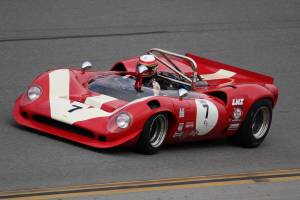
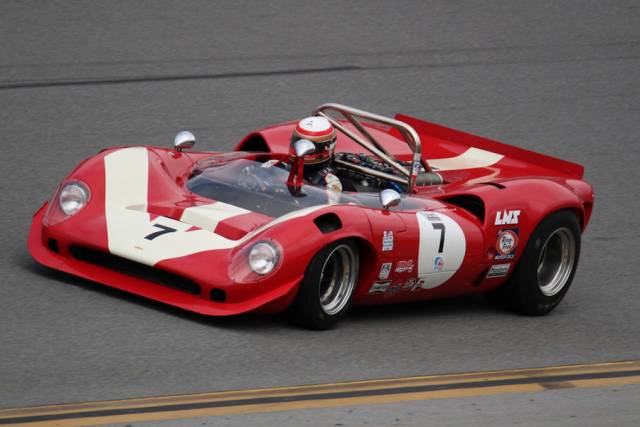
1967 | Lola T70
Lola T70 Mk3B Spyder

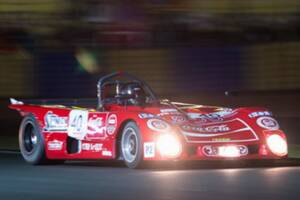
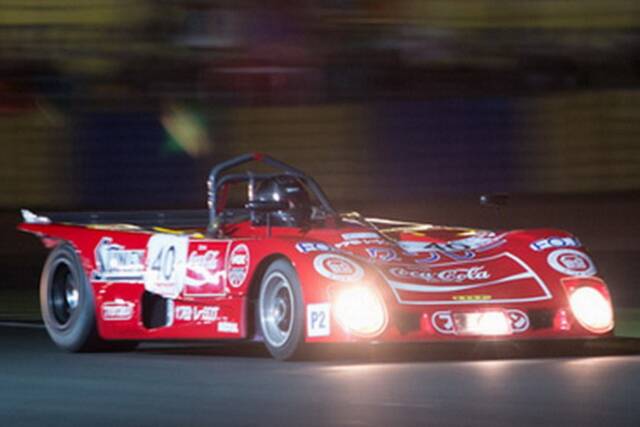
1972 | Lola T280
Lola T280 (DFV)
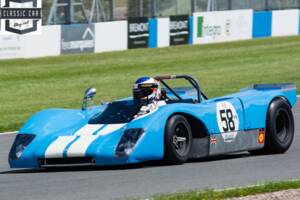
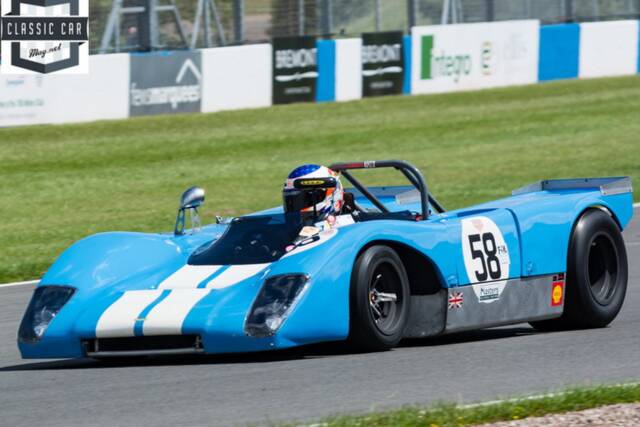
1971 | Lola T212
Lola T212
Lola listing references from Classic Trader
Below you will find listings related to your search that are no longer available on Classic Trader. Use this information to gain insight into availability, value trends, and current pricing for a "Lola" to make a more informed purchasing decision.
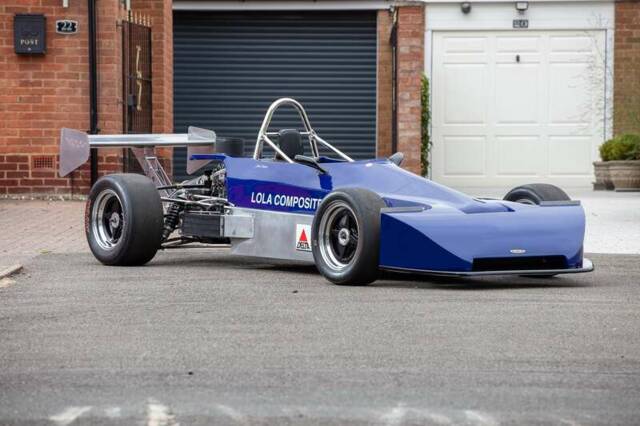
1978 | Lola T622
1978 Lola T622 Formula Libre/ Monoposto - Ex-Andrew Broadley

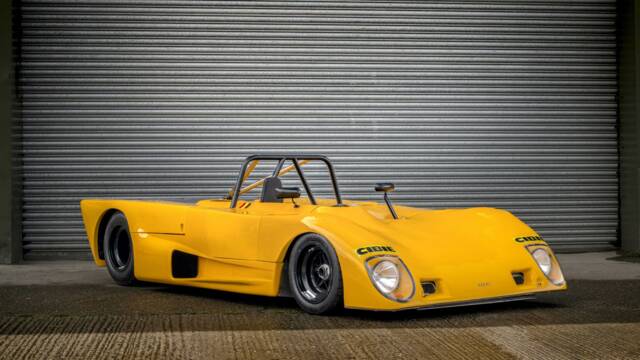
1972 | Lola T290
“Strong Coffee”
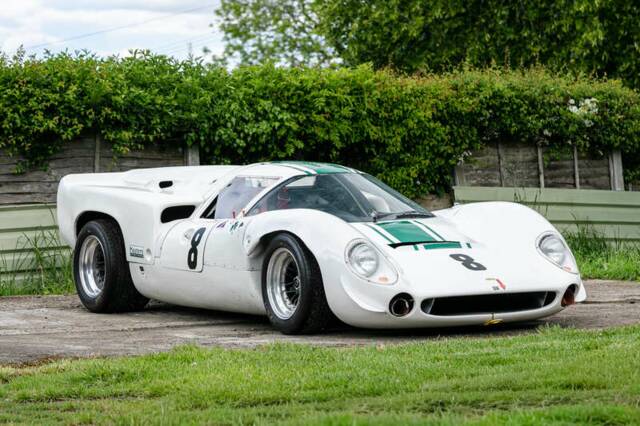
1967 | Lola T70
1968 Lola T70 Mk III
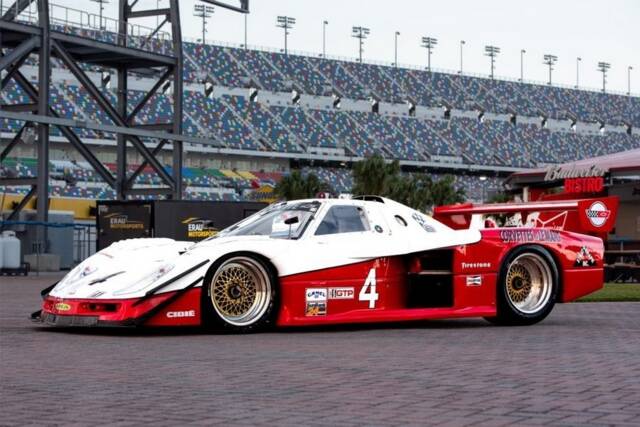
1984 | Lola T711
Lola T711 Corvette GTP (Group C)
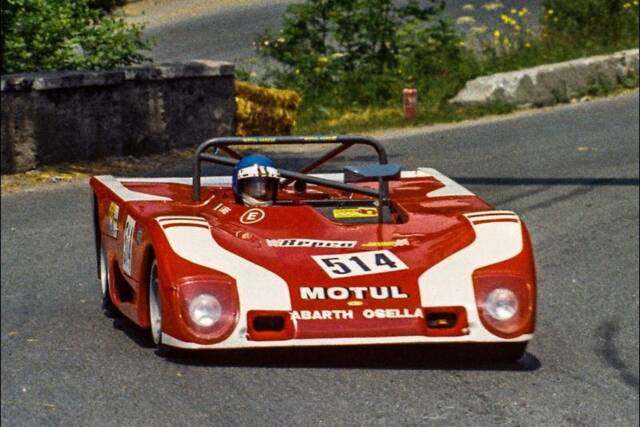
1972 | Lola T290
Lola T290
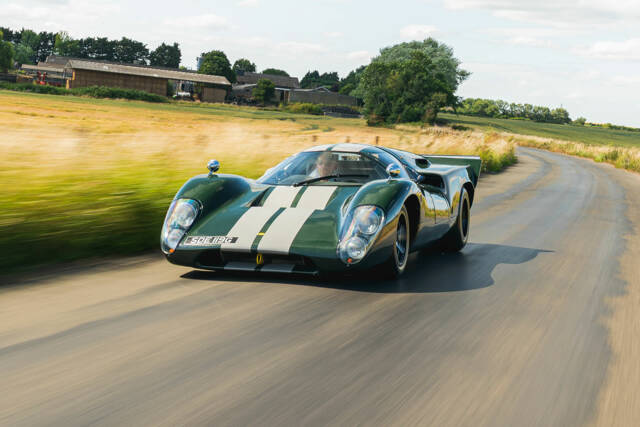
1969 | Lola T70
UK ROAD REGISTERED
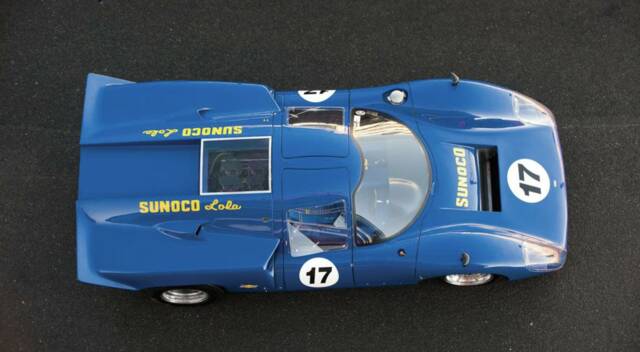
1969 | Lola T70
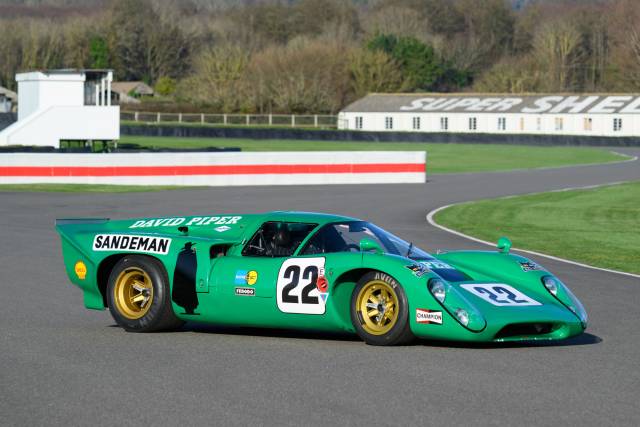
1969 | Lola T70
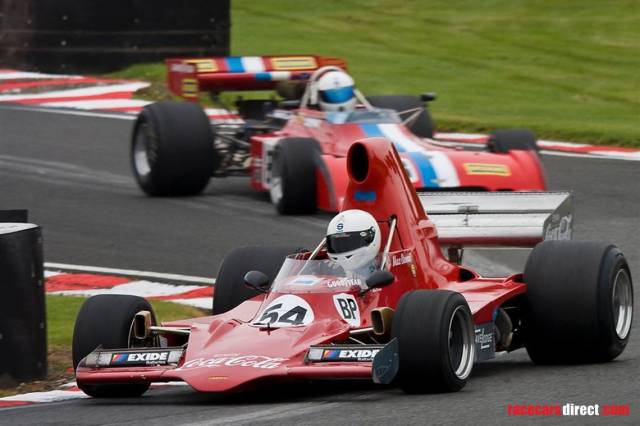
1975 | Lola T400-F5000
Complete and ready to use!
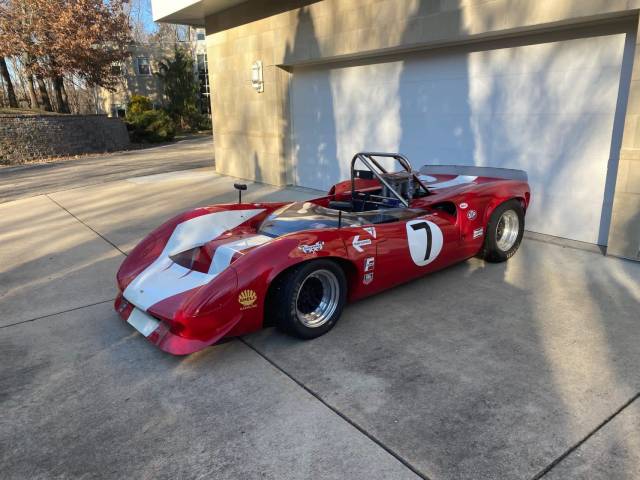
1967 | Lola T70
LOLA T70 MKB3
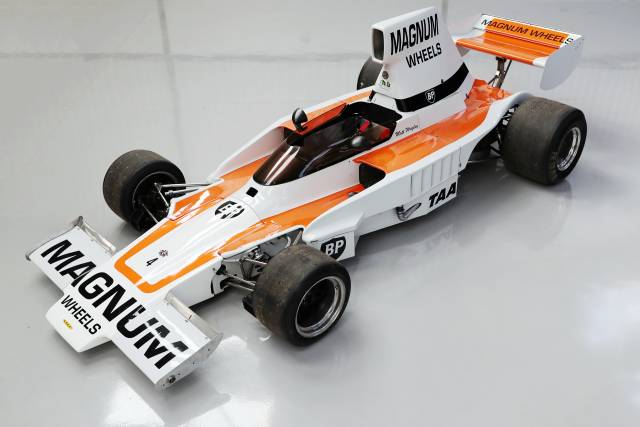
1973 | Lola T332
1973 Lola Lola 330/332 F5000 Chevrolet
A British racing-car story
Lola Cars is one of the great names in British customer racing. Eric Broadley founded the company in Bromley in 1958, at a moment when small British constructors could turn clever engineering into viable racing machinery without the resources of a major manufacturer. The name came from the song Whatever Lola Wants, but the business was defined by a more practical idea: make fast, serviceable cars that a private entrant could understand, maintain and race. Lola would go on to supply machinery for sports-car racing, Formula Junior, Formula 2, Formula 5000, Indy racing, Formula 3000 and many other categories. Its output was vast; its best cars remain unusually direct links to the British club-racing and international racing scenes that made the marque possible.
The first Lola Mk1 set the tone. This low, front-engined 1.1-litre sports racer appeared in 1958 and promptly proved competitive against the established Lotus 11. Its Coventry Climax engine was modest, but a light chassis, neat bodywork and responsive handling made the car effective on British circuits. The Mk1 was not simply a promising first effort. It demonstrated Broadley’s ability to design a car around a particular racing task and leave enough practical access for an owner-driver to keep it working between meetings at Brands Hatch, Snetterton or Silverstone.
Lola’s 1960s story moved quickly through single-seaters and sports racers. The mid-engined Mk6 GT of 1963 was an important turning point. Its compact V8 coupé layout impressed Ford sufficiently that Broadley and his team briefly joined the GT40 project. After leaving that collaboration, Broadley returned to Lola with a design that became the marque’s visual shorthand: the T70. Introduced in 1965 as an open Group 7 sports racer, it combined a purposeful aluminium structure with the straightforward force of an American V8. Spyder and coupé variants raced in Can-Am, USRRC and endurance events, and the T70 Mk3B coupé scored its celebrated 1969 Daytona 24 Hours win in Penske hands.
It would be a mistake, however, to reduce Lola to the wide-arched V8 car. Lola excelled at adapting its thinking to very different formulae. The T212 was a compact two-litre sports prototype for the European Championship, using a Cosworth FVC four-cylinder and a light aluminium monocoque. In 1971, T212s won five of the nine European Championship rounds, with Helmut Marko taking the title. The 3.0-litre T280 followed with the Cosworth DFV V8 and the increased aerodynamic and mechanical demands of the era. At the other end of the Lola experience, the T332 represented Formula 5000: a single-seater with a Chevrolet V8, huge torque and the accessible appeal of a customer formula that drew formidable grids in Britain and beyond.
Lola continued to build successful customer cars long after these 1960s and 1970s examples. It had major achievements in American open-wheel racing and a long association with junior single-seater formulae. The company’s brief Formula 1 programme in 1997 was a costly failure, and the original Lola Cars business entered administration in 2012. That corporate history does not diminish the importance of the earlier cars. For a modern buyer, it makes careful identification more essential. A Lola badge can describe an original period chassis, a car repaired during its active life, a vehicle with a replacement tub, a continuation built to accepted specification, or a later re-creation. Those categories can all be enjoyable racing cars, but they are not interchangeable collecting propositions.
Why classic Lolas matter
Lola’s particular appeal lies in purposeful engineering without unnecessary theatre. These were generally built to be bought and raced, not merely admired in a showroom. That is why a good Lola can feel unusually comprehensible to an experienced owner: the bodywork comes away, the suspension layout is legible, and familiar competition components such as Hewland transaxles, Chevrolet small-block V8s and Cosworth engines have an established specialist base in Britain. Comprehensible does not mean cheap or simple. It means that a pre-purchase inspection can be focused on the things that genuinely determine safety, eligibility and value.
The range is another strength. An early Mk1 rewards smooth momentum and modest power; a T70 demands respect for torque, tyre temperature and braking; a T212 offers a much lighter, more precise prototype character; a T280 adds DFV power and serious downforce; and a T332 carries the physical drama of Formula 5000. A collector building a varied stable can therefore choose between distinct eras and driving disciplines while staying within one British marque.
Competition provenance is central. For many road classics, matching paint, trim and panel gaps dominate a viewing. On a Lola, authenticity has a wider and more consequential meaning. Period race entries, photographs, log books, old invoices, owners’ correspondence, chassis-register material and FIA paperwork can establish what a car is and what it may be able to do. A chassis that raced at a notable meeting, has an unbroken ownership narrative and is accepted by the relevant historic-racing bodies will be viewed differently from an attractive car with an undocumented identity.
This is especially relevant in Britain, where the culture around historic competition is unusually active. A Lola that is acceptable for an HSCC grid, Masters Historic Racing, Motor Racing Legends or an overseas Peter Auto meeting has an immediate use case beyond display. Goodwood is a further aspiration, particularly for a suitable T70 in the Whitsun Trophy environment, but buyers should never treat an old HTP or a seller’s phrase such as “Goodwood eligible” as an entry guarantee. Goodwood selects cars and drivers for individual events. Eligibility, invitation and final scrutineering are separate matters.
The lightweight construction is both an attraction and a responsibility. Aluminium monocoques, fabricated suspension parts, magnesium components and thin glassfibre bodywork help create the alertness for which these cars are valued. They also mean that repair quality matters profoundly. A sensitively repaired racing car is not automatically a compromised one—period competition cars were repaired—but the work needs to be documented and assessed by a specialist who understands the original construction and the intended event regulations.
Technical data for representative Lola cars
The figures below are useful orientation rather than a substitute for the specification sheet of an individual car. Lola often supplied cars to evolving regulations, while engines, gearing, bodywork and weight changed with owner and event. Verify the actual chassis against its papers and current build record.
The T70 is the obvious example of why a table is only the start. A well-developed 5.7-litre Chevrolet may produce well above 500 bhp, whereas another T70 can have a different capacity, induction system, dry- or wet-sump arrangement, power curve and permitted specification. A 2022 Goodwood sale catalogue for the first completed T70 recorded 573.5 bhp at 6,000 rpm for its 5.7-litre MWE engine, accompanied by dyno documentation. Such a number is useful only with its engine builder, date, specification and rebuild hours attached.
The T212’s FVC creates a different ownership conversation. Its output comes at high engine speed, and its light weight gives it a very different character from a big V8 Lola. Mileage is not a meaningful shorthand for condition: engine hours, dyno sheets, oil-pressure history and invoices from a known race-engine specialist are more informative. The same applies to Hewland gearboxes. Ask when the gearbox, differential and driveshafts were last stripped, which ratios are supplied, and whether the car has been run since that work.
Market overview and buying tips
The British market for classic Lola cars is small, international and sharply divided by identity. There is no sensible single “Lola price”. An original car with continuous race history, a credible event record, current safety equipment and a valuable spares package can command a very different sum from a later-built car that outwardly resembles it. The right question is not whether a Lola is cheap for its shape or claimed performance, but whether its provenance and preparation suit the buyer’s intended use.
Recent British evidence illustrates the spread. A 1965 T70 Mk1 Spyder, SL70/3, with substantial period history and Goodwood relevance, was advertised in 2026 at £285,000 after winning the 2025 Goodwood Revival Whitsun Trophy. This is an asking price, not an auction result, and it reflects a particularly compelling chassis story. In contrast, a 1965-specification T70 Mk II Spyder with a new tub following a major restoration was advertised in Bristol at £165,000 in 2025. It had FIA Historic Technical Papers to the end of 2035 and a fresh 440 bhp Chevrolet, but the advertisement was candid about its damage and reconstruction history. That distinction is exactly why a buyer should not use either figure as a blanket T70 valuation.
Another 2025 market reference was a Mk II Spyder estimate of £170,000–£210,000 at H&H Classics. The catalogue described a completed restoration, crack-tested period components and FIA HTP. A T70 Mk3B continuation-style car with HTP was advertised at £330,000, again demonstrating that race readiness, builder reputation, specification and provenance affect an asking figure as much as the model name. For the smaller-capacity cars, Iconic Auctioneers offered a 1972 T212 with an estimate of £150,000–£170,000 at its February 2024 sale; it remained unsold. An unsold estimate is not a sale price, but the catalogue’s FVC engine, FIA papers and spare-wheel provision are useful indicators of the detail buyers should expect to see.
Budget for more than the purchase. A historic racing Lola needs a running fund, not a conventional classic-car service allowance. Engine refresh intervals are set by hours and use; gearbox inspections, crack testing, tyres, fuel, entry fees, transport and professional support can be material annual costs. A car that has stood for years may require fuel-cell, extinguisher, seat-belt, plumbing and brake-system renewal before it is eligible to race, regardless of how bright its paintwork appears.
Before making an offer, commission an independent inspection from a race-car preparer familiar with the type and intended series. The following checks should be written into the buying process:
- Identity and chronology: Compare chassis plate, stamped numbers, Lola Heritage material, log books, period photographs, invoices and ownership trail. Resolve gaps rather than allowing a persuasive story to fill them.
- Tub and structure: Examine aluminium panels, bulkheads, suspension pickups, roll-over structure and rear framework for corrosion, fatigue cracks, distortion and evidence of repair. Establish whether a tub has been replaced, by whom and to what drawings.
- Suspension and wheels: Ask for crack-test records for uprights, rockers, wishbones, hubs and wheels. Magnesium requires special care; an attractive finish says little about material condition.
- Engine and transmission: Request rebuild invoices, hours since rebuild, dyno sheets and oil-analysis history. Confirm the precise Cosworth, Chevrolet or other engine specification, dry-sump system, cooling arrangement, clutch and Hewland gearbox type.
- Safety and eligibility: Check expiry dates on FIA HTP, belts, extinguishing system and fuel cell. Confirm the car’s actual specification with the organiser of the series you wish to enter.
- Spares: Value the package carefully. Correct ratios, wheels, body sections, starter motors, hubs, set-up sheets and tooling can be more useful than a superficial cosmetic refresh.
Britain remains a natural place to maintain a Lola. There are specialist race shops, historic-racing preparers and an active community around circuits, clubs and events. Nevertheless, rare original castings, correct period wheels, body moulds and documentary research can take time. A buyer should identify a preparer before purchase, not after delivery. The same is true of insurance, enclosed transport and storage: a low racing car with exposed mechanical parts is not well served by casual arrangements.
Importing requires similar discipline. A car coming from the EU, United States or elsewhere needs a clear contract showing purchase price, transport and tax treatment. Seek specialist customs and VAT advice before committing, particularly where a competition car is not road registered. If British road use is part of the plan, verify the exact registration history, lighting, noise, identity and insurer requirements with the relevant authorities and a knowledgeable specialist. Many genuine Lolas are better understood as competition machinery, trailered to events, rather than as road cars seeking a Sunday run.
What it feels like to drive
No single driving impression can cover Lola. The early Mk1 is about delicacy: low mass, narrow tyres and a car that rewards clean turn-in and momentum. It teaches a driver to listen to the front axle rather than rely on acceleration to correct a poor line. On a British circuit it feels close to the original club-racing world—exposed, light and engaging without needing enormous speed to become absorbing.
A T70 changes the scale completely. The V8 fills the cockpit with induction, exhaust and mechanical noise, while the broad bodywork makes the car feel improbably low. A sorted T70 can be remarkably poised, but it asks for decisive gear changes and patience while the tyres and brakes reach temperature. There are no modern safety nets. Torque, a manual Hewland and old-school aerodynamics make a driver’s inputs immediately visible.
The T212 is more surgical. Its high-revving FVC, low mass and responsive direction changes give the driver a closer relationship with braking points and balance. The T280 feels more serious again: DFV power and a later prototype’s aero load bring both speed and greater consequences. A T332 Formula 5000 car is a physical experience, combining open-wheel exposure with V8 thrust. Across them all, Lola’s shared quality is feedback. A changed damper setting, tyre pressure, toe angle or gear ratio does not hide behind electronics; it announces itself through the steering wheel and seat.
Design follows the race brief
Broadley’s cars are handsome because their forms follow their function. The Mk1 has the graceful, compact proportions of an early British sports racer. The T70 is a different kind of beauty: wide wings, a low screen, purposeful intakes and a tail that scarcely attempts to disguise the machinery beneath. The Mk3B coupé’s long roofline and low nose make it look fast even in the paddock.
Later sports prototypes became more overtly aerodynamic. The T212 and T280 use compact, open bodywork to manage airflow, cooling and wheel movement; the T332 is defined by wings, exposed suspension and broad tyres. For an owner, that design logic has practical consequences. Replacement glassfibre panels can be entirely appropriate for a racing car, but their origin and fit should be disclosed. Correct openings, mounting points, period livery and hardware may influence both authenticity and event acceptance.
Lola in Britain’s historic-racing culture
Lola is inseparable from the British racing landscape. The marque’s cars were designed for owner-drivers and teams, and that tradition survives in paddocks at Silverstone, Donington Park, Oulton Park, Brands Hatch and Goodwood. The Historic Sports Car Club and other organisers provide a social as well as competitive framework: experienced owners share preparation knowledge, parts leads and race history, while specialists support cars that were never intended to be maintenance-free.
Goodwood gives the T70 particular cultural visibility. A correctly prepared car may be suited to the Revival’s Whitsun Trophy, and the sight and sound of a big-block or small-block Lola in that setting explain why the model remains so desirable. Yet the valuable lesson for a buyer is to look beyond spectacle. The winning 2025 T70 Spyder SL70/3 combined a documented past, known custodianship and active preparation; its attraction was not simply that it resembled a Goodwood car, but that it was one with a traceable story.
Lola’s international reach also broadens ownership opportunities. Cars may surface from North America, continental Europe or Australia, often with significant racing histories outside Britain. That can be an advantage, but it increases the importance of original documents, period imagery and register research. The best purchase is usually the Lola whose history can be explained plainly by its paperwork and specialists—not the one with the most dramatic unsupported claim.
Buy a Lola with the right evidence
A classic Lola is a purchase for a collector who values engineering, competition history and active use. The Mk1, T70, T212, T280 and T332 show the breadth of Eric Broadley’s marque, from delicate sports racer to uncompromising prototype and Formula 5000 single-seater. Their common thread is not luxury but a direct, disciplined racing-car character.
Find a Lola that fits your plans on Classic Trader, then judge the individual car by chassis identity, documented history, structural condition, mechanical hours, safety status and spares. In Britain’s lively historic-racing community, a well-documented car with the right preparation is usually the more rewarding long-term choice than a cheaper example with unanswered questions.