Lloyd LP 400 classic cars for sale
The Lloyd LP 400 is a prime example of 1950s German automotive engineering in the microcar segment. Produced by Lloyd Motoren Werke GmbH in Bremen between 1953 and 1957, it's well-known for being compact, efficient, and easy to maintain—making it stand out among post-war classics.
Search results
Currently, there are no matching listings for your search.
Create search alert
Let yourself be notified as soon as a listing is published that matches your search filters.
Create listing
Do you have a Lloyd LP 400 that you want to sell? Then create a listing now.
Create listingLloyd LP 400 listing references from Classic Trader
Below you will find listings related to your search that are no longer available on Classic Trader. Use this information to gain insight into availability, value trends, and current pricing for a "Lloyd LP 400" to make a more informed purchasing decision.
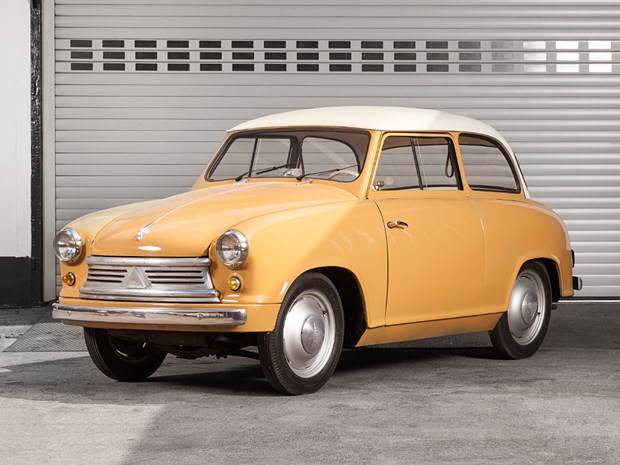
1955 | Lloyd LP 400
Auktion Street Smart: Start your Car Collection, 03.12.2016, 1231
Create search alert
Let yourself be notified as soon as a listing is published that matches your search filters.
Create listing
Do you have a Lloyd LP 400 that you want to sell? Then create a listing now.
Create listingLloyd LP 400 Classic Cars: Prices & Market Values
History of the Lloyd LP 400
Lloyd Motoren Werke GmbH, part of the Borgward Group, launched the Lloyd 400 as a response to the demand for affordable mobility in post-war Germany. Built in Bremen from 1953 to 1957, the LP 400 was aimed at providing reliable, economical transportation for a recovering nation. Its development reflected significant constraints and ingenuity characteristic of its era, allowing thousands of Germans to take their first steps toward independent travel. The LP 400’s compact layout and innovative engineering were direct responses to a market seeking simplicity and affordability.
Model history
Within the Lloyd line-up, the LP 400 marked a step up from earlier Lloyd models focused on cost and accessibility. Before the LP 400, the company produced smaller, less powerful variants; after the LP 400, Lloyd continued evolving its compact cars with improved performance and more amenities. The LP 400 set the stage for later Lloyd models by prioritising practicality and straightforward mechanics over extravagance.
Highlights of the Lloyd LP 400
Among microcars of the 1950s, the Lloyd LP 400 is distinguished by its straightforward engineering and ease of repair. The car’s success is rooted in minimalistic design and mechanical reliability, with simple drivetrain mechanics and a lightweight body. Such features allowed for affordable ownership and running costs. Given that 100% of Lloyd vehicles listed in our supply statistics are LP 400s, this car represents the backbone of Lloyd’s classic car offerings in today’s market.
Technical data
Special Editions and Collectible Models
There are no documented factory special editions of the LP 400 in available records. However, certain surviving cars may feature unique restoration details or period accessories that set them apart for collectors.
Engine and Performance, Transmission and Handling
The LP 400 is powered by a frugal engine designed with simplicity and reliability in mind. Its low weight gives it nimble handling typical for its drivetrain layout, although outright performance remains modest—a characteristic expectation for cars of this class and era. The transmission is known for being easy to operate and repair, contributing to the model’s reputation as an accessible entry point into classic car ownership. The LP 400 is singular in the Lloyd range available on the classic car market today, as represented by our statistics. Its basic specifications continue to appeal to those seeking authentic 1950s German compact car experiences.
Interior, Comfort, Exterior and design
The exterior styling of the LP 400 is utilitarian yet charming—the compact proportions harmonise with concise lines and minimal embellishments. Interior ergonomics are straightforward, with basic seating, uncluttered instrumentation, and materials tailored to economy rather than luxury. Some vehicles may be found with period-correct paint colours or optional accessories such as additional reflecting mirrors or vintage-style wheel covers. The design’s focus is on practical usability, ideal for city driving and easy parking.
Summary
The Lloyd LP 400 stands as a defining model of post-war German automotive history. Its combination of affordable engineering, efficient use of materials, and lasting presence in the market make it a significant choice for enthusiasts interested in the microcar movement of the 1950s. With its dominance in both supply and demand for Lloyd classics, the LP 400 offers a focused glimpse into a unique chapter of motoring heritage.