Leyland Beaver classic commercial vehicles for sale
The Leyland Beaver stands out as a robust British lorry, prized among classic commercial vehicle enthusiasts. With a strong reputation for durability and a rich heritage in transport history, the Beaver is a cornerstone of Leyland’s heavy-duty output.
Search results
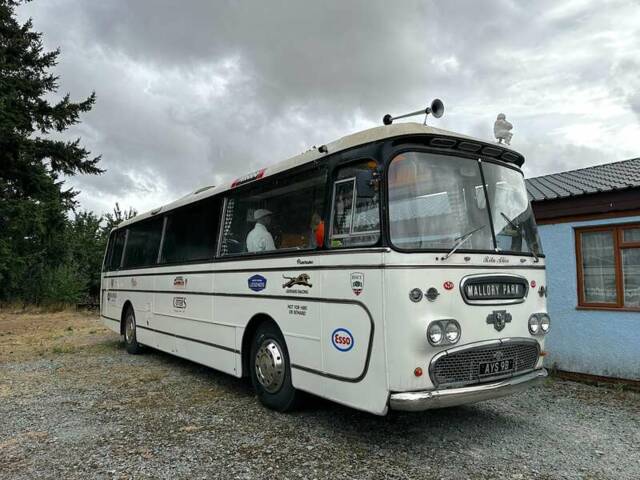
1964 | Leyland Beaver 600
1964 Leyland Leopard Race Transporter

Leyland Beaver listing references from Classic Trader
Below you will find listings related to your search that are no longer available on Classic Trader. Use this information to gain insight into availability, value trends, and current pricing for a "Leyland Beaver" to make a more informed purchasing decision.
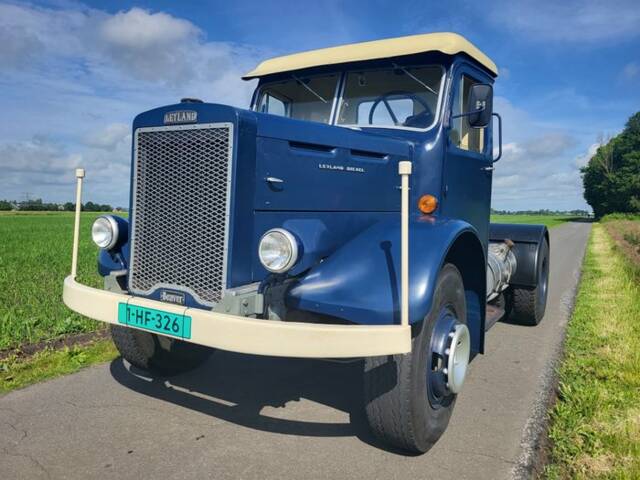
1951 | Leyland Beaver 600
Leyland - Beaver 600 - 1951

Leyland Beaver Classic Cars: Prices & Market Values
History of the Leyland Beaver
The Leyland Beaver, introduced in the early 1930s by Leyland Motors, quickly made its mark within the British and international trucking scene. Designed primarily as a heavy-duty haulage lorry, it played a vital role in freight transport across the UK and abroad. Over several decades, the Beaver formed the backbone of many commercial fleets, especially prior to the era of modern articulated lorries. Its reputation for reliability and simplicity led to widespread use in both civilian and military settings, with various generations produced until the late 1960s.
Model history of the Leyland Beaver
The Leyland Beaver was initiated as a development from earlier Leyland heavy vehicles, intended to offer greater load capacity and improved mechanical robustness. Throughout its production cycle, several engine configurations and chassis improvements were made. Although the Beaver was eventually succeeded by newer models such as the Leyland Octopus and later the Leyland Marathon, it remained a mainstay in many fleets due to the ease of maintenance and part availability. Its distinctive name and capability secured its status in classic British commercial vehicle circles.
Unique Features and Highlights of the Leyland Beaver
Among classic lorries, the Leyland Beaver is especially noted for its generous payload capacity and robust straight-six diesel engines. Its no-frills construction prioritised longevity and mechanical accessibility, making it popular with hauliers who valued reliability over creature comforts. The Beaver’s simple, solid engineering allowed for high mileages with regular maintenance—a trait many classic-truck owners continue to appreciate.
Technical Data of the Leyland Beaver
Special Editions and Collectible Models of the Leyland Beaver
Some iterations of the Leyland Beaver, such as limited-production military variants or export-market adaptations, are considered especially noteworthy among collectors. Also, certain later Beavers with turbocharged engines or rare cab configurations attract attention for their historical and engineering significance.
Weak Spots and Common Issues of the Leyland Beaver
The Beaver is renowned for its ruggedness, but typical issues revolve around age-related corrosion, especially in the cab and subframe. Transmission synchros may wear, and original braking systems require diligent maintenance and upgrades for preservation use. Sourcing original parts can occasionally prove challenging, especially for rarer sub-models or export versions.
Engine and Performance, Transmission and Handling of the Leyland Beaver
Beavers feature traditional diesel power, generally prioritising torque over outright speed. Driving characteristics are distinctly in line with mid-20th-century lorries: slow steering, heavy controls, and manual gear changes define the experience. With suspension tuned for payload rather than comfort, unloaded ride quality can feel uncompromising by contemporary standards. Notable variants include the 680-powered Beavers, prized for their reliable Leyland 680 straight-six diesel engine, and later models with turbocharged units which provided a modest boost in performance. These heavy trucks were typically mated to rugged, multi-speed manual gearboxes providing flexibility across operating scenarios.
Interior, Comfort, Exterior and Design of the Leyland Beaver
Leyland Beavers are marked by their functional, utilitarian design. The cab construction is steel-heavy, optimised for ease of repair and long life, often with minimal consideration for driver comfort by today’s standards. Instrumentation is basic, seats are straightforward, and noise insulation is limited. Aesthetically, earlier models are distinguished by their tall, squared grilles and classic lorry silhouette, which enhance their historic presence at rallies and shows. Options for paint schemes varied widely depending on operator, and individual vehicles often display company-liveried period details and accessories.
Other relevant features
Owing to their workhorse status, many surviving Beavers exhibit unique operator-applied modifications, from auxiliary fuel tanks to bespoke toolboxes and period aftermarket accessories. Surviving models often reflect the working life of the British commercial sector and provide a tangible link to transport heritage.
Summary of the Leyland Beaver
The Leyland Beaver encapsulates the ethos of mid-century British haulage: reliable, strong, and straightforward to maintain. Its prominence on the classic commercial vehicle market, bolstered by complete representation in listings and demand, makes it a definitive example for collectors and enthusiasts interested in heavy-duty vintage trucks.