Kia Picanto classic cars for sale
The Kia Picanto stands out among compact city cars for its efficient use of space, economical engines, and urban adaptability. Produced since 2003 and known under various names worldwide, the Picanto has established itself as a practical and budget-conscious choice for city dwellers, combining South Korean reliability with everyday maneuverability.
Search results
Currently, there are no matching listings for your search.
Create search alert
Let yourself be notified as soon as a listing is published that matches your search filters.
Create listing
Do you have a Kia Picanto that you want to sell? Then create a listing now.
Create listingKia Picanto listing references from Classic Trader
Below you will find listings related to your search that are no longer available on Classic Trader. Use this information to gain insight into availability, value trends, and current pricing for a "Kia Picanto" to make a more informed purchasing decision.
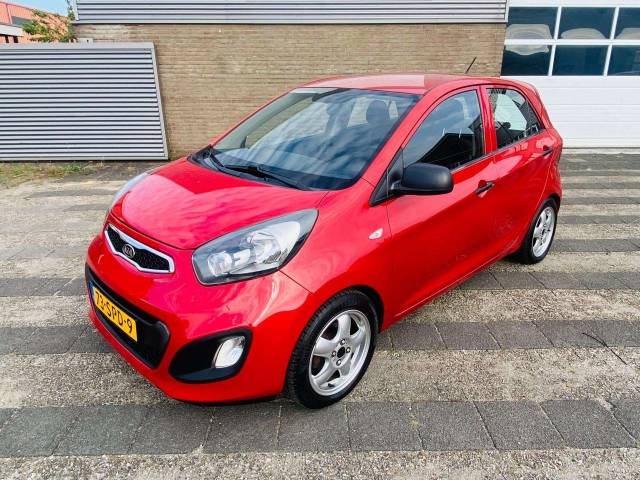
2011 | Kia Picanto 1.2 CVVT
Kia Picanto 1.2 CVVT Comfort Pack Automaat LPG 2011 lees adver
Create search alert
Let yourself be notified as soon as a listing is published that matches your search filters.
Create listing
Do you have a Kia Picanto that you want to sell? Then create a listing now.
Create listingKia Picanto Classic Cars: Prices & Market Values
History of the Kia Picanto
Introduced in 2003, the Kia Picanto marked Kia's entry into the competitive city car segment. Developed with a focus on urban environments, the model offered a compact footprint without sacrificing essential comfort or usability. The Picanto is produced mainly in South Korea at the Donghee joint-venture facility in Seosan, but it is also assembled in several countries from knock-down kits. Its international success is reflected in the different names the Picanto has received, such as Kia Morning in Korea and Naza Picanto in Malaysia, often tailored to local markets. Over the years, the Picanto has continually evolved, adapting to changing safety standards, efficiency requirements, and customer preferences.
Model History
The Kia Picanto debuted as a strategic urban solution for the early 2000s, designed to compete with other small hatchbacks in Europe and Asia. While there was no direct predecessor, the Picanto inherited some mechanical concepts from small Kia models released in the late 1990s. Successive generations brought significant updates in engine efficiency, safety features, infotainment, and cabin refinement. Each facelift and generation addressed feedback from urban drivers, resulting in models tuned for congested city driving and easy parking. The model line continues today with updated styling cues reflective of Kia’s global design language.
Highlights and Market Position
The Kia Picanto differentiates itself through its nimble size, sensible economics, and accessible maintenance. Notably practical for crowded streets and narrow parking spaces, its engineering designed for reliability and low operational costs. The range includes flexible seating, efficient petrol engines, and a focus on user-friendly control layouts.
Technical Data
Special Editions and Collectible Models
Depending on the market, the Picanto has seen special editions such as themed trim levels or models with added technology or design features. These limited runs typically featured exclusive paint colours, improved interior materials, and enhanced equipment, targeting urbanites seeking individuality without sacrificing practicality.
Weak Spots and Common Issues
No specific common weak spots or chronic issues for the Kia Picanto are listed in available documentation. As a rule, maintenance intervals and part availability are known for being user-friendly and affordable. Prospective buyers should follow standard checks for wear on suspension, brakes, and electrical systems, particularly in early models or those with higher mileage.
Engine, Transmission, and Driving Behaviour
Kia Picanto models are tailored for urban mobility, offering responsive handling at low speeds, tight turning circles, and economical engines that prioritise consumption over outright performance. While not designed for speed enthusiasts, its light weight and compact proportions give it an agile, easy-to-park character ideal for city traffic. Popular versions include those equipped with efficient 1.0- and 1.2-litre petrol engines, appreciated for their low fuel consumption and reliability. Manual transmission variants are often chosen for the greatest control and cost-effectiveness in daily use.
Interior, Comfort, Exterior, and Design
The Picanto is defined by a utilitarian yet surprisingly spacious interior, modernised through successive updates. Noteworthy are features like fold-flat rear seats, compact digital infotainment options in newer versions, and thoughtful storage. Some special editions showcased unique paint colours and higher-grade interior finishes. Externally, the Picanto’s short overhangs and high roofline maximise usable space while its evolving front-end design mirrors Kia’s current stylistic direction. Optional accessories range from factory alloys to upgraded audio systems, adapting the city car’s minimalist strengths to unique personal tastes.
Other notable features
Across global markets, the Picanto has adopted locally specific features or badges, adapting to tax incentives, safety regulations, and urban infrastructure. For example, Philippine or Malaysian market versions may include unique badging or different standard equipment packages, reflecting a truly international approach to the city car concept.
Summary
The Kia Picanto is a thoroughly practical city car with a production run dating back to 2003, occupying a unique niche for Kia on the classic car market. Its broad international reach, variety of local editions, and reputation for low-cost operation make it a rational, accessible entry point for anyone looking to own or maintain a classic-era urban compact.