Iveco Eurofire classic vehicles for sale
The Iveco Eurofire is a fire engine chassis well-known for its robust engineering and practical design, specifically tailored for deployment in demanding fire and rescue operations. This model series reflects Iveco's dedication to creating purpose-built emergency vehicles for professional use.
Search results
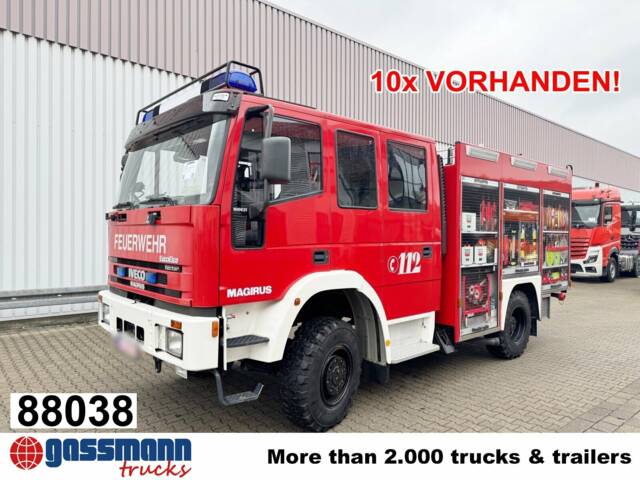
2002 | Iveco Eurofire FF 100 EW
EuroFire FF 100 E 21 WR tector 4x4 Feuerwehr

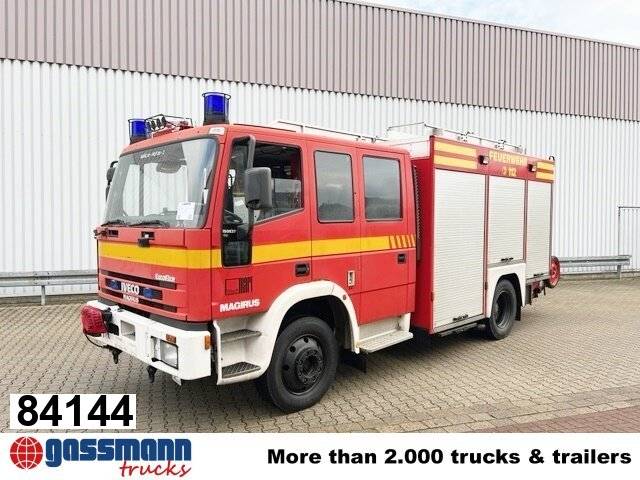
2000 | Iveco Eurofire FF 150 E 27
FF 150 E 27 4x2 Doka, Euro Fire, TLF, Feuerwehr,
Iveco Eurofire listing references from Classic Trader
Below you will find listings related to your search that are no longer available on Classic Trader. Use this information to gain insight into availability, value trends, and current pricing for a "Iveco Eurofire" to make a more informed purchasing decision.
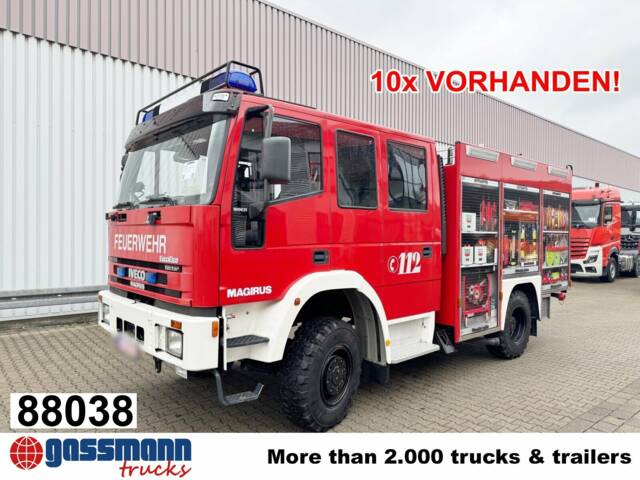
2002 | Iveco Eurofire FF 100 EW
EuroFire FF 100 E 21 WR tector 4x4 Doka, LF 8/6
Iveco Eurofire Classic Cars: Prices & Market Values
History of the Iveco Eurofire
The Iveco Eurofire originated as part of Iveco's focus on creating and supplying specialised vehicles for emergency services. Developed in partnership with firefighting equipment manufacturers, the Eurofire chassis was engineered to provide high levels of reliability and flexibility in challenging conditions. The series was introduced at a time when fire brigades across Europe needed modern vehicles with improved safety, durability, and adaptability for different firefighting module builds. The Eurofire inherited key mechanical traits from Iveco's heavy-duty commercial trucks but received unique modifications to meet rigorous emergency service requirements.
Model History of the Eurofire Series
The Eurofire model range built upon Iveco's proven commercial vehicle platforms, offering a dedicated chassis primarily for mounting firefighting bodies. Earlier Iveco chassis served as the base for various fire appliance configurations, but the Eurofire introduced a more unified solution with standardised features specific to fire and emergency usage. Over the years, incremental updates improved performance, safety, and compatibility with latest fire suppression technologies. The Eurofire line was produced for fire brigades looking for a reliable and easily serviceable base for bespoke firefighting vehicle builds.
Highlights of the Iveco Eurofire Series
A defining feature of the Eurofire is its combination of a sturdy frame and customisable layout, which allowed numerous bodybuilders to create specialist fire tenders, water carriers, or rescue vehicles. Key highlights include its compatibility with advanced firefighting and rescue modules, high load capacity, and ease of maintenance in field conditions. The cab design allowed for rapid firefighter deployment and accommodated necessary communication and safety systems. Eurofire models are also valued for their availability of spare parts, stemming from their roots in standard Iveco truck technology.
Technical Data
Special Editions and Collectible Models
The Eurofire's uniqueness stems from the diversity of specialist body installations added by external manufacturers rather than factory 'special editions.' Certain vehicles equipped with rare rescue modules or historic firefighting apparatus may be particularly sought after by enthusiasts, but no manufacturer-limited editions are documented in the data provided.
Engine and Performance, Transmission and Handling
The Eurofire's underpinnings are derived from Iveco's proven commercial truck series, ensuring strong engine output paired with resilience for demanding conditions. Diesel engines used across the range offer a blend of high torque and longevity, essential for emergency vehicles often operated under full load. The transmission, normally available as manual or automatic, is selected according to intended duty cycle and operational needs. Handling is tailored for stable progression through varied terrain while fully equipped, and the braking systems are designed for safe operation under maximum payload. Eurofire variants most often seen in classic vehicle listings include models equipped for water pumping and rescue, often specified with mid-range diesel engines (150-240 hp) and reinforced chassis for additional structural support.
Interior, Comfort, Exterior and Design
Eurofire cabins are designed with utility in mind, featuring easy-to-clean surfaces, robust seating for crew members, and provisions for communication equipment and personal protective gear. The focus is on function, with spacious interiors enabling rapid crew movement. Externally, standard Eurofire chassis are most distinguished by their adaptability—bodywork styles depend on the mission brief, from classic ladder appliances to heavy water tenders. Special features include high-visibility finishes and mounting points for rescue equipment. Optional accessories—such as extra sirens, blue light arrays, and reinforced bumpers—are commonly specified, depending on the deploying brigade.
Summary
The Iveco Eurofire represents a focused approach to emergency vehicle engineering—combining reliable truck technology with fire-specific adaptations. With every listing in its category dedicated to this series, it is particularly significant for those interested in classic, service-grade firefighting vehicles tailored for professional deployment and historical preservation.