Iveco A70 classic cars for sale
The Iveco A70 stands out as a robust and practical classic commercial vehicle, sought after by collectors and enthusiasts who appreciate its utilitarian design and reliable engineering. Whether you're interested in its historical significance or looking for a restoration project, the A70 offers a unique insight into Italian automotive craftsmanship of its era.
Search results
Currently, there are no matching listings for your search.
Create search alert
Let yourself be notified as soon as a listing is published that matches your search filters.
Create listing
Do you have a Iveco A70 that you want to sell? Then create a listing now.
Create listingIveco A70 listing references from Classic Trader
Below you will find listings related to your search that are no longer available on Classic Trader. Use this information to gain insight into availability, value trends, and current pricing for a "Iveco A70" to make a more informed purchasing decision.
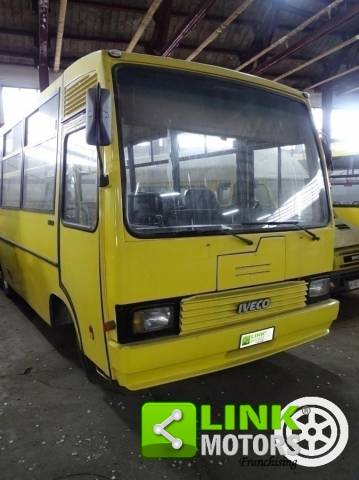
1990 | Iveco A70
SCUOLABUS IVECO FIAT A70
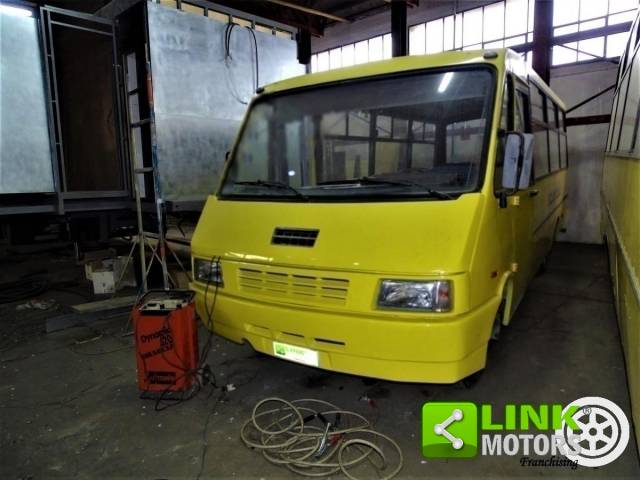
1993 | Iveco A70
SCUOLABUS IVECO FIAT 49.10
Create search alert
Let yourself be notified as soon as a listing is published that matches your search filters.
Create listing
Do you have a Iveco A70 that you want to sell? Then create a listing now.
Create listingIveco A70 Classic Cars: Prices & Market Values
History of the Iveco A70
The Iveco A70 emerged during a transformative period in the commercial vehicle sector, representing Iveco's commitment to functionality and durability. Developed with utilitarian needs in mind, the A70 capitalised on post-war industrial growth, serving as a dependable partner for businesses across Europe. Its introduction contributed to consolidating Iveco’s position as a go-to manufacturer for practical, no-nonsense vehicles aimed at both small business owners and larger fleets. The model reflects the evolution of commercial transportation philosophies of its time, emphasising ease of maintenance and adaptability for various commercial applications.
Model Range and Evolution
The A70 was positioned as a mid-sized commercial vehicle within Iveco’s lineup, bridging the gap between lighter utility vehicles and larger trucks. Its model lineage is intertwined with the evolution of the European light truck sector, succeeding earlier Fiat and OM-badged vehicles before becoming part of the wider Iveco range post-1975. Main competitors in its era included light trucks from Mercedes-Benz and Ford, with the A70 appealing especially to those needing a configurable chassis and body solutions. Successor models benefited from technological progress in powertrains and cabin comfort, but the A70 remains prized for its mechanical simplicity and ease of repair.
Highlights and Unique Features
The A70’s construction prioritised straightforward mechanics, making it accessible to owners interested in do-it-yourself repairs. Its rugged ladder frame and diverse body configurations—ranging from panel van to flatbed—ensured widespread usage in delivery, municipal, and tradesman roles. Iveco’s choice of reliable engines contributed to its reputation for longevity, and the spartan interior reflected a focus on practicality over luxury.
Technical Data
Special Editions and Collectible Models
There are no widely documented special or limited editions of the Iveco A70. Most variants were tailored to specific commercial uses rather than produced as special collector's models. However, custom-bodied versions or those in particularly good original condition may be regarded as more desirable by collectors today.
Engine, Performance and Handling
The A70’s performance can be characterised by its focus on workhorse reliability over speed or agility. Engines—primarily diesel—were engineered for robustness and fuel efficiency, delivering moderate power with substantial torque suited for urban deliveries and light hauling. Suspension and steering remained simple, prioritising load capacity and ease of service. Compared to modern vehicles, noise insulation and comfort were limited, but in its era, the A70 offered a trusted, effective logistics tool. Frequent configurations included the standard chassis cab and multi-purpose flatbed variants, often chosen by utility companies and craftsmen for their adaptability and cost-efficiency.
Interior, Comfort, Exterior and Design
The cabin of the Iveco A70 was designed around ergonomics and simplicity, with hard-wearing vinyl seats and large, easy-to-clean surfaces—crucial for daily working conditions. Externally, the boxy silhouette maximised load space while ensuring maintenance access was straightforward. Accessories such as auxiliary lighting, tow bars, or bespoke tool racking were often installed by owners. Original colour choices were typically restrained, favouring utility over aesthetics, but surviving examples may now showcase period-correct liveries or household business branding.
Other Noteworthy Features
Due to limited electronic components, roadside repairs were manageable—a fact highly valued in classic vehicle circles. Vehicles like the A70 are especially attractive to enthusiasts who value direct mechanical interaction over computer-controlled diagnostics.
Summary
The Iveco A70 is a practical snapshot of mid-20th century European commercial vehicle design. Its utilitarian approach, straightforward engineering, and broad adaptability make it a compelling choice for those passionate about classic utility vehicles. Ideal for restoration or functional classic use, the A70 continues to appeal to a niche audience who admire honest, purpose-built automotive engineering.