Iveco 315 classic car for sale
The Iveco 315 stands out in the world of commercial vehicles as a robust and versatile model, representing the transition of Italian bus manufacturing into the modern era. As a sought-after entry from Iveco's history, this series not only serves as a testament to Italian engineering but also to the evolution of passenger transport. Discover more about its technical features, highlights, and the role it played in public transit below.
Suchergebnisse
Zur Zeit sind keine passenden Inserate zu Ihrer Suche veröffentlicht.
Create search alert
Let yourself be notified as soon as a listing is published that matches your search filters.
Create listing
Do you have a Iveco 315 that you want to sell? Then create a listing now.
Create listingIveco 315 listing references from Classic Trader
Below you will find listings related to your search that are no longer available on Classic Trader. Use this information to gain insight into availability, value trends, and current pricing for a "Iveco 315" to make a more informed purchasing decision.
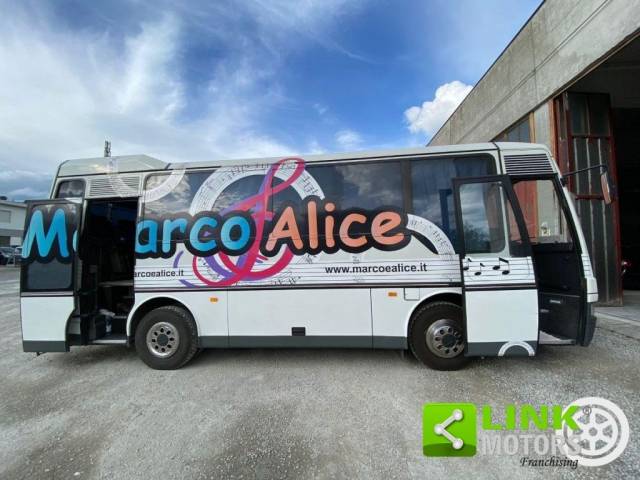
1994 | Iveco 315S.8.18 T Orlandi
IVECO IVECO-FIAT-315-8-18
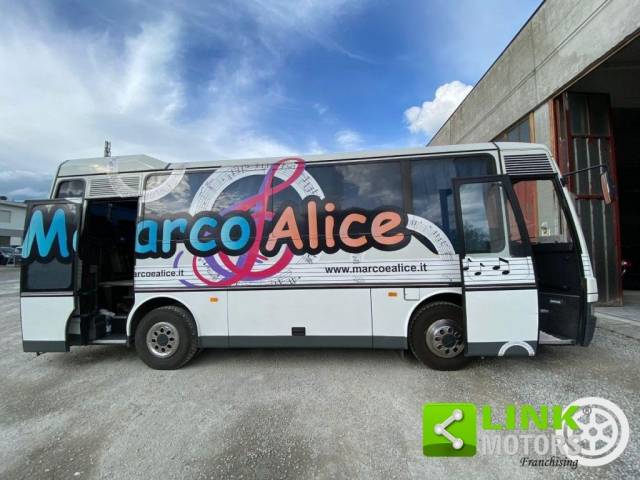
1994 | Iveco 315S.8.18 T Orlandi
IVECO IVECO-FIAT-315-8-18
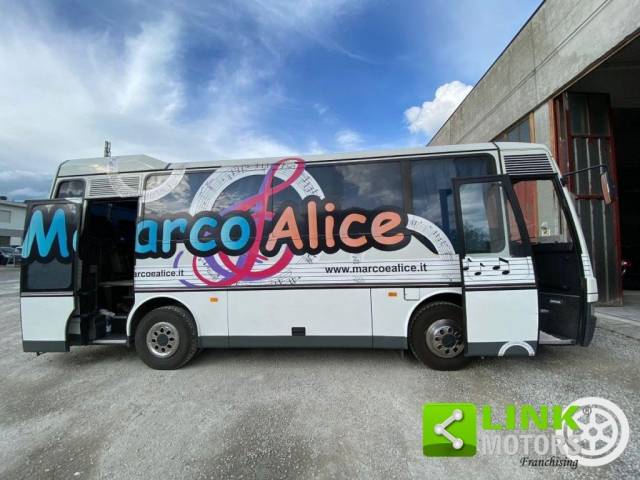
1994 | Iveco 315S.8.18 T Orlandi
IVECO Other IVECO-FIAT-315-8-18
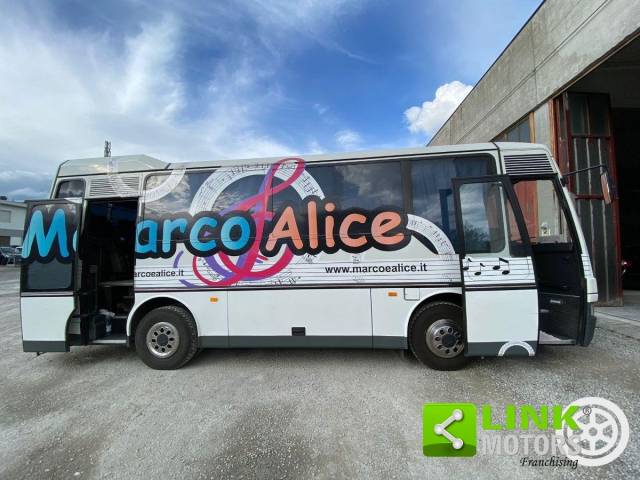
1994 | Iveco 315S.8.18 T Orlandi
IVECO FIAT 315 8 18 Orlandi Sicca
Create search alert
Let yourself be notified as soon as a listing is published that matches your search filters.
Create listing
Do you have a Iveco 315 that you want to sell? Then create a listing now.
Create listingIveco 315 Classic Cars: Prices & Market Values
History of the Iveco 315
The Iveco 315 traces its roots to the long-standing tradition of Italian bus manufacturing. Originally, the brand behind the 315 was known for pioneering advancements in both commercial and passenger transport solutions. With the formation of Iveco Bus, headquartered in Turin, the model gained brand-wide prominence. The 315 contributed to establishing a new standard for buses at the time of its introduction, bringing together durable construction and Italian automotive expertise. Its story is closely linked to the broader development of Iveco as a leading player in commercial vehicles, further cementing the 315’s place in transport history.
Model History of the Iveco 315
Set between traditional Italian bus designs and modern mass transport, the Iveco 315 marks a significant phase in bus evolution. With its introduction, it became one of the first to benefit from the consolidated manufacturing capabilities under the Iveco name. As the company expanded its reach, the 315 served as a reference point for subsequent models that further refined passenger capacity, comfort, and operational efficiency. While direct predecessors carried different branding, the 315’s focus on modularity and adaptability set the stage for its successors, particularly in urban transit settings.
Highlights of the Iveco 315
One notable feature of the Iveco 315 is its adaptability for diverse public transport needs. The model’s flexible platform allowed for various body configurations, accommodating differing urban and intercity transport requirements. Mechanical robustness, combined with service-friendly design, has resulted in many 315 units remaining serviceable decades after their initial production. The streamlined maintenance workflow also attracted public and private operators across Europe.
Technical Data of the Iveco 315
Special Editions and Collectible Models
No specific limited editions or commemorative models of the Iveco 315 are documented within available official sources. Instead, the uniqueness of each 315 often results from custom bodywork and modifications performed by bus builders to individual operator specifications. These one-offs contribute to the model’s diversity in appearance and functionality.
Weak Spots and Common Issues
Information regarding known weak spots for the Iveco 315 is not documented in shared sources. Owing to the vehicle's utilitarian nature and long service history, areas of concern for potential buyers typically include corrosion on structural components, wear in driveline assemblies, and fatigue in suspension elements, all reflective of age and kilometre accumulation rather than inherent design weaknesses.
Engine and Performance, Transmission and Handling
The Iveco 315 focuses on operational reliability and ease of use on both urban and intercity routes. Engine choices prioritised durability and fuel efficiency, delivering dependable performance under heavy usage. Manual transmissions were standard, engineered for smooth gear changes even under load. The chassis and suspension geometry provided stable handling and predictable braking, crucial for public service vehicles. Overall, the 315 set the benchmark for comfort and economy in its operating class. The Iveco 315 itself is the primary variant of interest based on our supply and demand statistics. Notable configurations include differing lengths and seating capacities, adjusted by body manufacturers to meet operator needs.
Interior, Comfort, Exterior and Design
The design of the Iveco 315 is defined by function and modularity rather than embellishment. Bodywork often varied significantly, as third-party coachbuilders would tailor exterior styling to the needs of regional operators, leading to wide variation in window layouts, seating configurations, and boarding arrangements. The interior typically prioritised robustness and straightforward maintenance with durable materials. Specialist variants occasionally featured enhanced seating or livery details for long-distance comfort or special-service routes. Original factory accessories were minimal, yet many operators fitted the 315 with supplementary lighting, improved ventilation, or custom instrument housings to suit passenger and driver requirements.
Other Notable Features
Aspects not detailed above include the versatility of the 315 platform. The model's underpinnings supported conversions for uses beyond passenger transport, such as school buses, mobile libraries, and specialised municipal vehicles. This adaptability contributed to its longevity and continued interest among collectors and restorers.
Summary
The Iveco 315 holds an exceptional place in classic commercial vehicle circles, being both the focal point of the Iveco Bus legacy and a unique representation of Italian know-how in transport design. With every listing and market view currently focused on this model, interest remains strong, reflecting its adaptability, durability, and historical significance in European passenger transit.