Invicta 4.5 Litre A-Type classic cars for sale
The Invicta 4.5 Litre A-Type stands out among pre-war British high-performance cars, admired for its 6-cylinder Meadows engine, aluminium and steel coachwork, and reputation for reliability. Vehicles of this type have a proven pedigree at major vintage events and are noted for their participation in both endurance records and concours d’elegance.
Search results
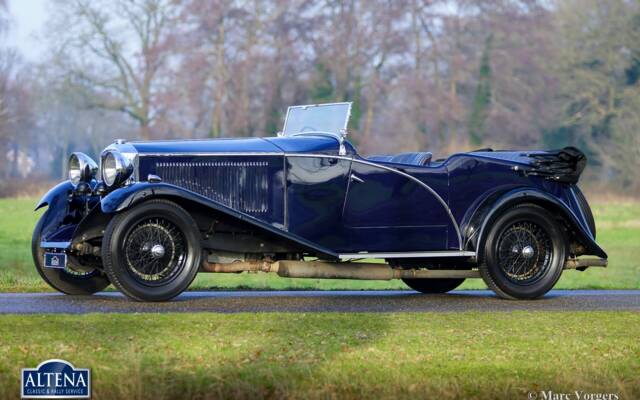

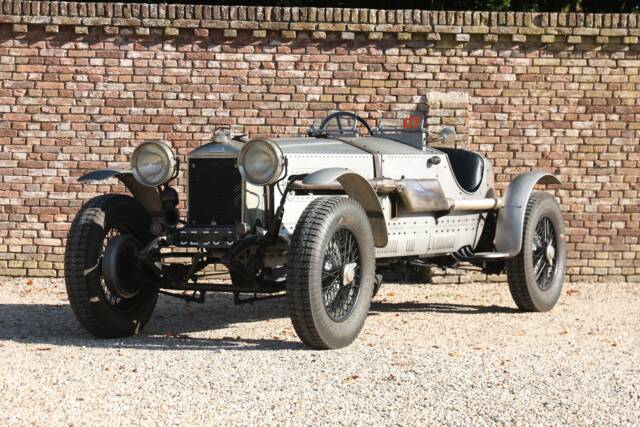
1927 | Invicta 4.5 Litre A-Type High Chassis
Invicta LC 4.5 Litre High Chassis "Meadows Special" "In the 1930s Invicta owners gave their cars nicknames - What will you call this Invicta in your garage?",Rebuilt on 3 Litre chassis by Jan Apel - Known among connoisseurs,"Great job done", With clear Dutch registration - no doubts about it,"At the time the High Chassis LC-Type Invicta's were known as true-blue and extremely fast race cars - Not for every driver",Just stunning,
Invicta 4.5 Litre A-Type listing references from Classic Trader
Below you will find listings related to your search that are no longer available on Classic Trader. Use this information to gain insight into availability, value trends, and current pricing for a "Invicta 4.5 Litre A-Type" to make a more informed purchasing decision.
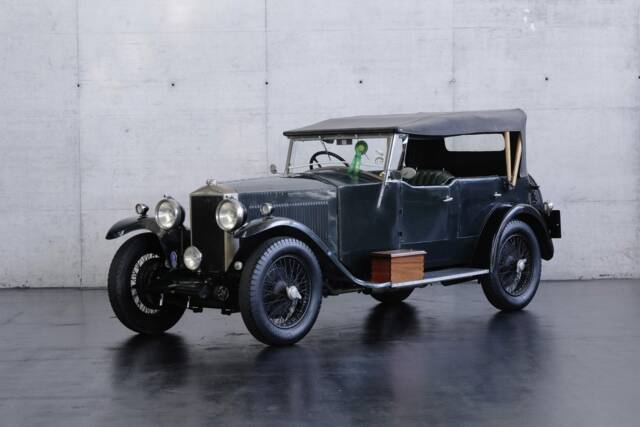
1928 | Invicta 4.5 Litre A-Type High Chassis
1928 Invicta 4,5 Tourer

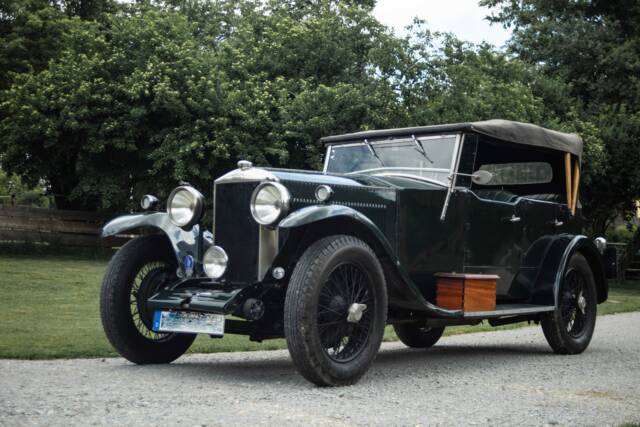
1928 | Invicta 4.5 Litre A-Type High Chassis
Mille Migla participant

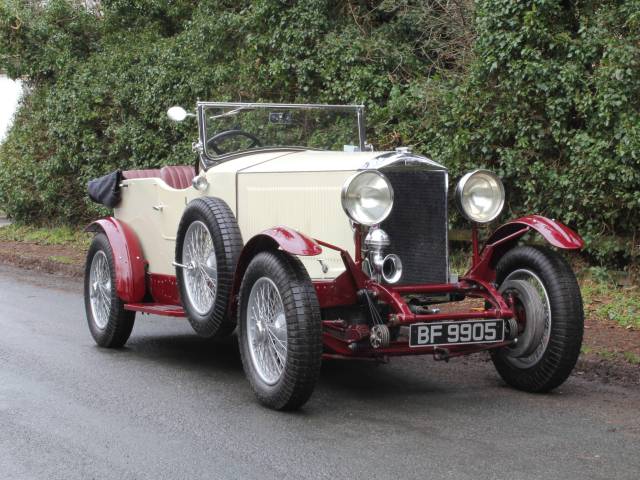
1930 | Invicta 4.5 Litre A-Type High Chassis
1930 Invicta 4.5 Litre High Chassis Tourer

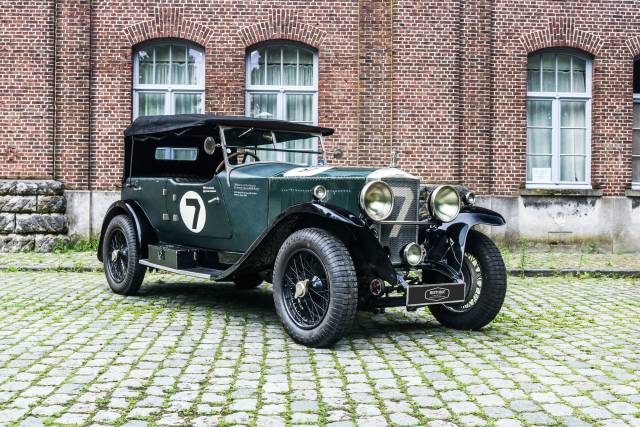
1928 | Invicta 4.5 Litre A-Type High Chassis
The only one Invicta Le Mans Team Car!

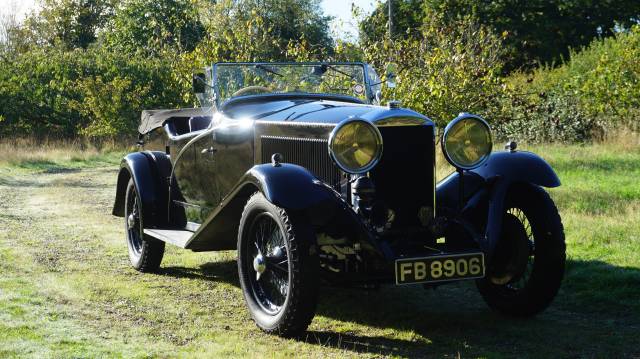
1930 | Invicta 4.5 Litre A-Type High Chassis
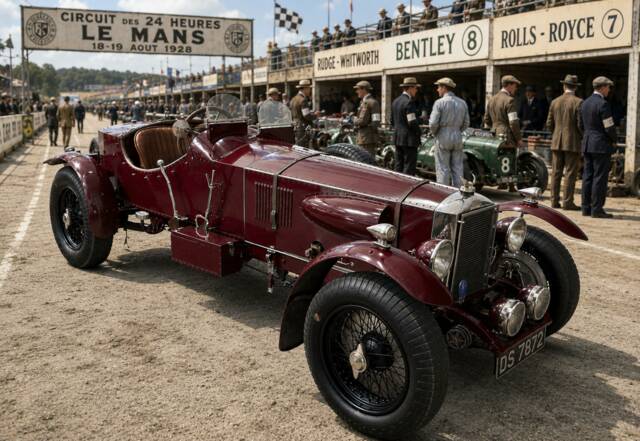
1928 | Invicta 4.5 Litre A-Type High Chassis
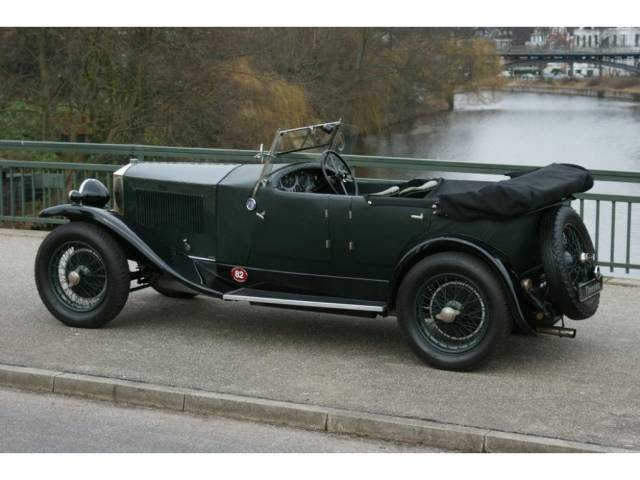
1928 | Invicta 4.5 Litre A-Type High Chassis
1928 Invicta 4,5 l High Chassis Tourer
Invicta 4.5 Litre A-Type Classic Cars: Prices & Market Values
History of the Invicta 4.5 Litre A-Type
Invicta emerged as an innovative British brand in the mid-1920s, founded by Noel Macklin with financial support from Oliver Lyle. Initially based in Cobham, Surrey, Invicta quickly gained recognition for crafting robust, powerful automobiles tuned for both touring and sport. The 4.5 Litre A-Type is particularly connected to the era’s thirst for speed and endurance, especially after driver Violet Cordery set a 100 mph average over 24 hours at Le Mans, earning the Dewar Trophy. The marque relocated to Chelsea in 1933, ending its principal phase a few years later. Nevertheless, the Invicta spirit and reliability continued to resonate at racing and touring events globally.
Model Series Development
The Invicta 4.5 Litre A-Type, often referred to as the High Chassis, marked Invicta’s zenith in engineering. Succeeding earlier straight-six and smaller displacement cars, the 4.5 Litre A-Type solidified the brand’s reputation for speed and endurance. Coachbuilders like CORSICA tailored a range of body styles, often finished with an aluminium body and steel wings. The model’s reliability and performance ensured its ongoing participation in prestigious events, and many owners have proudly retained original engine and chassis numbers, preserving authenticity. The High Chassis design distinguishes it from its successors and later Invicta projects.
Highlights of the Invicta 4.5 Litre A-Type
The Invicta 4.5 Litre A-Type is notable for its blend of reliable performance, high-quality coachwork, and rich motorsport history. Duplicated ignition systems (coil and magneto), an aluminium body, and robust appointments like thick carpets and leather upholstery contribute to its distinctive character. Participation in vintage competitions such as Brooklands, Le Mans, and globally recognised concours events reinforce its status in the classic car world. In current UK supply and demand statistics, vehicles of this manufacturer code account for 100% of the Invicta listings and views, confirming its role as the focal model for the marque in today’s classic marketplace.
Technical Data
Special Editions and Notable Variants
Several unique versions of the 4.5 Litre A-Type exist, distinguished by custom coachbuilders such as CORSICA, and individual competition histories. Cars with significant race or event provenance are particularly notable, including the A-Type driven by Violet Cordery for the record-breaking 24-hour run at Le Mans. Vehicles retaining matching numbers, especially those with documented participation in events like the Brooklands Double Twelve or Pebble Beach Concours, are especially sought after by collectors.
Weak Spots and Common Issues
No manufacturer-specific weak spots were documented. Like many high-performance pre-war cars, the Invicta 4.5 Litre A-Type demands regular attention to the ignition system, coachwork, and running gear. Ensuring originality—such as engine and chassis numbers—remains crucial for maintaining both reliability and value. Active membership in the Invicta Owner’s Club supports ongoing preservation and maintenance best practices.
Engine, Transmission and Driving Experience
Powered by a robust 6-cylinder Meadows engine, the A-Type delivers reliable speed and dynamic road holding for its period. The dual ignition system enhances starting and running at both low and high speeds. With a reputation for being both quick and durable, it is as comfortable on long-distance rallies as at high-profile concours events. The high chassis construction imparts stability, while the four-speed manual offers engagement for vintage motoring purists. - 4.5 Litre A-Type by CORSICA: Often seen with four-seater tourer bodies, renowned for their event history and original configurations.
- Notable original examples: Especially those with participation in historic events or media appearances, such as those shown on BBC Top Gear.
Interior, Comfort, Exterior and Design
The Invicta 4.5 Litre A-Type is distinguished by its high chassis stance and bespoke coachwork, typically featuring an aluminium body and steel wings. Interiors were appointed with leather seating and thick carpets for comfort, paired with a practical convertible top and tonneau cover for weather versatility. Coachbuilders like CORSICA often provided unique details based on buyer specification, and accessories such as period-correct lighting, instrumentation, and badges enhance authenticity.
Other Notable Features
The Invicta Owner’s Club remains active and provides essential resources for current and aspiring owners. The enduring participation of A-Type Invictas at prestigious events such as Le Mans and Pebble Beach reflects their ongoing relevance. Many examples possess desirable 'matching numbers,' supporting continued historic eligibility and valuing originality.
Summary
The Invicta 4.5 Litre A-Type epitomises British pre-war engineering: a car built for speed, endurance, and individuality. With every listed and viewed Invicta today being of this model type, its importance in both history and today’s market is clear. Distinctive coachwork, proven reliability, and a storied competition pedigree ensure it remains a cornerstone of vintage motoring culture.