- Car
- Invicta (7 offers)
Invicta Classic Cars for Sale
Invicta stands as one of Britain’s most celebrated historic marques, renowned for combining robust engineering, local craftsmanship, and rare sporting performance. From early successes in endurance events to a brief post-war resurgence, Invicta’s limited production numbers and iconic chassis options continue to attract dedicated classic enthusiasts and motorsport collectors alike.
Search results
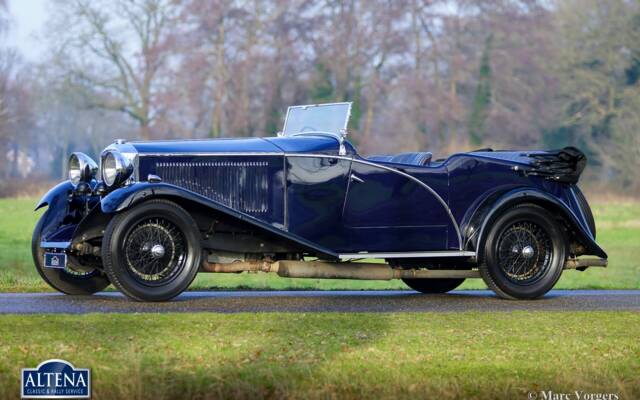

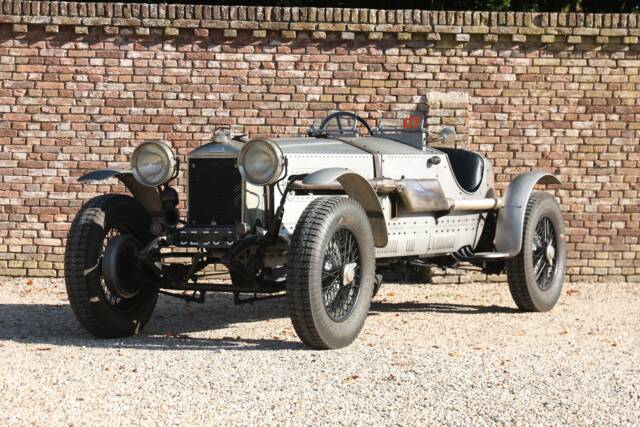
1927 | Invicta 4.5 Litre A-Type High Chassis
Invicta LC 4.5 Litre High Chassis "Meadows Special" "In the 1930s Invicta owners gave their cars nicknames - What will you call this Invicta in your garage?",Rebuilt on 3 Litre chassis by Jan Apel - Known among connoisseurs,"Great job done", With clear Dutch registration - no doubts about it,"At the time the High Chassis LC-Type Invicta's were known as true-blue and extremely fast race cars - Not for every driver",Just stunning,
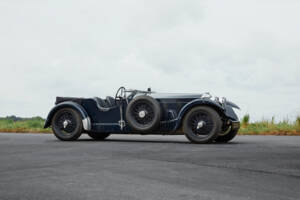
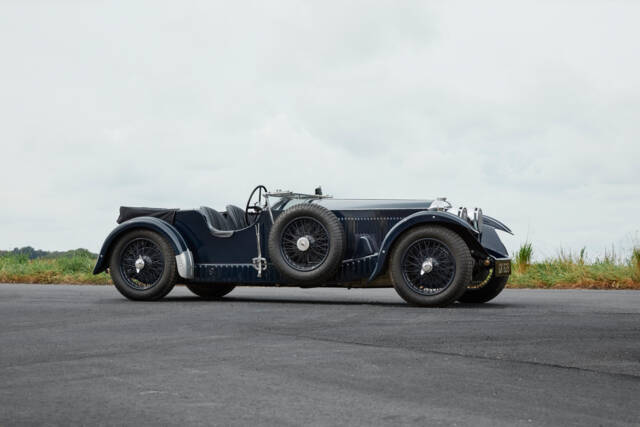
1930 | Invicta 4.5 Litre S-Type Low Chassis
Low Chassis Type S build from Type A. A superb vintage car in mint condition.


Newsletter
The best Invicta listings, straight to your inbox
Get hand-picked Invicta listings, plus the best of cars, motorbikes, and auctions on Classic Trader — all in one place.

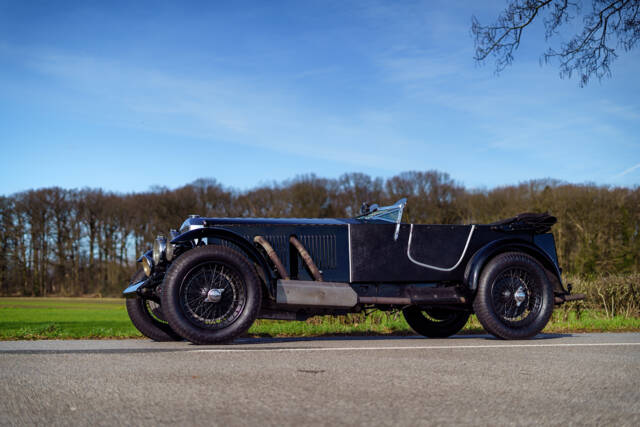
1931 | Invicta 4.5 Litre A-Type High Chassis
4 ½ litre Sports Tourer

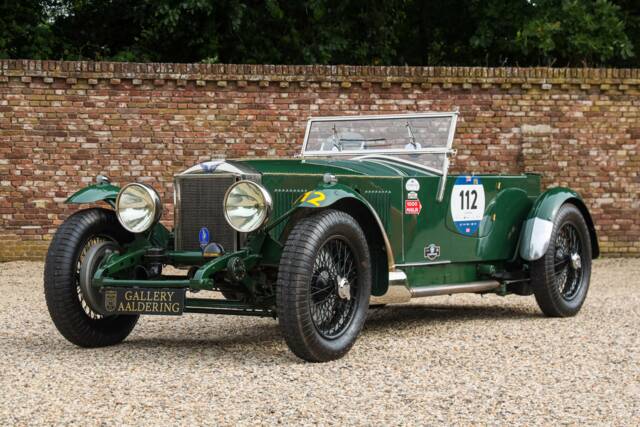
1932 | Invicta 4.5 Litre S-Type Low Chassis
Invicta 4 ½-Litre Low Chassis S-Type Complete restoration and rebuild to "S-Type" specifications, Under expertise of Vintage Car expert Rob Pollock in the UK, Further perfected in past decenia by last owner, Former Mille Miglia participant in 2018, Few years ago complete engine overhaul by well-known specialist in the Netherlands, "Driving without concessions as it was intended back then"
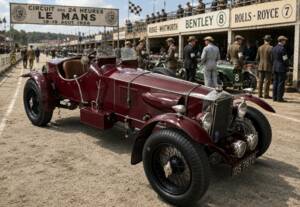
Invicta listing references from Classic Trader
Below you will find listings related to your search that are no longer available on Classic Trader. Use this information to gain insight into availability, value trends, and current pricing for a "Invicta" to make a more informed purchasing decision.
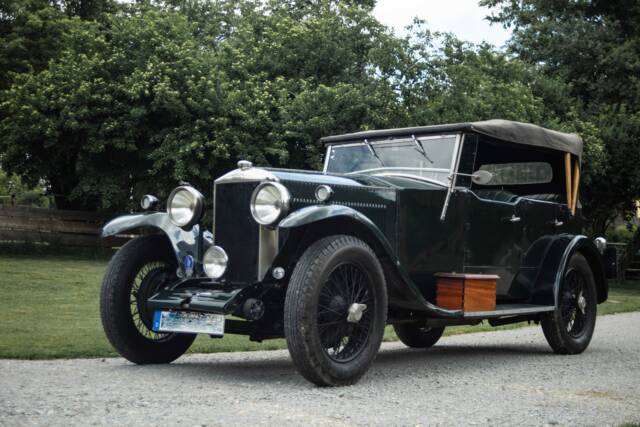
1928 | Invicta 4.5 Litre A-Type High Chassis
Mille Migla participant
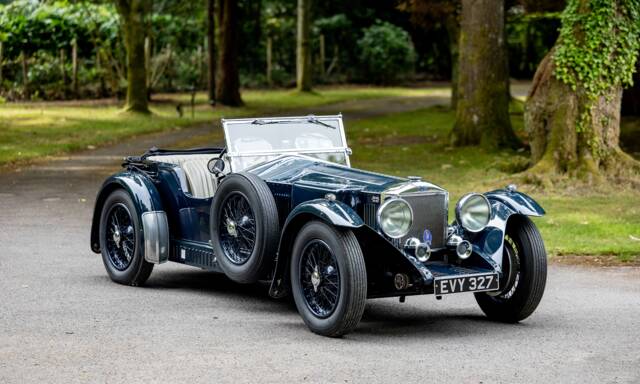
1933 | Invicta 4.5 Litre S-Type Low Chassis
1933 Invicta S-Type Low Chassis Continuation
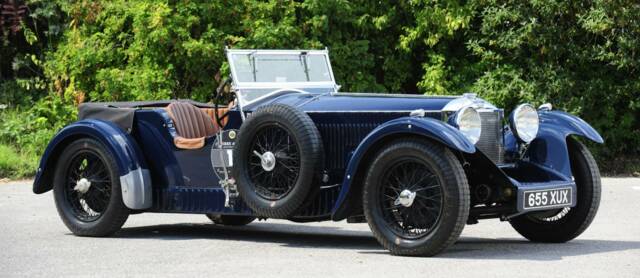
1936 | Invicta 4.5 Litre S-Type Low Chassis
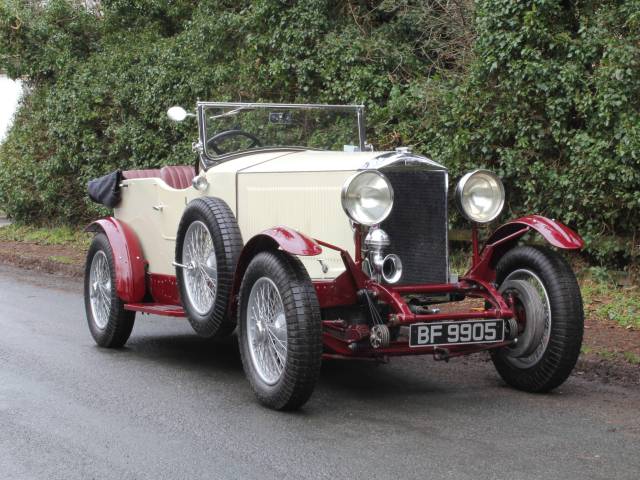
1930 | Invicta 4.5 Litre A-Type High Chassis
1930 Invicta 4.5 Litre High Chassis Tourer
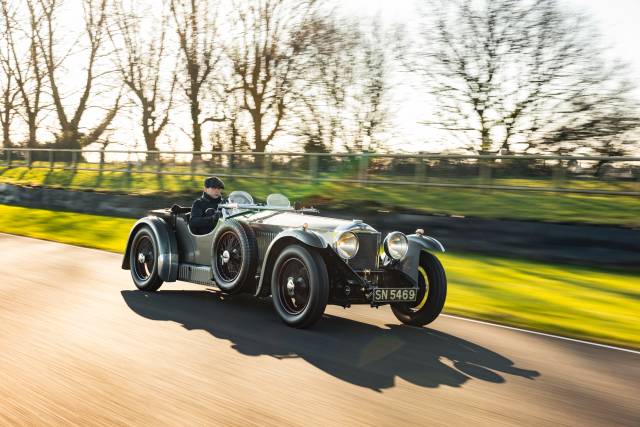
1931 | Invicta 4.5 Litre S-Type Low Chassis
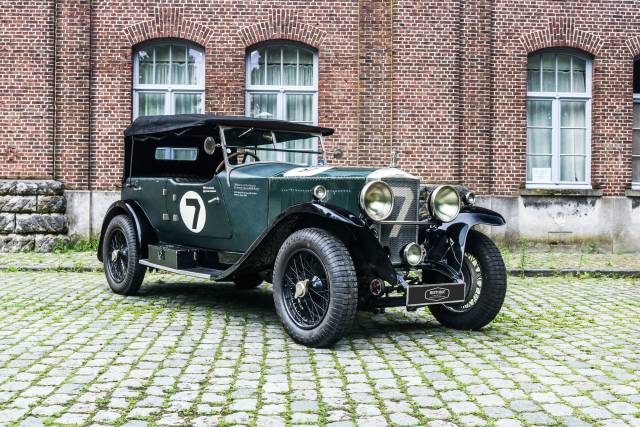
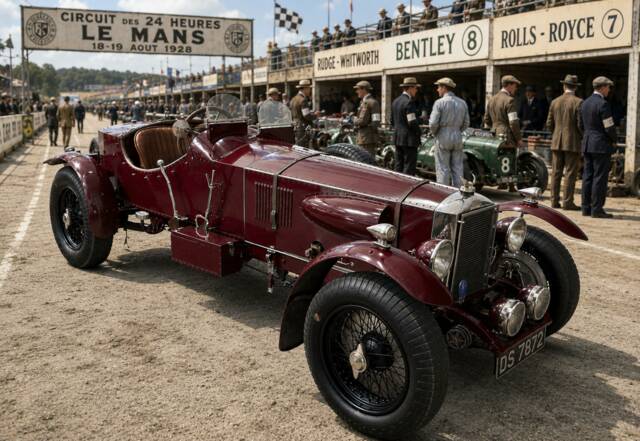
1928 | Invicta 4.5 Litre A-Type High Chassis
The only one Invicta Le Mans Team Car!

Invicta: A British Engineering Story
Founded in 1925 by Noel Macklin with financial support from Oliver Lyle, Invicta quickly positioned itself as a maker of high-performance British luxury vehicles. Based initially in Cobham, Surrey and later Chelsea, London, Invicta established a reputation for robust, reliable six-cylinder machines designed for both road and competition use. The key turning points in Invicta’s history include the debut of their 2.5 Litre Meadows-engined model, growth to 3 and then 4.5 Litre options, and numerous successes in endurance and rally events – notably Donald Healey’s victory in the Monte Carlo Rally 1931 with an Invicta S-Type. Production ceased in 1937 but was revived in 1946 with the Black Prince; this ultra-rare limited-run model was produced in Virginia Water until 1950. Another brief resurgence occurred in the 21st century, producing high-performance models, but the marque's operations ultimately concluded in 2012.
Model Series Evolution
Invicta’s production began with the 2.5 Litre model in 1925, available in multiple chassis variants. The evolution continued with the 3 Litre (1926–1929) and 4.5 Litre (1928–1934) variants, which offered both high and low chassis options suited for sporting or touring applications. The 1930 London Motor Show unveiled the S-Type – a low chassis sports car, of which 75 were built, achieving both competition and market acclaim. The L-Type, a 1.5 Litre attempt, didn’t progress beyond prototype due to unsatisfactory performance. Postwar, the Black Prince embodied innovation with its aluminium body, but production costs limited numbers to just 16 units. The modern era saw Invicta’s S1 supercar with advanced carbon fibre construction, marking the brand's final chapter.
Defining Characteristics and Market Data
Invicta cars are hallmarked by hand-built, durable construction, original Meadows engines, and sporting suspension geometries. Their historic participation in events like Le Mans and the Mille Miglia, driver associations with Violet Cordery and Donald Healey, and bespoke bodywork by houses such as Corsica and Cadogan distinguish them. Invicta’s continuing presence in classic motorsport and their eligibility for prestigious events—like the Pebble Beach Concours d’Elegance—add to their appeal.
Technical Data
Special Editions and Collectible Models
Among the rarest Invicta models, the 1946–1950 Black Prince is especially notable; only 16 were built, including three prototypes. Each was delivered with an aluminium body and bespoke trim, reflecting the postwar optimism and craftsmanship unique to Invicta. The modern S1, produced in the early 2000s, featured a one-piece carbon fibre body and was marketed as an advanced British supercar.
Engine, Transmission, and Driving Experience
Invicta engines, especially the 4.5 Litre units, provided remarkable midrange torque and the flexibility to accelerate from stationary in top gear—an unusual trait for the time. The S-Type’s low chassis delivered stable, nimble handling at both slow and high speeds, contributing to numerous rally and endurance victories. Transmission was typically manual, with robust clutch assemblies and precision linkages. - 4.5 Litre A-Type: Meadows 4.5L straight-six, aluminium body, known for endurance reliability.
- 4.5 Litre S-Type: 75 produced, notable for sporting suspension and Monte Carlo Rally success.
- 3 Litre: Less common, appeals to touring purists; overshadowed by performance of larger models.
Interior, Comfort, Exterior and Design
Invicta interiors set a benchmark with handcrafted leather upholstery, deep pile wool carpeting, and elegant wood dash finishes. Exterior design employed sweeping wings, long bonnets, and (in the case of the S-Type) purposeful low-slung silhouettes. Specialist coachbuilders, including Corsica, Cadogan, and Watson, contributed both coupé and open tourer bodies with custom touches such as hidden spare wheel mounts and boot-mounted petrol tanks. Paintwork often included period-correct shades, and green, blue, or black finishes predominated. Accessory options included detachable windscreens and canvas hoods, crucial for UK events and touring.
The brand’s emblem — wings flanking a central pillar with the 'Invicta' name running vertically — remains one of the most distinctive in prewar British motoring.
Other Relevant Features
Invicta’s distinctive market presence is supported by robust club infrastructure, including the Invicta Car Club and Invicta Owner’s Club. Detailed factory records, original handbooks, and photographic archives are frequently available with surviving cars. Most vehicles retain matching numbers and period documentation, ensuring provenance in historic motorsport entries.
Summary
Invicta cars unite uncompromising British design, competition credibility, and privileged rarity. Their strong presence at high-profile events, active club support, and a high percentage of well-documented, original vehicles make them one of the most compelling classic British marques available to discerning collectors and historic motorsport participants.