Humber Super Snipe Classic Cars for Sale
The Humber Super Snipe stood out from 1938 to 1967 as a British saloon built for business professionals and higher officials, combining robust engineering with luxurious details. Known for its ample space, six-cylinder engines, and distinctive craftsmanship, it continues to attract classic car enthusiasts looking for historical character and generous comfort.
Search results
Currently, there are no matching listings for your search.
Create search alert
Let yourself be notified as soon as a listing is published that matches your search filters.
Create listing
Do you have a Humber Super Snipe that you want to sell? Then create a listing now.
Create listingHumber Super Snipe listing references from Classic Trader
Below you will find listings related to your search that are no longer available on Classic Trader. Use this information to gain insight into availability, value trends, and current pricing for a "Humber Super Snipe" to make a more informed purchasing decision.
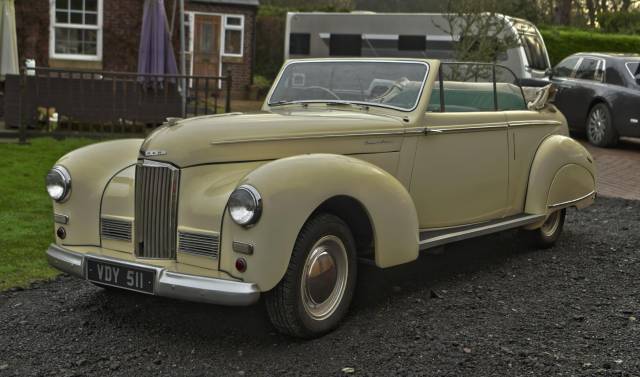
1949 | Humber Super Snipe Tickford DHC

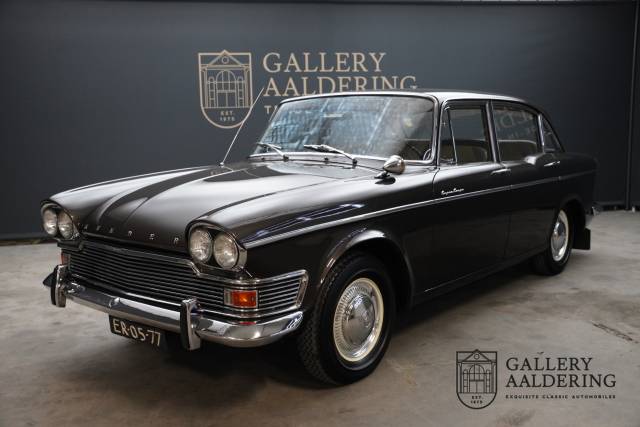
1965 | Humber Super Snipe
HUMBER Super Snipe Series 5 History from first to last owner available, with documents. Trade-in car.

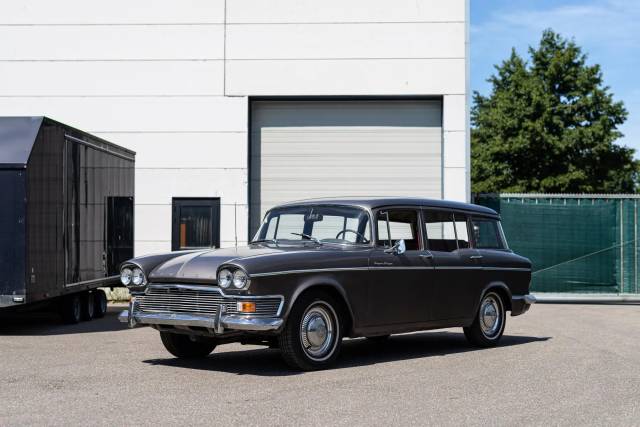
1966 | Humber Super Snipe
Nice Project - No Reserve
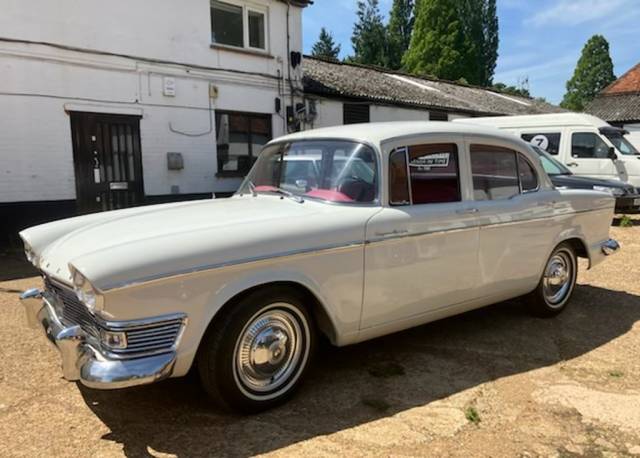
1966 | Humber Super Snipe
Humber Super Snipe
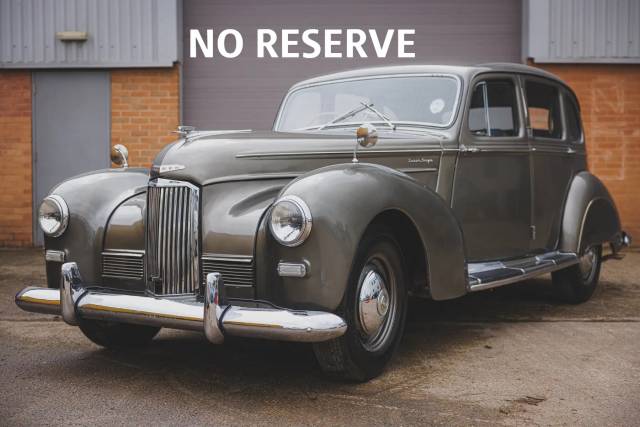
1950 | Humber Super Snipe Tickford DHC
British 50's Style - Needs Recommission
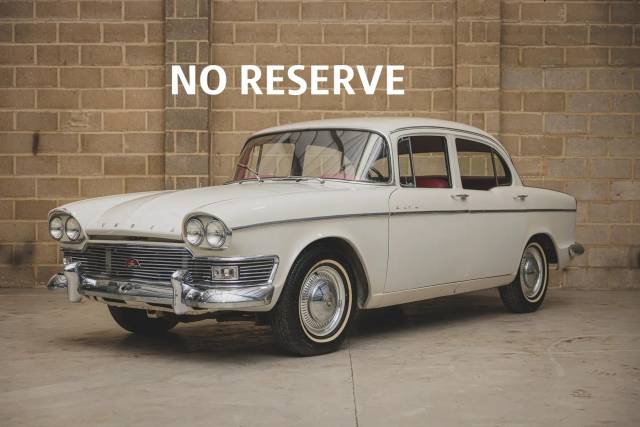
1966 | Humber Super Snipe
Needs Recommissioning - No Reserve
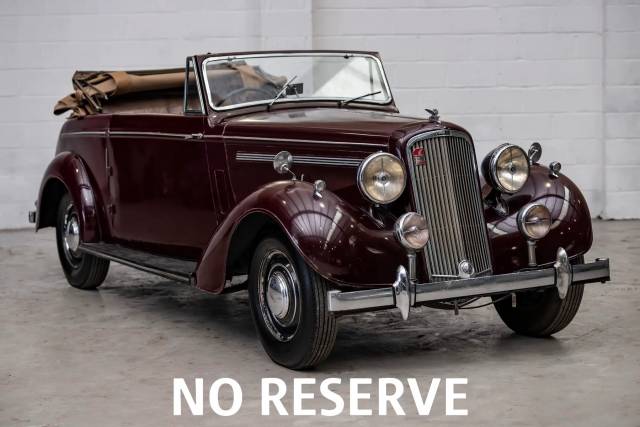
1939 | Humber Super Snipe Imperial
Rare Classic - 80 Years Young - No Reserve
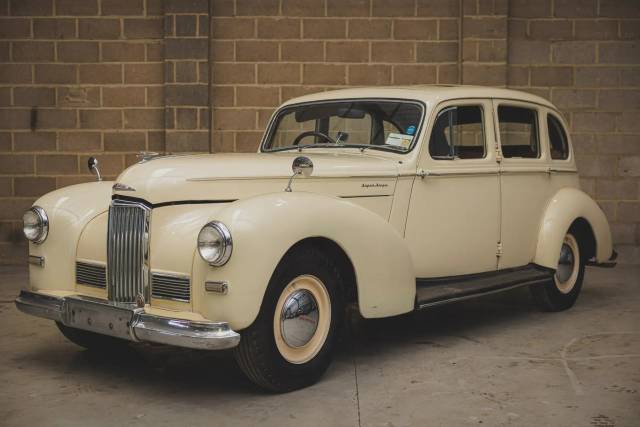
1950 | Humber Super Snipe Tickford DHC
Recommission Required
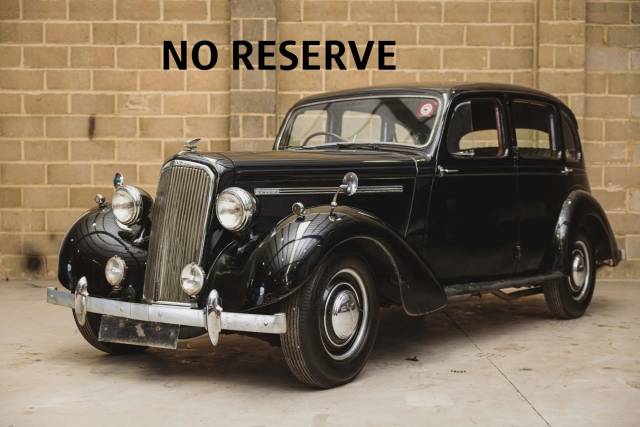
1947 | Humber Super Snipe
Recommission Required - Solid - No Reserve
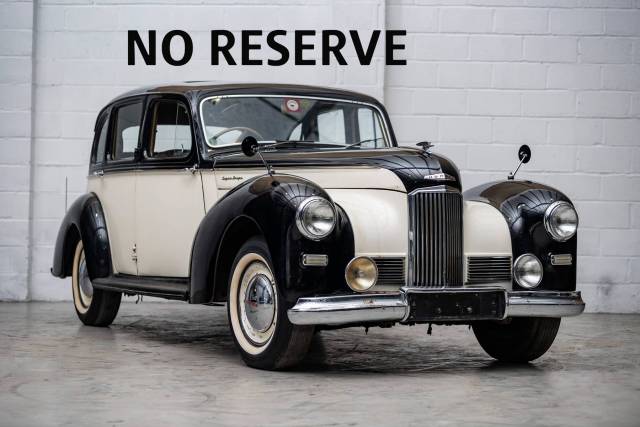
1948 | Humber Super Snipe Tickford DHC
Recommissioning Required - Dry Stored - Solid
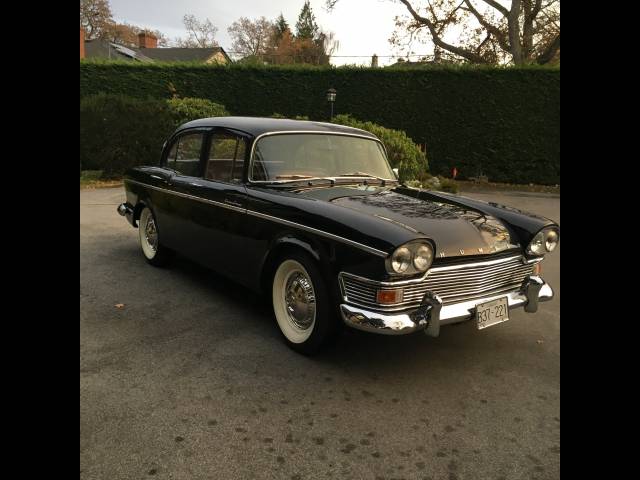
1962 | Humber Super Snipe SIII
Exceptional and unrestored automotive masterpiece in excellent condition.
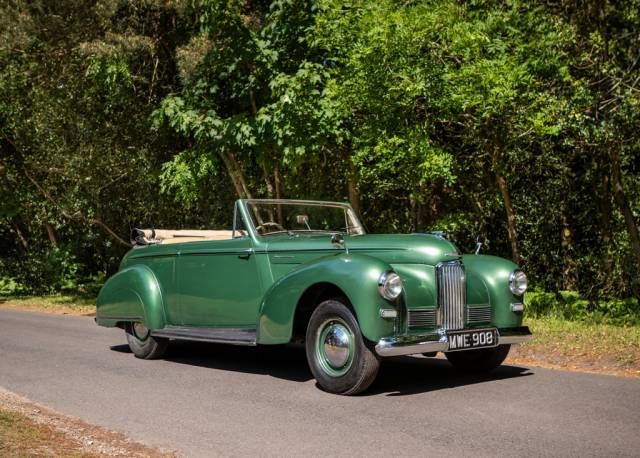
1950 | Humber Super Snipe Tickford DHC
Humber Super Snipe Mk. II Drophead Coupé by Tickford
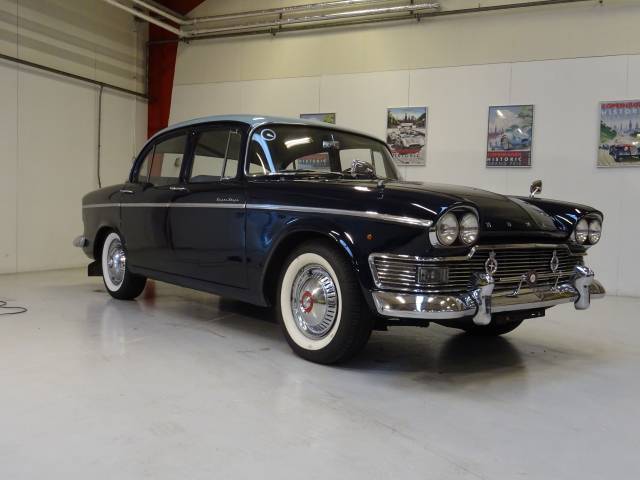
1961 | Humber Super Snipe SIII
Left-hand drive, 27343 kilometers on the odometer

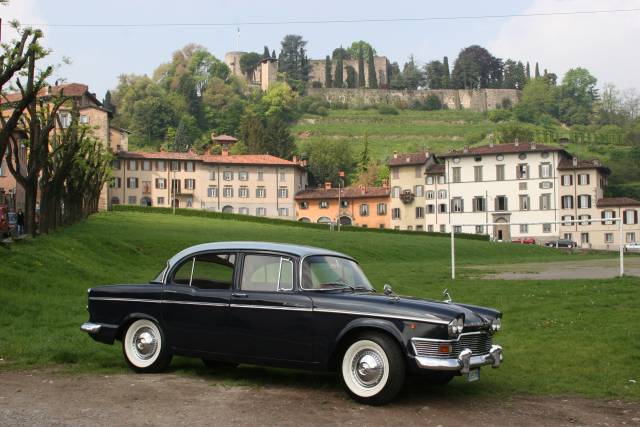
1961 | Humber Super Snipe SIII
AUTO VIP appartenuta a noto musicista Bergamasco

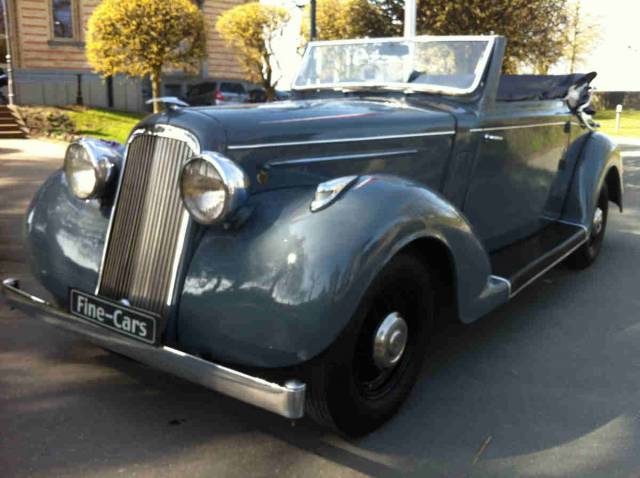
1937 | Humber Super Snipe Imperial
Humber-Super Snipe-Imperial-Cabrio-1937

Create search alert
Let yourself be notified as soon as a listing is published that matches your search filters.
Create listing
Do you have a Humber Super Snipe that you want to sell? Then create a listing now.
Create listingHumber Super Snipe Classic Cars: Prices & Market Values
History of the Humber Super Snipe
The Humber Super Snipe debuted in 1938, merging the body and chassis of the Humber Snipe with the powerful 4.0-litre straight-six from the Pullman, appealing to professionals and high-ranking civil servants seeking both performance and practicality. Despite the onset of WWII, production continued for military variants like the Humber LRC reconnaissance car. After the war, Humber reintroduced the Super Snipe with incremental improvements. The post-1945 Mark I model retained much of its pre-war character, while the Mark II brought an enlarged and broader body, integrated headlights, and running boards. Subsequent models, up to Mark IV, adopted significant design and technical advances. Export markets, particularly Australia, contributed to its widespread recognition. The car’s evolution mirrored shifting automotive standards and customer preferences, culminating in the refined, comfortable Mark V series before production ended in 1967.
Model Series Evolution
The Humber Super Snipe originated as a step up from the Humber Snipe, blending the best elements of Humber’s range. Over its lifespan, it underwent several key development phases: Mark I (post-war, 1945-1947, 3,909 units), Mark II (1948-1949, 8,361 units, extended, wider, modernised), Mark III (1950-1952, 8,703 units, incremental updates), Mark IV (with its new pontoon body, until 1956, 17,993 built), and later Series I–V (from 1958), which utilised the monocoque body of the Humber Hawk, with inline-six engines (2.6 or 3.0 litres). The Series V (after 1964) received a major restyle with a lower roofline and larger rear window, setting a new standard for luxury and space until production ceased in 1967.
Highlights and Notable Features
The Super Snipe was distinguished by its solid engineering, spacious interior for up to six, and comprehensive equipment levels. Series V models, in particular, benefited from a more powerful 137 hp engine with twin Zenith Stromberg carburettors, a Harry Weslake-tuned cylinder head, and upgraded suspension, providing increased comfort and reduced maintenance. Original features ranged from bench seats, opulent walnut trim, and Wilton wool carpets to sophisticated air and sound insulation. The interior finish of leather and wood reflected its executive market focus, while export models and versions by coachbuilder Tickford (notably cabriolets and special orders for the royal family) remain highly desirable.
- According to supply data, Series II represents 41.7% of Super Snipe listings, making it the most prevalent, while Series IV dominates demand with 54.1% of listing views, highlighting significant collector interest in later models.
Technical Data
Special Editions and Collectible Models
The Tickford-bodied Mark II Super Snipe represents the rarest and most prestigious variant. Only 124 cabriolets were produced by Newport Pagnell’s Tickford, characterised by elegant six-seat drophead bodies, concealed door hinges, and luxury details far beyond the military tourers. Some Tickford Super Snipes were specially delivered to the British royal family. These models now survive in very limited numbers and are sought after for their craftsmanship and provenance.
Weak Spots and Common Issues
Although specific weak spots are not documented in the current data set, owners should generally pay attention to the condition of wooden interior trim, original leather, and convertible soft-tops (on Tickford models). As with any British classic from this era, watch for typical inline-six maintenance such as cooling system integrity, carburettor tuning, and general rust protection, especially in structural elements and undercarriage.
Engine and Performance, Transmission and Handling
The Super Snipe’s primary appeal comes from its six-cylinder engine, delivering capable cruising performance with adequate acceleration for its class. The Series V’s 137 PS output, synchromesh on all gears, and refined suspension offer smooth operation and greater ride comfort, even by modern standards. The bench seats, power steering, and long, softly sprung wheelbase make the car well-suited to long journeys and everyday use, while the transmission (manual with column shift or optional automatic) gives versatility for different driving preferences. - Series IV (highest demand share: 54.1%; favoured for improved comfort and modernisation)
- Series II (most common: 41.7% supply share; classic proportions and mechanical simplicity)
- Tickford Mark II (rarity, luxury trim, historic royal provenance)
Interior, Comfort, Exterior and Design
Inside, the Super Snipe stands out with original leather upholstery, rich walnut panelling on doors and dashboard, fold-out picnicking tables, and Wilton wool carpets—luxuries rarely seen in mid-century saloons. The dashboard instrumentation and generously proportioned seats reflect a period focus on comfort and long-distance practicality. Exterior styling evolved from upright, pre-war forms to the squarer, lower and longer Series V, with visual cues like integrated headlamps (from Mark II), flatter rooflines and wide panoramic rear glass. Special accessories ranged from rear privacy screens to removable spats over rear wheels (on Tickford models), while right-hand drive and column shifters underline British motoring characteristics.
Other Notable Features
Original owner’s manuals and rubber seals are generally available, assisting restoration projects. Vehicles often appear with unique export/import equipment. A chassis number on all frames supports value tracing and authenticity.
Summary
The Humber Super Snipe remains a hallmark of British craftsmanship in classic saloon motoring, balancing robust engineering with generous interior trim and practical upgrades throughout its lifetime. Rarity, especially among coachbuilt and late-series variants, ensures specific examples remain highly sought-after by enthusiasts aware of their mechanical and historical nuances.