- Car
- Humber (0 offers)
Humber Classic Cars for Sale
Humber stands for British luxury craftsmanship and technical excellence. From sophisticated sedans and limousines to technically advanced post-war saloons, Humber vehicles impress with refined interiors, innovative mechanical details, and an unmistakably British sense of prestige. Discover the unique models and heritage of Humber automobiles.
Search results
Currently, there are no matching listings for your search.
Create search alert
Let yourself be notified as soon as a listing is published that matches your search filters.
Humber listing references from Classic Trader
Below you will find listings related to your search that are no longer available on Classic Trader. Use this information to gain insight into availability, value trends, and current pricing for a "Humber" to make a more informed purchasing decision.
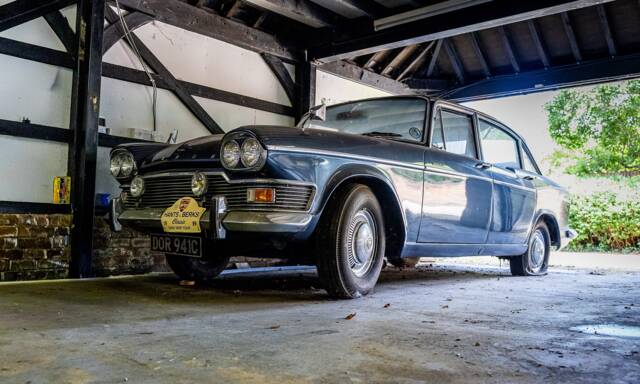
1965 | Humber Imperial
1965 Humber Imperial

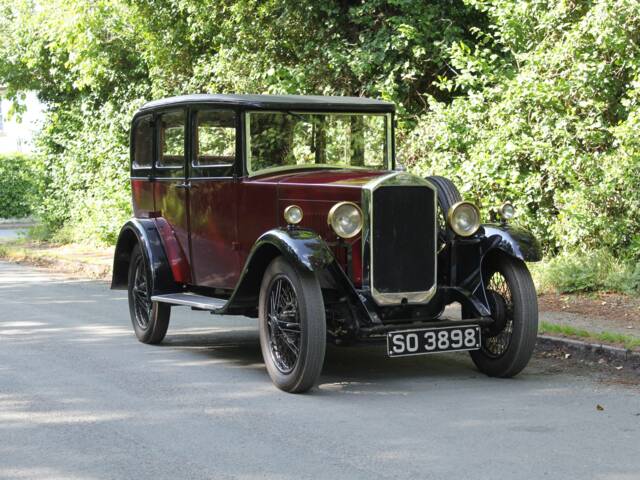
1929 | Humber 9/28
1929 Humber 9/28 Saloon

1951 | Humber Pullman
1951 Humber Super Snipe Mk. III
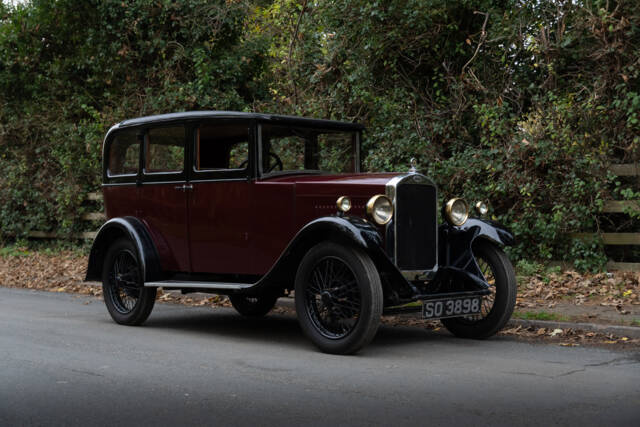
1930 | Humber 9/28
1930 Humber 9/28
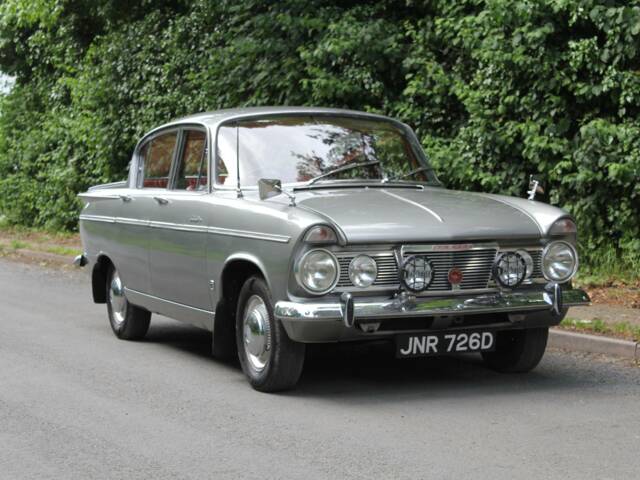
1966 | Humber Sceptre SI/SII
1966 Humber Sceptre MKII - 44000 miles
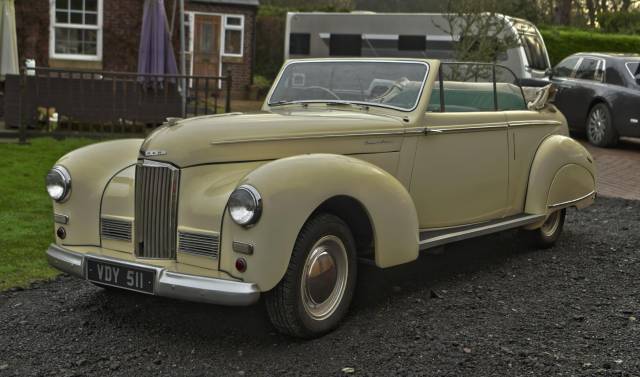
1949 | Humber Super Snipe Tickford DHC
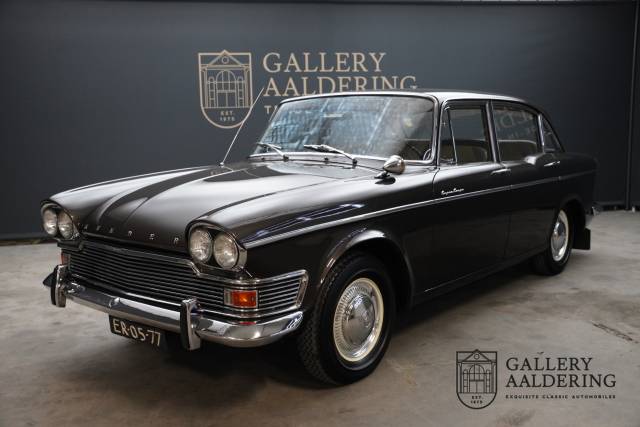
1965 | Humber Super Snipe
HUMBER Super Snipe Series 5 History from first to last owner available, with documents. Trade-in car.

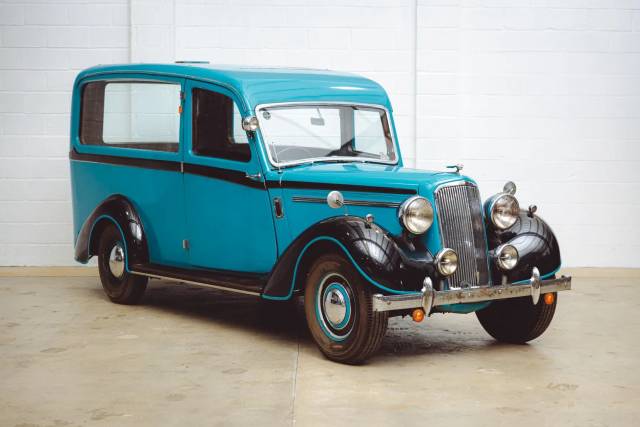
1953 | Humber Pullman
Rare & Interesting Classic - Needs Recommission
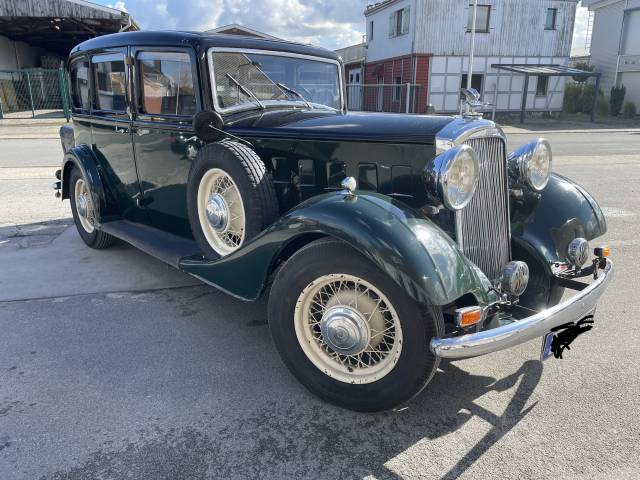
1934 | Humber Snipe 80
Sehr seltenes links gelenktes Exemplar

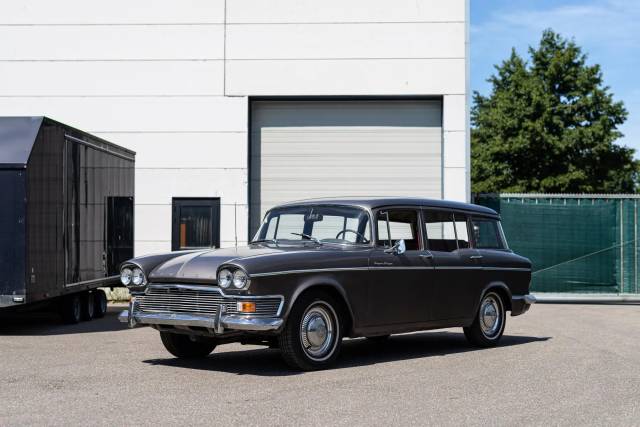
1966 | Humber Super Snipe
Nice Project - No Reserve
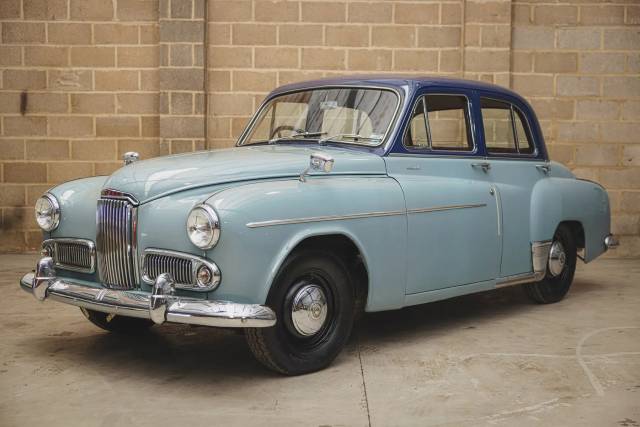
1957 | Humber Hawk
Lovely Lines - Recommission Required
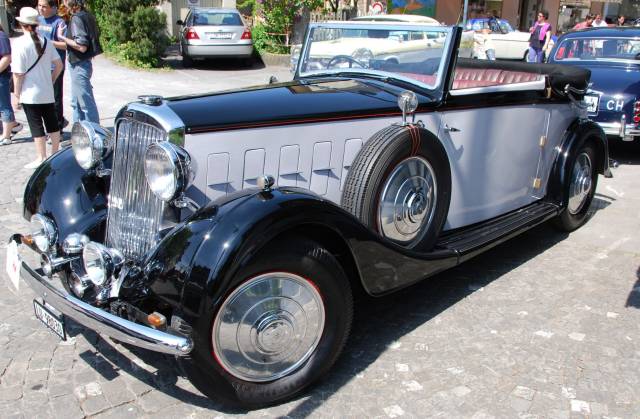
1935 | Humber 16/60
Englisches Vorkriegs-Cabriolet einer grossen Marke

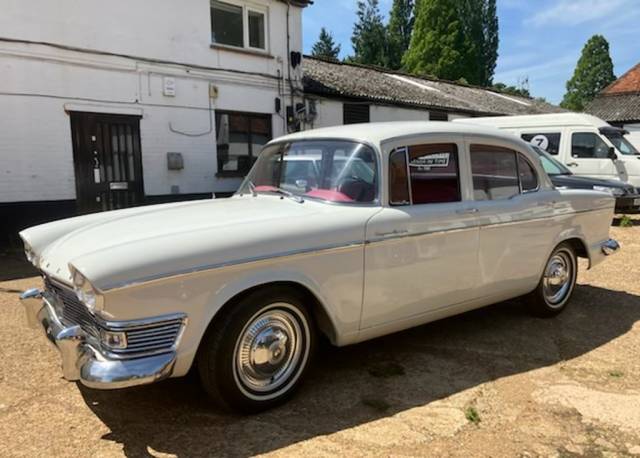
1966 | Humber Super Snipe
Humber Super Snipe
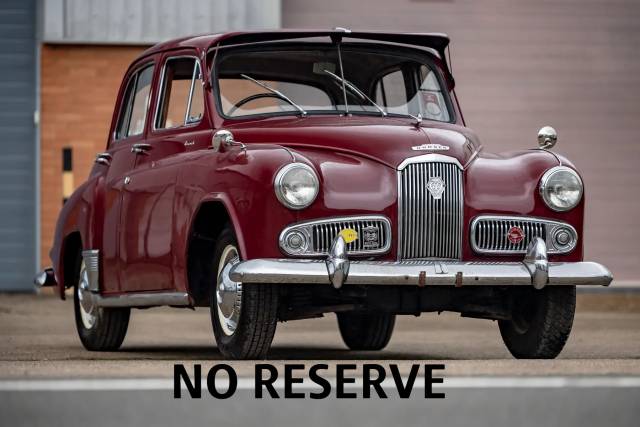
1953 | Humber Hawk
Interesting History - Light Project
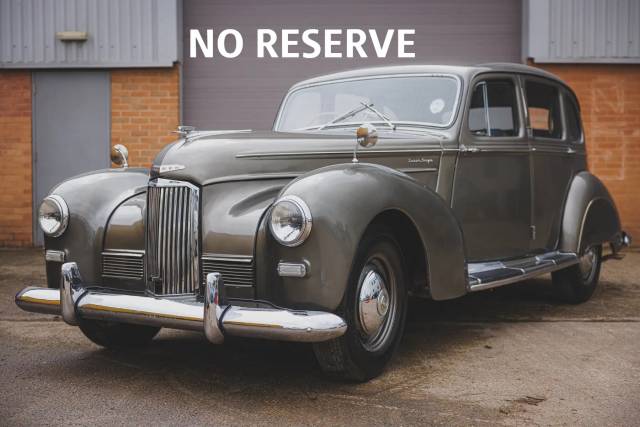
1950 | Humber Super Snipe Tickford DHC
British 50's Style - Needs Recommission
Create search alert
Let yourself be notified as soon as a listing is published that matches your search filters.
History of Humber
Humber’s journey began in 1868 when Thomas Humber started producing bicycles in Britain. By 1898, Humber presented its first motor vehicle, a three-wheeler, before launching a four-wheeled car in 1901. Factories in Coventry and Beeston focused on producing both regular and more exclusive Beeston-Humbers. By 1913, Humber was Britain’s second-largest car manufacturer. The 1920s saw Humber expand into commercial vehicles via the acquisition of Commer and, later, Hillman. Control shifted in 1931 to the Rootes Group, changing Humber’s direction towards higher luxury segments. Throughout the Second World War, Humber produced military vehicles—most famously, the Super Snipe staff cars, including those used by Montgomery and Churchill. Post-war, Humber reasserted itself in the luxury saloon market until the 1970s, when ownership changes led to the marque’s gradual demise, with the last models leaving the market in 1976.
Model History
The earliest Humber cars included the Humberette and a range of powerful four- and six-cylinder models. The interwar and post-war years saw the debut of renowned series such as the Snipe, Super Snipe (from 1938), the dignified Pullman and Imperial limousines, and the versatile Hawk saloon (produced from 1945). After the Rootes Group acquisition, models like the Hawk Mk I–VI and Super Snipe II–V exemplified engineering innovation and comfort. The final production phase featured the Sceptre Saloon, launched in 1963 on the Hillman Hunter platform, with the Sceptre Mark III being the last model to bear the Humber name.
Highlights and Distinctive Features
Humber vehicles are celebrated for their advanced equipment for their era: power steering, automatic transmissions, high-performance overhead-valve engines, and elegant, hand-finished interiors with walnut veneers and Wilton carpets. The Super Snipe stands out with its spaciousness for six occupants, state-of-the-art chassis updates, and refined road comfort. Original features like four-speed gearboxes (often with overdrive), extensive sound insulation, and luxury details such as folding tables or golf boxes are typical. Collector documentation and preserved histories boost their appeal for enthusiasts. Uniquely, the Super Snipe was adopted for official military use and by leading politicians post-WWII, underscoring its image as a symbol of British status and reliability.
Technical Data
Special Editions and Collectible Models
The Tickford-bodied Super Snipe Cabriolet is among the rarest variants, recognised for its streamlined design, hidden door hinges, and removable rear wheel covers. Meanwhile, the Super Snipe models created for military command (such as Montgomery’s staff cars) hold unique collector value. The Humber Imperial introduced early features like power assisted steering and automatic transmissions, distinguishing it from standard saloons of its era.
Weak Spots and Typical Issues
While Humber models are renowned for solid build quality and robust engineering, long-term use may reveal age-related issues such as suspension bush wear, corrosion in chassis sections, and electrical system faults. Attention should also be paid to original interior trim and woodwork, as restoration of these features can be time-consuming due to bespoke manufacturing. Routine maintenance of carburettors and overdrive gearboxes is recommended for lively, fault-free driving.
Engine, Transmission, and Driving Experience
The Humber driving experience prioritises comfort, refinement, and long-distance ability. Signature six-cylinder engines, as found in the Super Snipe and Pullman, deliver strong, smooth performance, complemented by well-matched four-speed transmissions and, on many models, overdrive. Handling was refined through wide-track suspension and advanced chassis design, making even larger Humbers surprisingly capable for their class. The Hawk, Pullman, Sceptre, and Super Snipe saloons all offer high comfort at cruising speeds and quiet, vibration-free travel. • Super Snipe (Serie II–V): 6-cylinder engines, ample cabin space, technological updates. • Hawk (Mk I–VI): Reliable family saloon, four-door spaciousness, practical luxury. • Sceptre: Advanced 1960s features, based on Hillman Hunter, compact and agile. • Pullman/Imperial: Limousines with innovations like power steering and automatic transmission.
Interior, Comfort, Exterior and Special Design
Humber interiors are finished to high standards: genuine leather, polished walnut veneer, Wilton wool carpets, and amenities such as wooden folding trays and rear picnic tables on Pullman and Super Snipe limousines. Dashboard layouts emphasise clarity, with classic Smiths instrumentation. Exterior styling evolved from upright pre-war designs to sleeker, more aerodynamic saloons, particularly noticeable in the saloon Series V. Special coachbuilt models by Thrupp & Maberly and Tickford saw streamlined forms, elaborate chrome work, and rare options like retractable sunroofs or colour-matched accessories. Optional extras included factory-fitted radios, heaters, and external spot lamps.
Other Features and Cultural Impact
The Humber name extended to ambulances, hearses, and staff vehicles, often commissioned officially for use by British government and military during and after WWII. The brand’s logo—a strikingly simple badge with Humber script—appeared in varying forms through the decades, sometimes with geometric motifs or, on performance variants, a stylised bird. Humber’s lasting appeal is preserved in museum collections, most notably at Marshall’s Post-Vintage Humber Car Museum in Hull, England, which houses vehicles from 1932 to 1970, reflecting the marque’s breadth of design and engineering history.
Summary
Humber classic cars represent the height of traditional British automotive luxury and mechanical ingenuity. Their blend of spaciousness, advanced technology, and attention to interior detail set them apart among collectors today. From military service in the Super Snipe to the executive comfort of the Sceptre and Pullman, Humber models continue to draw admiration for their unique engineering solutions, legendary British craftsmanship, and the rarity of surviving, well-maintained examples.