- Automobil
- Graham-Paige
- Graham-Paige Six (1 Angebot)
Graham-Paige Six classic cars for sale
The Graham-Paige Six stands out with its blend of refined American engineering and distinctive 1920s design. Collectors value its smooth six-cylinder performance and advanced features for its era. Discover more about this unique model's journey and what makes it a notable chapter in classic car history.
Suchergebnisse
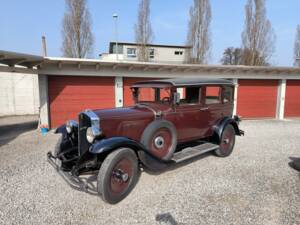
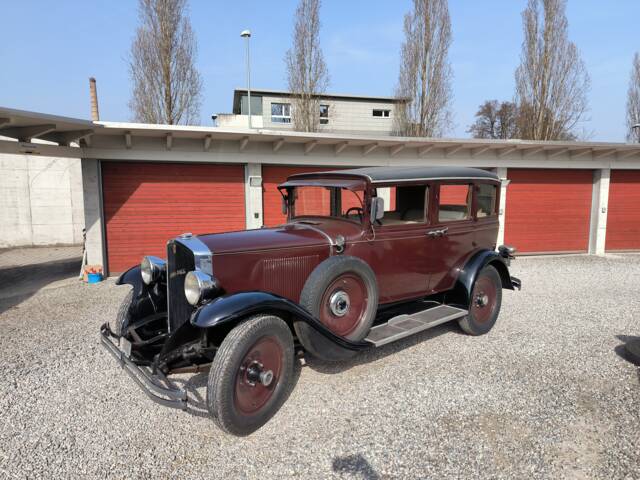
1930 | Graham-Paige Standard Six
1930 Graham Paige
Graham-Paige Six listing references from Classic Trader
Below you will find listings related to your search that are no longer available on Classic Trader. Use this information to gain insight into availability, value trends, and current pricing for a "Graham-Paige Six" to make a more informed purchasing decision.
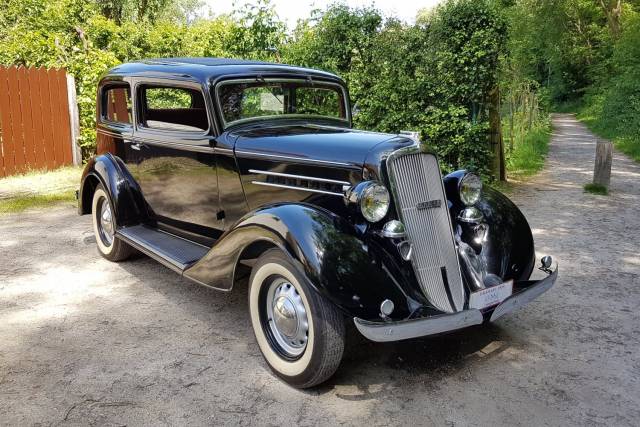
1934 | Graham-Paige Model 68 Standard Six
Graham - Standard Six Two-Door Touring Sedan
Graham-Paige Six Classic Cars: Prices & Market Values
History of the Graham-Paige Six
The Graham-Paige Six emerged in the late 1920s as part of Graham-Paige’s response to the growing demand for robust yet elegant cars. Established by the Graham brothers—Joseph, Robert, and Ray—the company rapidly earned a reputation for producing innovative vehicles after acquiring the Paige-Detroit Motor Car Company in 1927. The Six was developed as a mid-range offering that prioritized smoothness and reliability, capturing the spirit of American motoring during a transformative period in automotive history.
Model History
Graham-Paige’s Six series followed the earlier Paige Six models and filled the gap between four and eight-cylinder variants in the brand’s portfolio. Over successive production years, the company introduced refinements like improved suspension and upgrades to bodywork, emphasising durability and passenger comfort. The model remained an option until the early 1930s, when changing consumer tastes and intensified competition shifted market priorities and Graham-Paige evolved its model range further.
Highlights of the Graham-Paige Six
Noteworthy features of the Graham-Paige Six include its inline six-cylinder engine, known for superior balance and quiet operation compared to contemporaries. The robust chassis and advanced hydraulic braking system provided enhanced safety. The Six was also recognised for its elegant coachwork, often fitted with bespoke bodies from renowned builders. Period advertisements highlighted its blend of performance, luxury, and value for money, making it attractive both to private owners and fleet customers.
Technical Data of the Graham-Paige Six
Special Editions and Collectible Models
Some coachbuilt versions of the Graham-Paige Six, produced in collaboration with custom body shops, are considered especially desirable. Convertible and roadster variants, produced in lower numbers, attract extra attention due to their rarity and style. Individual provenance for some models adds further historical interest, particularly those that participated in notable rallies or were originally owned by prominent personalities.
Weak Spots and Common Issues
Due to a lack of specific statistics, no notable systematic weak spots are reported for this model. However, typical considerations include wear in the engine’s bottom end, leaks in early hydraulic brake systems, and bodywork corrosion—issues common to American vehicles from the late 1920s and early 1930s. As with any pre-war vehicle, parts sourcing may present challenges, especially for trim or model-specific components.
Engine and Performance, Transmission and Handling
The Graham-Paige Six was built for smooth and reliable cruising, with its straight-six engine providing low-revving torque and steady acceleration for its era. Transmission featured a non-synchronised manual gearbox, requiring double-clutch technique. The steering employed a worm-and-sector mechanism, which, while robust, required a firm hand at low speeds. Handling benefitted from a heavy-duty ladder frame and leaf spring suspension; these contributed to stability but demanded cautious cornering on poor surfaces. Hydraulic brakes were progressive for the time, giving the Six an edge in safety over competitors. Four-door sedans are most frequently encountered, but two-door coupe and convertible bodies, especially with original interior details and period-correct paintwork, are sought after for their additional rarity and style.
Interior, Comfort, Exterior and Design
The Graham-Paige Six showcased advanced American coachbuilding trends of the late 1920s, with flowing fenders, intricate radiator grilles, and running boards. Interiors commonly featured mohair or leather upholstery, wood dashboard trims, and period-accurate brightwork. Accessories such as dual sidemounts, wire wheels, and trunk racks were often specified. Special colour options ranged from deep maroons to two-tone combinations, reflecting Art Deco influences. The Six’s design married robust mechanicals with a sense of stately, pre-Depression luxury.
Other Information
Not all Graham-Paige Six cars share the same production location, as assembly sometimes took place at contracted plants. In some markets, local-bodied variants exist, especially in Europe. Documentation for originality, including factory records and build sheets, enhances both provenance and value.
Summary
The Graham-Paige Six offers a compelling glimpse into American automotive development at the close of the Roaring Twenties. Its sturdy inline six, refined design, and rare coachbuilt selections ensure ongoing fascination among enthusiasts keen on pre-war engineering and style.