DKW F7 Classic Cars for Sale
The DKW F7, produced between 1937 and 1939 by Auto Union, is a pre-war subcompact with advanced front-wheel drive and a distinctive two-stroke engine. Available in saloon, cabriolet and even rare export versions with right-hand drive, the F7 set benchmarks in its segment. Its technical curiosity, varied body styles, and high production numbers make it one of the most interesting German cars of the late 1930s.
Search results
Currently, there are no matching listings for your search.
Create search alert
Let yourself be notified as soon as a listing is published that matches your search filters.
DKW F7 listing references from Classic Trader
Below you will find listings related to your search that are no longer available on Classic Trader. Use this information to gain insight into availability, value trends, and current pricing for a "DKW F7" to make a more informed purchasing decision.
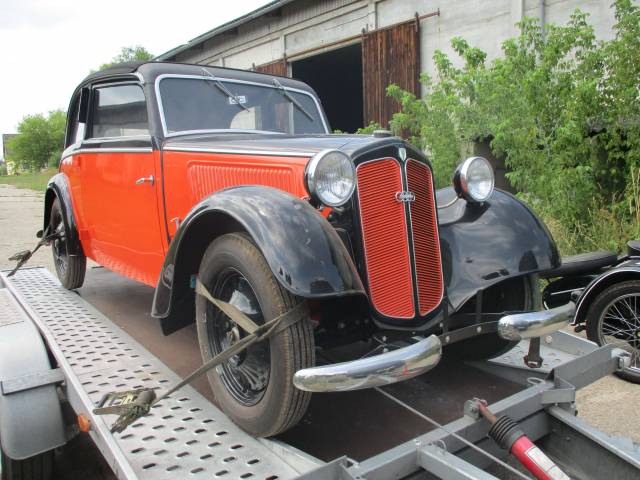
1938 | DKW Meisterklasse
Oldtimer DKW F 7 Cabriolimousine Stahlblech Export

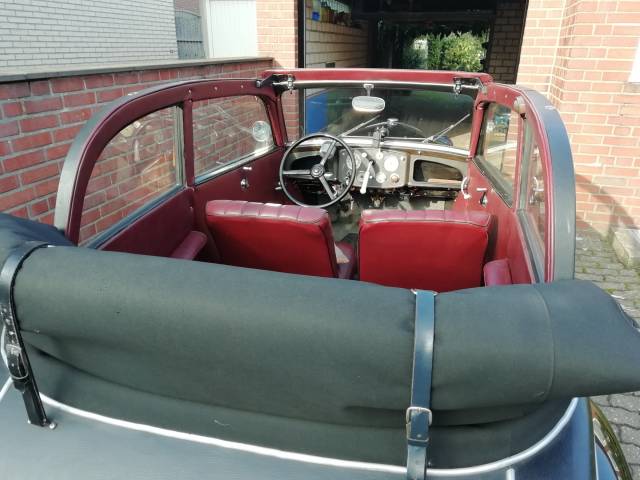
1937 | DKW Meisterklasse
Cabrio Limousine
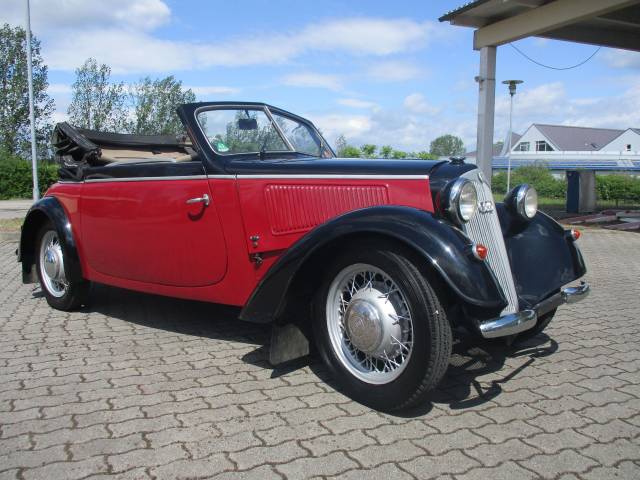
1937 | DKW Meisterklasse
Oldtimer DKW F7 Cabrio
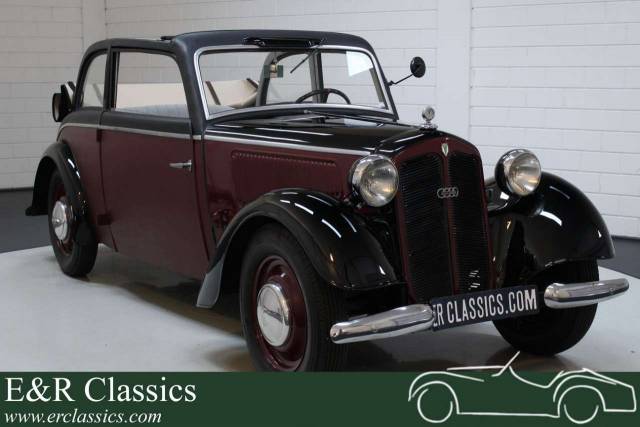
1938 | DKW Meisterklasse
Overig DKW F7 Meisterklasse Cabriolet Saloon 1938

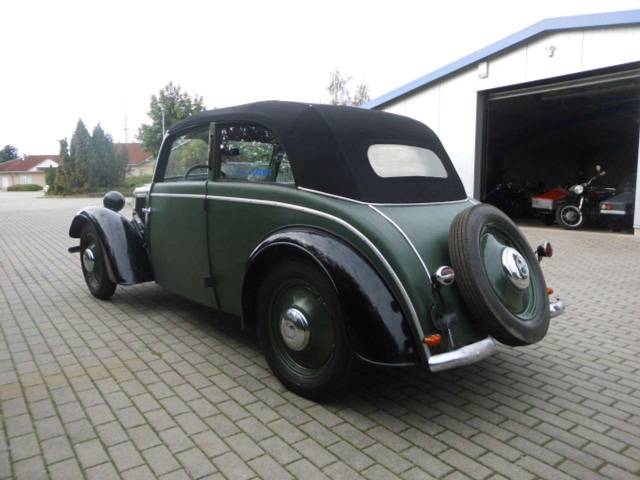
1938 | DKW Meisterklasse
Oldtimer DKW DKW F 7 Cabriolimousine
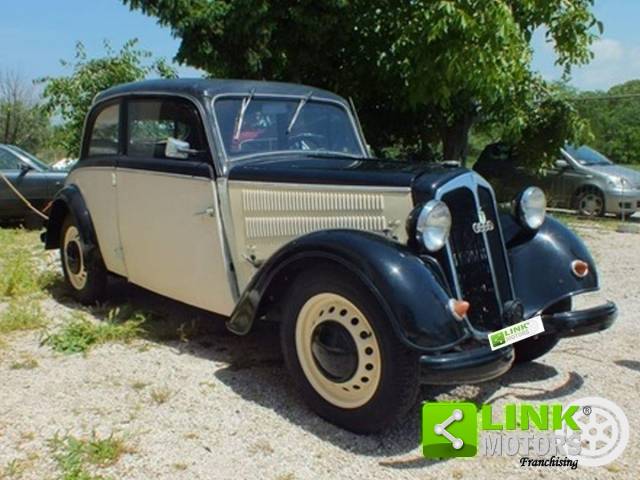
1950 | DKW Meisterklasse
AUTO UNION DKW F7 EPOCA 1950

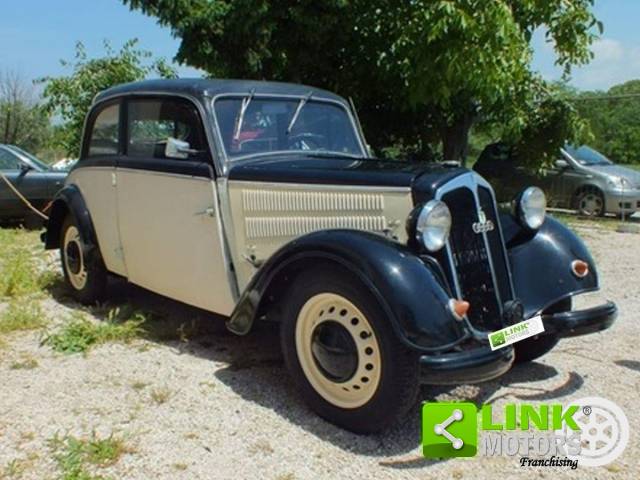
1950 | DKW Meisterklasse
AUTO UNION DKW F7 EPOCA 1950
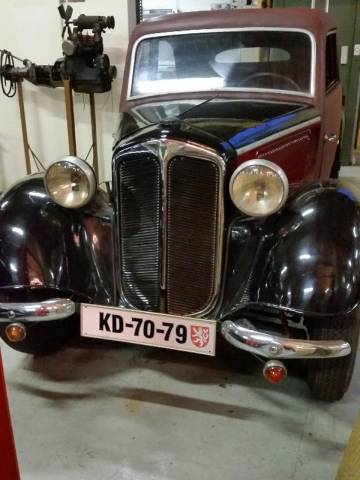
1938 | DKW Meisterklasse
DKW F7
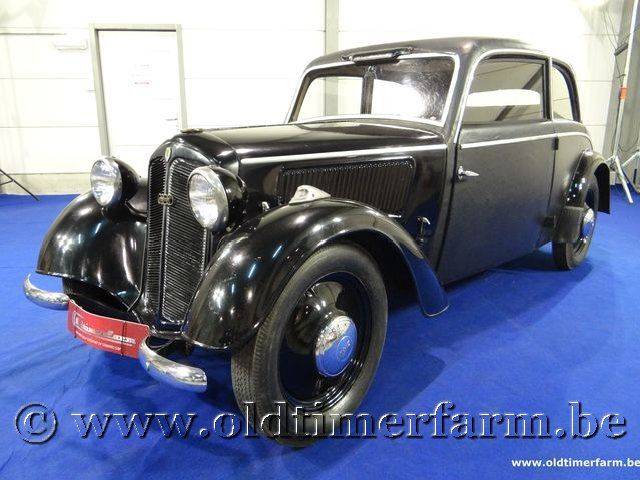
1938 | DKW Meisterklasse
1938 DKW Meisterklasse '38

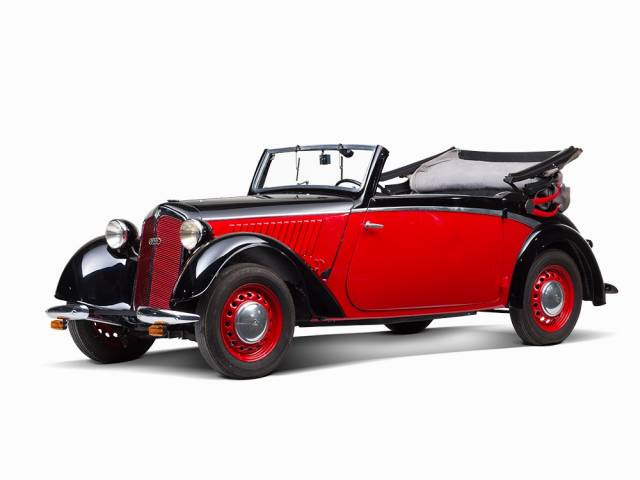
1938 | DKW Meisterklasse
Auto Union DKW Type F7 Cabriolet, Model 1938
Create search alert
Let yourself be notified as soon as a listing is published that matches your search filters.
DKW F7 Classic Cars: Prices & Market Values
History of the DKW F7
Launched in 1937, the DKW F7 was Auto Union's answer to the demand for accessible, technically innovative family cars in pre-war Germany. As a direct successor to the F5, the F7 not only built on DKW’s reputation for pioneering two-stroke technology but also pushed the boundaries with universal use of front-wheel drive—a rare feature in the 1930s. The model replaced the smaller 'Reichsklasse' with a uniform, longer body and kept the established F5-style chassis and rear suspension. More than 80,000 F7s left the Zwickau production lines, making it a key contributor to DKW's pre-war growth. The F7 was available as limousine, cabrio-limousine, convertible, and estate, reflecting the variety demanded by German buyers. Production ended in early 1939, as the F8 with technical upgrades moved in to replace it.
Model Series History
The F7 continued the tradition of front-wheel-drive compacts started by DKW’s F-series from F1 to F5. It was built in multiple body styles—including saloon, convertible, and estate. The F7 series included the 'Reichsklasse' (18 hp, shorter body) and 'Meisterklasse' (20 hp, longer body), though for the F7, all versions ultimately adopted the longer body previously exclusive to the 'Meisterklasse.' In 1938, the particularly refined Front Luxus Cabriolet was introduced. The F7 was succeeded in 1939 by the F8, distinguished by a box-section chassis and improved front axle.
Highlights and Unique Features
The DKW F7 set itself apart in the late 1930s with front-wheel drive and a practical two-stroke inline twin engine—features ahead of their time for the market. The body was built on a timber frame (ash) with a composite of plywood and metal outer panels, blending lightness and economy in construction. Variants ranged from four-door limousines to rare Luxus Cabriolets, the latter assembled in Stuttgart. The F7’s right-hand-drive configuration for exports is a noteworthy rarity today. Despite large pre-war production figures, survivor numbers are now low—and the remaining examples are valued by committed collectors.
Technical Data
Special Editions and Rare Models
The F7 range was topped by the Front Luxus Cabriolet, distinguished by its assembly in Stuttgart rather than Zwickau and its more refined interior and detailing. Only around 2,300 of these cabriolets were produced—making them especially sought-after among connoisseurs of pre-war automotive engineering. Ambulance and light utility versions were also produced in small numbers towards the end of its production run.
Weak Spots and Common Issues
Common to many vehicles of the era, the DKW F7’s timber body frame and plywood composite panelling can be vulnerable to rot and moisture damage—especially if originality is maintained. Mechanical reliability is generally straightforward, but sourcing two-stroke engine parts and correct interior fabrics can be challenging. Regular care must be paid to chassis lubrication and the preservation of original drivetrain components. Modern fuels with different compositions may require specialist attention or additive use to avoid two-stroke lubrication issues.
Engine, Transmission and Handling
A compact two-cylinder two-stroke engine, front-wheel drive, and substantial lightness give the F7 nimble but period-appropriate dynamics. Output ranged from 18 horsepower in the Reichsklasse to 20 in the Meisterklasse and Front Luxus Cabriolets. Three forward gears allowed reliable, if not rapid, progress: top speed sits between 80-85 km/h depending on engine. Handling is characterised by the floating rear axle—more stable than comparable rear-driven rivals of the era. Power delivery, being two-stroke, is immediate and linear in the lower speeds, while maintenance of safe oil-fuel mix is critical. 1. F7 - 700 (Meisterklasse): 692 cm³, 20 hp, 85 km/h top speed. By far the most widely traded model today (87.5% of market listings and 94.2% of listing views). 2. F7 - 600 (Reichsklasse): 584 cm³, 18 hp, 80 km/h. Importantly, most F7s ultimately adopted the longer 'Meisterklasse' body, narrowing the practical distinction to engine output alone.
Interior, Comfort and Exterior Design
The DKW F7’s body construction is unique among small pre-war cars: a light ash frame with plywood panels clad in thin metal sheet. The cabin offers seating for four, with simple instrumentation and delicate Bakelite switchgear. No named designer is associated, but the F7’s design embodies the Auto Union rationalist ethos—rounded fenders, free-standing headlamps, and a ‘streamline’ silhouette reflective of mid-1930s ideals. Cabriolet and cabrio-limousine versions acquire a touch more elegance with fabric roofs and chrome trim. Right-hand drive variants, produced for export markets, are a rare curiosity. Optional equipment included heater units and (for the era) well-finished mohair roof fabrics on cabriolets. Accessories such as original wheel caps, tool kits, and the early Auto Union ‘four rings’ badge add authenticity.
Other Noteworthy Details
The F7 was one of the last DKWs to use the traditional timber and composite body structure. Period advertising frequently highlighted the cost-efficient and lightweight construction, appealing to buyers in 1930s Germany facing economic constraints. Exported units, particularly those to the UK featuring right-hand drive, now count among the rarest. The F7 also demonstrated the emerging strength of Auto Union, whose four-ring logo remains synonymous with Audi today.
Summary
The DKW F7 offers a genuine window into technical innovation and mass motoring in 1930s Germany. Featuring advanced front-wheel drive, a lively two-stroke heart, and a distinctive blend of light-weighted body construction, it remains a vivid pre-war classic. Surviving Cabriolets and right-hand drive exports command special attention, while most buyers today seek the practical and collectible F7 - 700 Meisterklasse. Proper preservation requires special care for wood and period materials, but enthusiasts continue to value these cars for their historic engineering and unmistakable character.