Cisitalia D46 classic cars for sale
The Cisitalia D46 represents the return of Italian racing ingenuity in the post-war era, built by a team spearheaded by Piero Dusio’s vision. With authentic mid-century mechanics and racing pedigree, the D46 captures the spirit of 1940s motorsport history. Discover available Cisitalia D46 models for enthusiasts and collectors here.
Search results

Cisitalia D46 Classic Cars: Prices & Market Values
History of the Cisitalia D46
Cisitalia, short for Compagnia Industriale Sportiva Italia, was founded in Turin in 1946 by the enterprising Piero Dusio, immediately after the war. Dusio's ambition was to bring Italian competitiveness back to international motorsport, and the D46 was one of his first expressions of this goal. Unlike many contemporaries, the D46 was designed explicitly for racing from the outset, using innovative solutions to circumvent post-war material scarcity. Its release signalled the rebirth of competitive single-seater racing for privateers and Italian teams alike.
Model History and Evolution
The D46 marked Cisitalia’s debut in competition car building. Preceded by wartime prototypes, the D46 set the tone for Cisitalia’s philosophy: lightweight, responsive chassis combined with advanced engineering. Production was focused on providing competitive cars for private racing teams and aspiring drivers. While the D46 was eventually overshadowed by successors such as the Cisitalia 202, its impact on the single-seater formula in Italy remains significant. The D46’s layout and construction influenced later Italian race cars and helped pave the way for the brand’s more famous models.
Cisitalia D46 Highlights
What sets the Cisitalia D46 apart is its pure racing focus, featherweight tubular spaceframe and the clever use of Fiat-based mechanicals, a real innovation to keep costs down while remaining competitive. Its immediate post-war debut captured the imagination of drivers across Europe. Its bespoke engineering and accessible performance meant that privateers could race on a level otherwise reserved for factory teams. The vehicle’s rarity today makes every original D46 a centrepiece of any serious motorsport collection.
Technical Data, Specifications and Details
Special Editions and Collectors’ Models of the Cisitalia D46
Due to its nature as a hand-built racing car, every Cisitalia D46 could be considered unique, but no official factory special editions are documented. Race-used originals, chassis with period history or those entered by notable privateers may hold special attention among collectors.
Weak Spots and Common Issues with the Cisitalia D46
Given its racing roots and age, prospective buyers should pay particular attention to chassis integrity—tubular frames may suffer from corrosion or improper historic repairs. Mechanical components, often sourced from period Fiats, may require specialist rebuilds to maintain period accuracy. Spare parts availability for original engines and running gear is limited. Documentation of race history and authenticity of components is essential and often requires expert provenance checks.
Engine, Performance and Handling
The D46’s 1.1-litre straight-four engine delivered lively response paired with a vehicle weight well below 500kg, ensuring rapid acceleration and nimble handling by the standards of its era. Suspension tuning was basic but effective for the time, and its lightweight build allowed for sharp turn-in and predictable balance—hallmarks crucial for tight post-war race circuits. Transmission was a 4-speed manual, requiring skilled hand-foot coordination, especially with non-synchronised gears. The combination of these elements meant the D46 was highly competitive for private teams, though ultimately outclassed by emerging factory entries as technology raced ahead. The original Cisitalia D46 single-seater as raced by post-war privateers is the clear highlight, with each example potentially featuring custom modifications made for period racing competition.
Design, Interior and Exterior Details
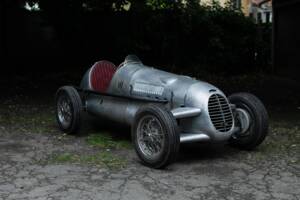
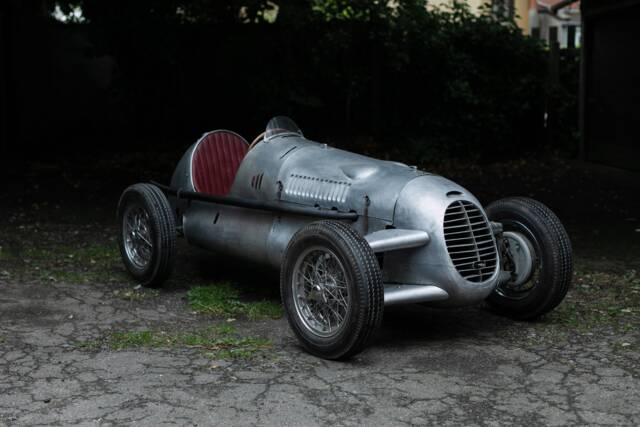
The D46’s structure is minimalist—a purposeful spaceframe devoid of excess. The bodywork was typically aluminium, hand-formed over the chassis for the lightest possible configuration. The open-wheeler configuration keeps the driver fully exposed, emphasising focus and performance over comfort. There is virtually no interior trim; seats were functional, gauges clear and motorsport-oriented. Paintwork ranged from bare aluminium to the racing colours of private entrants. Original accessories are rare—each car was specified for racing events by its owner or team rather than for comfort or style.
Other Relevant Features and Facts
Period race records, documented ownership, and certifications from classic car associations greatly affect the authenticity and value of a Cisitalia D46. These cars often participated in major European circuits, and provenance from documented race entries is highly prized.
Summary
The Cisitalia D46 stands as a pure expression of late-1940s Italian motorsport engineering: lightweight, nimble, and built with a single purpose—competition. With its ultra-low production numbers, original race history and significant influence on post-war racing car design, the D46 remains a fascinating piece for dedicated collectors and racing historians alike.