Bianchi Tipo 15 classic cars for sale
The Bianchi Tipo 15 stands as a remarkable representative of early Italian automotive engineering. With its authentic character from a formative era of motoring, the Tipo 15 appeals particularly to enthusiasts of pre-war vehicles seeking originality and rare Italian workmanship.
Suchergebnisse
Zur Zeit sind keine passenden Inserate zu Ihrer Suche veröffentlicht.
Create search alert
Let yourself be notified as soon as a listing is published that matches your search filters.
Create listing
Do you have a Bianchi Tipo 15 that you want to sell? Then create a listing now.
Create listingBianchi Tipo 15 listing references from Classic Trader
Below you will find listings related to your search that are no longer available on Classic Trader. Use this information to gain insight into availability, value trends, and current pricing for a "Bianchi Tipo 15" to make a more informed purchasing decision.
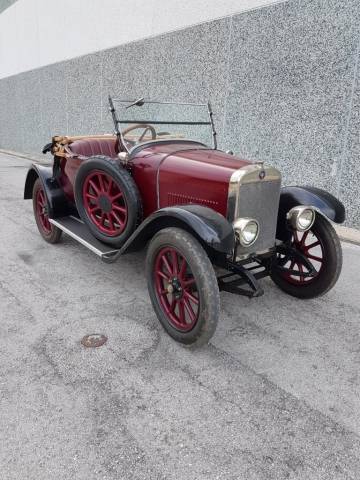
1922 | Bianchi Tipo 15 Hoyle and Sons
Bianchi spyde Hoyle and Sons 1922
Create search alert
Let yourself be notified as soon as a listing is published that matches your search filters.
Create listing
Do you have a Bianchi Tipo 15 that you want to sell? Then create a listing now.
Create listingBianchi Tipo 15 Classic Cars: Prices & Market Values
Introduction and history of Bianchi Tipo 15
The Bianchi Tipo 15 was introduced during a period when Edoardo Bianchi's company was transitioning from bicycles and motorcycles into the realm of automobile production. Bianchi, already established in the field of high-quality cycles, applied the same level of meticulous Italian craftsmanship to their motor cars. The Tipo 15 represents the marque’s dedication to robust engineering and an understated, yet elegant, aesthetic typical of the interwar period. These vehicles were often seen on Italy’s expanding network of rural and urban roads in the 1920s and 1930s, frequently distinguished by their reliability and attention to engineering details. Their production numbers were considerably lower than other mass manufacturers, resulting in a vehicle that is rare even by the standards of historic Italian motoring.
Model history
The Tipo 15 found its place in Bianchi’s rapidly diversifying lineup, following earlier models like the Tipo A and prefiguring later efforts as the company shifted towards lorries and lighter vehicles after World War II. The robust chassis and straightforward technical design made the Tipo 15 attractive for a period when durability and ease of maintenance were vital. Successors to the Tipo 15 would increasingly diverge in design as Bianchi gradually redirected its automotive ambitions towards utilitarian vehicles, eventually merging automotive activities with Autobianchi.
Highlights of Bianchi Tipo 15
A unique feature of the Bianchi Tipo 15 is its careful balance between robust, utilitarian engineering and refined Italian stylistic elements. The chassis was known for its stability, and even in open-top configurations, it offered surprising comfort for its era. Authenticity is a defining factor for today’s collectors, as most surviving examples have retained a striking proportion of original components. The Bianchi marque, while never producing in mass numbers like Fiat, cultivated a loyal following among buyers valuing distinctive and honest design.
Technical data
Special Editions and Collectible Models
There are no documented special editions of the Bianchi Tipo 15. Each vehicle, however, can exhibit individual details reflecting customer preferences in coachwork and interior finish typical for the period.
Engine, Performance, Transmission and Handling
The Bianchi Tipo 15, with its modestly powered inline-four engine, prioritised reliability and resilience over outright speed. The transmission—usually a non-synchronised manual—was standard for the era and required a certain technique when shifting, especially when double-declutching. On the road, the regenerative braking and leaf-spring suspension provided a driving experience that, while demanding by today’s standards, ensures direct mechanical feedback and a clear sense of the period’s engineering. Other memorable Bianchi models from the period, like the Tipo 20, adopted a similar drivetrain layout but later benefitted from incremental technical improvements. The Tipo 15's core appeal remains its authentic engineering and absence of unnecessary complexity.
Interior, Comfort, Exterior and design
The interior of the Bianchi Tipo 15 was purpose-driven: straightforward instrumentation, mostly metal switches, and durable upholstery dominated the cabin. The exterior presented clear lines with a pronounced Italian flair—details such as the grille and headlamps were often sourced directly from in-house production or select local suppliers. Bodywork was sometimes finished by specialist coachbuilders, occasionally featuring bespoke elements or period accessories such as starting handles, custom stowage cases, or lamp housings.
Other relevant features
Some surviving Tipo 15s today are celebrated in historic touring events or Italian automotive heritage gatherings. Participation in long-distance journeys and reliability trials remains a proving ground for the vehicle’s robust engineering.
Summary
The Bianchi Tipo 15 serves both as an intriguing entry point into early Italian automotive history and as a rewarding project for novice and seasoned collectors of pre-war motor cars. Given its authentic build and restrained production numbers, the Tipo 15 offers a motoring experience that remains closely connected to a pioneering era in Italy’s industrial and automotive development.