Berliet Dauphine classic cars for sale
The Berliet Dauphine, produced in Lyon from 1934 to 1939, stands as a distinct example of French engineering in the pre-war family car segment. Available with engines from 1,600cc to 1,990cc, this series highlights Berliet’s pursuit of technical variety for differing tax classes. Due to its limited production era, the Dauphine is integral to the history of French family vehicles and attracts collectors interested in unique pre-war automobiles.
Search results
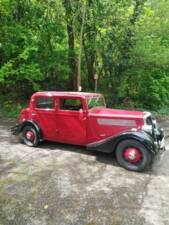
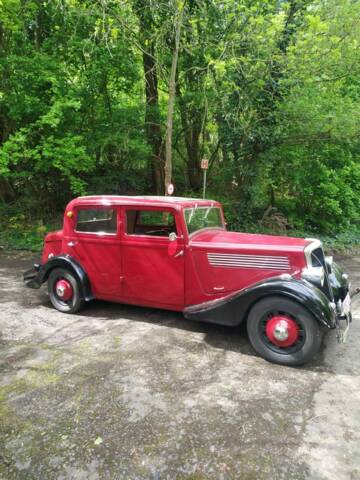
1935 | Berliet Dauphine 11 CV
Berliet Dauphine | 1935 | Route 66 Auctions - For sale by auction. Estimate 7200 EUR

Berliet Dauphine listing references from Classic Trader
Below you will find listings related to your search that are no longer available on Classic Trader. Use this information to gain insight into availability, value trends, and current pricing for a "Berliet Dauphine" to make a more informed purchasing decision.
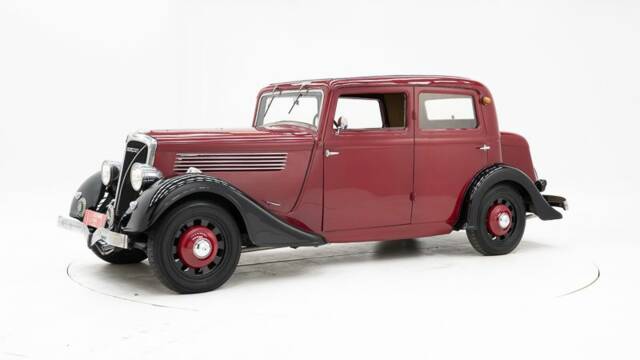
1934 | Berliet Dauphine 11 CV
1934 Berliet Dauphine 11 CV VIRL '34

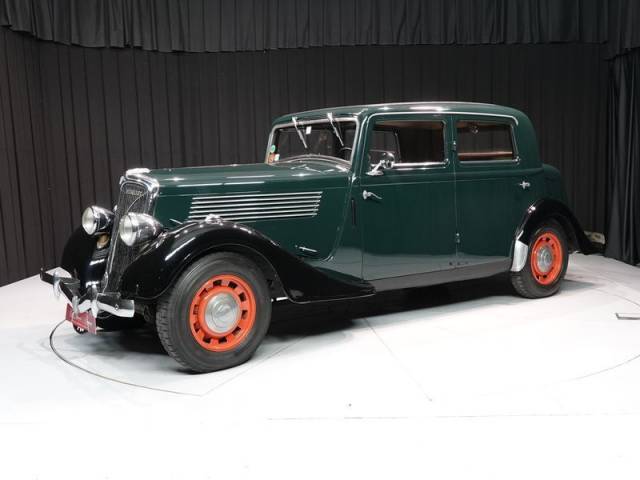
1938 | Berliet Dauphine 11 CV
1938 Berliet Dauphine 11 CV '38
Berliet Dauphine Classic Cars: Prices & Market Values
History of the Berliet Dauphine
Between 1934 and 1939, the Berliet Dauphine rolled off the line at Vénissieux, Berliet’s historic manufacturing heart near Lyon. Developed at a time of rapid industrial innovation in France, the Dauphine was designed to meet the needs of middle-class families looking for solid reliability and contemporary design. Berliet, better known for their commercial vehicles, created the Dauphine to compete with established rivals in the domestic passenger car market. The selective offering of engines was a specific nod to France's complex automobile taxation system, making the model accessible to a broader range of buyers.
Model History
The initial Berliet Dauphine launched with a 1,990cc engine, aligning with the 11CV tax band, commonly chosen by middle-class buyers. Recognizing the importance of tax brackets in automotive purchasing decisions, Berliet quickly released a 1,600cc variant under the 9CV band. For customers demanding more power, a 14CV version was also available upon special order. The Dauphine series marked the last foray of Berliet into the family car sector before the company shifted its sole focus to commercial vehicles after 1939, with no direct descendants in the passenger car segment.
Highlights of the Berliet Dauphine
One of the most notable aspects of the Dauphine is its strategic engine selection meant to navigate French tax regulations, offering customers flexibility depending on their desired running costs. The option to order a more powerful 14CV variant illustrates Berliet’s willingness to accommodate special requests, which was uncommon among rivals of the period. Constructed in the heart of Lyon, these models featured robust engineering derived from the brand’s commercial vehicle expertise. With all Berliet Dauphine cars representing 100% of available Berliet listings, this series is singular in its representation of the brand among classic car offerings today.
Technical Data
Special Editions and Collectible Models
The 14CV variant of the Berliet Dauphine, available only by special request, can be considered a collectible edition within the series. Its limited release and unique positioning as a higher-powered option set it apart from the standard offerings. No other limited runs or unique trim packages have been documented for the Dauphine series.
Engine and Performance, Transmission and Handling
The Dauphine’s engineering philosophy centred around creating dependable, smooth-running vehicles for daily family use. The 1,990cc and 1,600cc engines were tailored to perform adequately in urban and rural scenarios, while the rare 14CV allowed for more spirited driving when requested. The chassis construction borrowed features from Berliet’s experience with heavier vehicles, resulting in a robust ride with substantial comfort for its class. Gearboxes were conventional for the era, typically manual and designed for longevity rather than high performance. The main models to highlight are the 1,990cc 11CV and 1,600cc 9CV variants. Collectors may find the 14CV particularly interesting due to its rarity and bespoke status.
Interior, Comfort, Exterior and Design
Typifying French style of the mid-1930s, the Dauphine featured a streamlined body with subtle Art Deco elements. High-quality materials were used for the interior, with comfort-focused appointments relative to family cars of the period. Berliet incorporated details like chrome exterior highlights and well-padded seating, seeking to differentiate their model from other domestic competitors. Customisation was possible in terms of colour and trim, especially for bespoke 14CV versions, although no signature designer is associated with the line. Available accessories were generally practical, including period-appropriate luggage racks and additional lighting.
Other Noteworthy Features
Berliet’s commercial vehicle background influenced the durable engineering and manufacturing techniques seen in the Dauphine. The focus on mechanical robustness, even in a passenger car context, was a unique selling point for buyers at the time. Few surviving examples today are a testament to their build quality under the stress of pre-war roads.
Summary
The Berliet Dauphine is a rare example of a pre-war French family car, embodying the approach of a commercial vehicle manufacturer to the passenger market. With model availability exclusively representing Berliet’s presence in the classic car scene, the Dauphine holds significant historical and engineering value. Its tailored approach to France’s tax system, robust mechanicals, and limited production window make it an intriguing find for collectors looking to expand into lesser-seen French classics.