- Automobile
- Benjamin
- Benjamin Type B3 (0 offerte)
Benjamin Type B3 Classic Cars for Sale
The Benjamin Type B3 is a true representative of early French automotive engineering, characterised by its compact design and utilitarian approach. This rare vehicle, produced during a distinct period in the history of motoring, is especially interesting for collectors seeking originality and technical innovation in pre-war French cars.
Risultati della ricerca
Attualmente non ci sono annunci corrispondenti alla tua ricerca.
Create search alert
Let yourself be notified as soon as a listing is published that matches your search filters.
Create listing
Do you have a Benjamin Type B3 that you want to sell? Then create a listing now.
Create listingBenjamin Type B3 listing references from Classic Trader
Below you will find listings related to your search that are no longer available on Classic Trader. Use this information to gain insight into availability, value trends, and current pricing for a "Benjamin Type B3" to make a more informed purchasing decision.
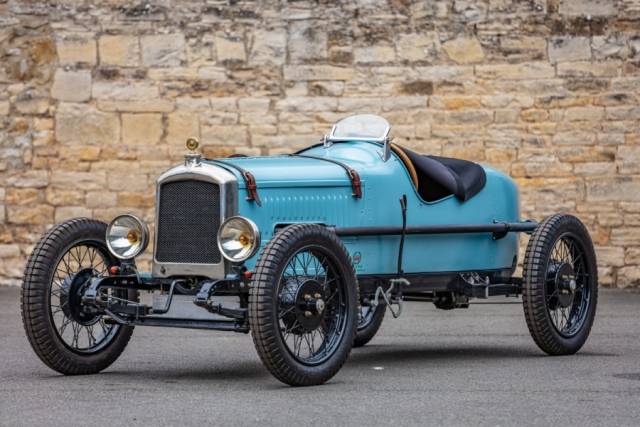
1927 | Benjamin Type B3 Sport
Silverstone Classic Live Online Auction 2020; 31st July-2nd August
Create search alert
Let yourself be notified as soon as a listing is published that matches your search filters.
Create listing
Do you have a Benjamin Type B3 that you want to sell? Then create a listing now.
Create listingBenjamin Type B3 Classic Cars: Prices & Market Values
History of the Benjamin Type B3
The Benjamin Type B3 was introduced by the French manufacturer Benjamin during a time of rapid evolution in the automotive sector. Benjamin, known for their lightweight and efficient vehicles, catered primarily to an audience that valued reliability and economy in their automobiles. The Type B3 model stands out due to its simplicity and adaptability, which made it appealing in the competitive automotive landscape of the early 20th century. Benjamin cars were frequently seen as an alternative to more elaborate models from larger French manufacturers, emphasising mechanical straightforwardness and ease of maintenance.
Model History of the Type B3
The Type B3 followed the earlier Type B series from Benjamin, evolving both in chassis and drivetrain. While detailed documentation on model changes is sparse, variations included improvements to mechanical components and subtle design adjustments, keeping the B3 relevant during its production. The Type B3 precedes later Benjamin offerings that eventually became more complex as the manufacturer tried to keep pace with industry trends. Successors of the Type B3 explored different body styles and more advanced technical layouts, reflecting the changing preferences of the motoring public.
Highlights of the Benjamin Type B3
One of the distinguishing aspects of the Type B3 is its minimalist construction and light weight, which provided uncomplicated functionality and surprising agility for its era. The robust layout and modest engine size made it accessible for a broader public, targeting drivers who paid attention to operating costs and ease of use. The fact that these vehicles are seldom found today adds another layer of exclusivity to the Type B3.
In comparison to other Benjamin vehicles, the Type B3 constitutes a minor share of available models, highlighting its rarity. Current supply statistics indicate that vehicles with the manufacturer code for the Type B3 are a very small fraction of Benjamin listings, with a market share consistently below 1%, marking it as a truly scarce find even among classic car enthusiasts.
Technical Data of the Benjamin Type B3
Special Editions and Collectible Models
There are no verified records of officially designated special editions or high-performance offshoots of the Type B3. All existing examples are, by virtue of their limited surviving numbers, inherently rare and valued for their originality.
Engine, Performance, Transmission, and Handling
Owing to its lightweight construction and uncomplicated drivetrain, the Type B3 offers a driving experience that is direct and responsive—especially compared to bulkier contemporaries. The suspension system was rudimentary but effectively maintained road contact at moderate speeds. While engine output was modest, it suited the lightweight chassis well, delivering practical performance for early-20th-century road conditions. The most interesting variations within the model series include examples with early four-cylinder engines, which offered slightly more power while retaining the simple mechanical character typical for Benjamin. These are sought after among collectors for balancing period authenticity with a degree of usability.
Interior, Comfort, Exterior and Design
The design of the Benjamin Type B3 prioritised function over luxury, with a focus on simplicity and economy. Bodywork was typically open or lightly enclosed, reflecting a utilitarian approach. The materials used were durable but modest—painted metal surfaces with basic upholstery. No known luxury options or elaborate accessories were officially available; however, period-specific modifications, such as bespoke coachwork, can occasionally be seen on surviving models. Design elements are understated, with a clear emphasis on straightforward construction and easy maintenance.
Other Features
While the Type B3 was not widely exported in its day, occasional examples have made their way into private collections outside France, further contributing to their scarcity in the classic car marketplace.
Summary
The Benjamin Type B3 stands as a rare example of early French automotive pragmatism, prized by collectors for its authenticity and mechanical clarity. Its low supply and demand, verified by statistics, testify to its niche but respected position in classic car circles. The Type B3 is an ideal choice for enthusiasts drawn to the roots of motoring, where engineering ingenuity and usability shaped the driving experience.