Baum self-built Racing Car classic cars for sale
The Baum self-built Racing Car stands as a unique example among classic vehicles, representing the creativity and technical ingenuity of its builder. Every car carries its own history, often characterised by non-standard solutions and an individual aesthetic. Explore what makes the Baum self-built Racing Car a true individualist in the world of motorsport heritage.
Résultats de la recherche
À l'heure actuelle, il n'y a pas d'annonces correspondant à votre recherche.
Create search alert
Let yourself be notified as soon as a listing is published that matches your search filters.
Create listing
Do you have a Baum self-built Racing Car that you want to sell? Then create a listing now.
Create listingBaum self-built Racing Car listing references from Classic Trader
Below you will find listings related to your search that are no longer available on Classic Trader. Use this information to gain insight into availability, value trends, and current pricing for a "Baum self-built Racing Car" to make a more informed purchasing decision.
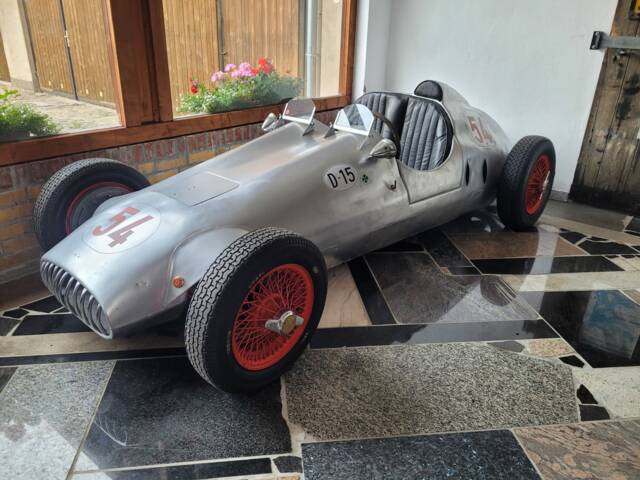
1951 | Baum self-built racing car
sehr seltener Baum Rennsportwagen der Nachkriegszeit
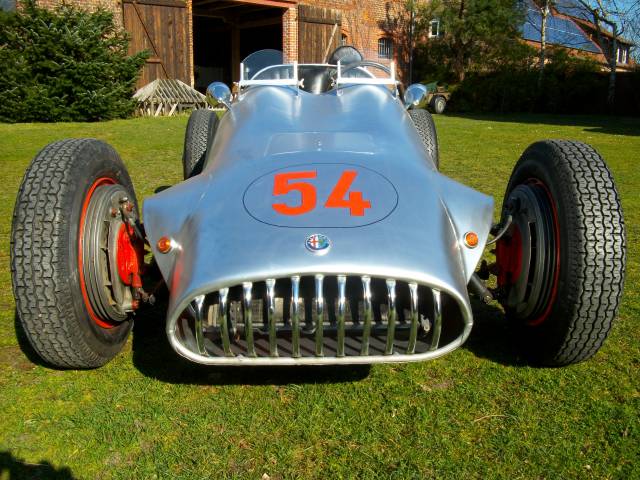
1951 | Baum VW self-built Racing Car
Gebaut 1951 von Kurt Baum aus Hainspitz Thüringen 1951+52 mit 1100 VW aktiv
Create search alert
Let yourself be notified as soon as a listing is published that matches your search filters.
Create listing
Do you have a Baum self-built Racing Car that you want to sell? Then create a listing now.
Create listingBaum self-built Racing Car Classic Cars: Prices & Market Values
History of the Baum self-built Racing Car
The Baum self-built Racing Car reflects an era when passionate engineers and enthusiasts brought their visions to life outside the limits of large-scale manufacturing. Each example is a testament to the era's innovative spirit, combining available technology with the builder’s tinkerer's drive. Most cars in this category were often used on amateur racing events and hill climbs, where regulations permitted non-standard, experimental vehicles. As a result, each Baum self-built Racing Car tells the story of its creator, blending motorsport aspirations with practical improvisation.
Model history
With self-built models, Baum did not follow the classic series production pattern. Each car was likely a project on its own, possibly drawing inspiration from contemporary motorsport trends and then tailored to available materials and technical know-how. Predecessors or successors in the conventional sense did not exist; instead, development happened project by project, always with a focus on pushing boundaries with improvisational skill.
Highlights of the Baum self-built Racing Car
The main appeal of the Baum self-built Racing Car lies in its individuality. Unlike factory-built cars, every vehicle is a unique specimen with its own technical solutions, chassis layouts, and often unconventional materials. Key features typically include custom-fitted parts, unique bodywork, and an architecture that reflects the hands-on approach of private engineering teams.
Technical Data
Special Editions and Collectible Models
Given the individually crafted nature of each Baum self-built Racing Car, every unit can in itself be considered a one-off or special edition. Differences in build date, technical choice, and aesthetics mean that no two cars are exactly alike, increasing their uniqueness among enthusiasts.
Engine and Performance, Transmission and Handling
Performance characteristics of Baum self-built Racing Cars depend entirely on the technical setup chosen by their builder. Engines could range from modified production units to bespoke, race-derived powerplants. The transmission, suspension, and handling are similarly variable, driven by the availability of parts and engineering talent. Owners and prospective buyers should closely inspect each example’s technical documentation and construction quality. Due to the one-off nature of the Baum self-built Racing Car, specific 'popular models' do not exist. Each vehicle is a reflection of personal racing ambition and interpretation of engineering possibilities during its creation.
Interior, Comfort, Exterior and Design
Interiors of Baum self-built Racing Cars are typically spartan, focused on weight reduction and driver functionality. Expect minimalistic dashboards, basic instrumentation, and race-oriented seating. Externally, bodywork can range from hand-crafted aluminium or fibreglass shells to creative use of surplus materials. Each car may display unique accessories or bespoke design touches, such as custom roll cages, non-standard lighting, or hand-painted liveries.
Other relevant features
Buying a Baum self-built Racing Car requires an open mind and a willingness to appreciate one-off technical solutions. Parts sourcing, historical documentation, and technical inspections take on a different importance given the individual scope of each build.
Summary
The Baum self-built Racing Car occupies a distinct niche in the classic car world. Every example is a reflection of the builder's creativity, technical skills, and motorsport ambition. These vehicles are completely individual, with technical and design solutions that break from conventional automotive genres. For enthusiasts in search of true originality, exploring a Baum self-built Racing Car is an invitation into a unique chapter of racing history.