- Car
- Auburn (3 offers)
Auburn Classic Cars for Sale
Auburn stands for American pre-war masterpiece engineering: aerodynamic ‘Boattail’ Speedsters, supercharged engines and unforgettable Art Deco accents. Models like the Speedster, 851, and 8 series continue to fascinate enthusiasts with their striking design and innovative mechanics—rare survivors of golden-age prestige.
Search results
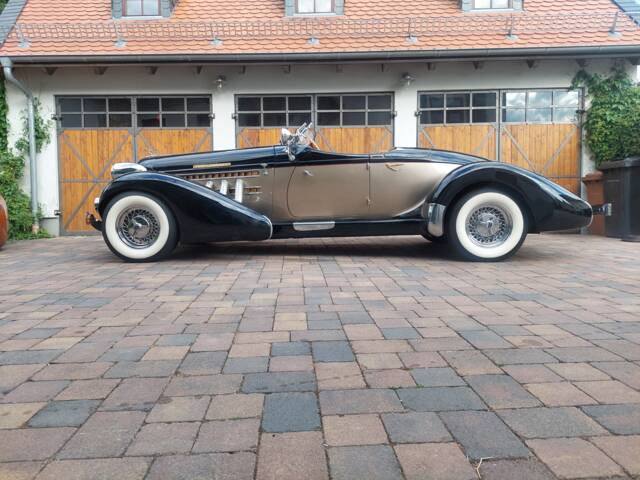
1936 | Auburn Speedster 851
Auburn Speedster Replika TÜV / H Zulassung EZ 1976 Zustand 1-2

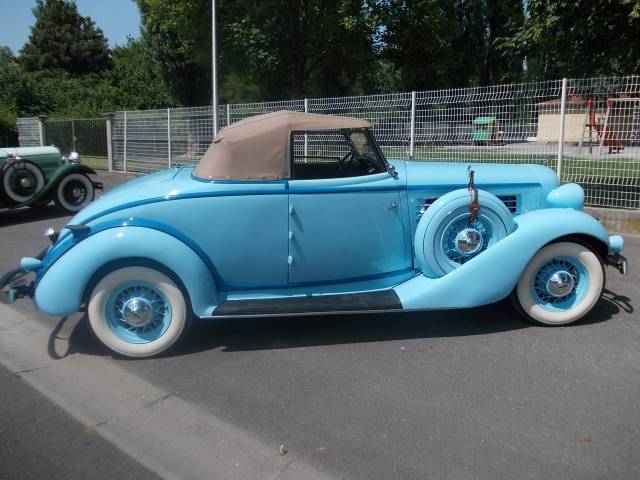
1935 | Auburn 653
AUBURN Cabriolet 653, entièrement restaurée

Auctions ending soon

Loading…
Loading…
Loading…
Loading…
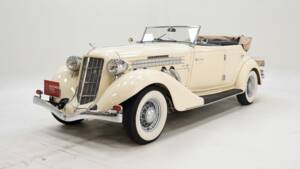
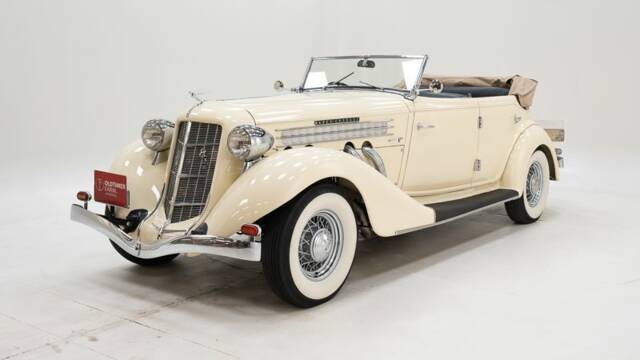
1936 | Auburn 852 Phaeton
1936 Auburn 852 SC Phaeton Sedan '36

Auburn listing references from Classic Trader
Below you will find listings related to your search that are no longer available on Classic Trader. Use this information to gain insight into availability, value trends, and current pricing for a "Auburn" to make a more informed purchasing decision.
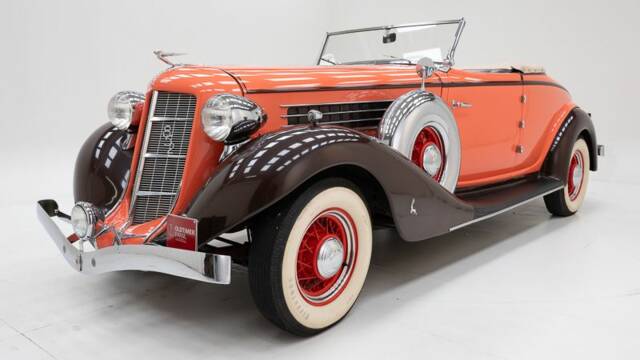
1936 | Auburn 852 Phaeton
1936 Auburn 852 Convertible Coupe '36
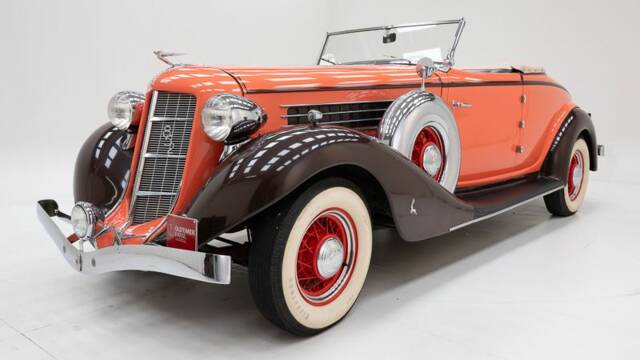
1936 | Auburn 852 Phaeton
1936 Auburn 852 Convertible Coupe '36
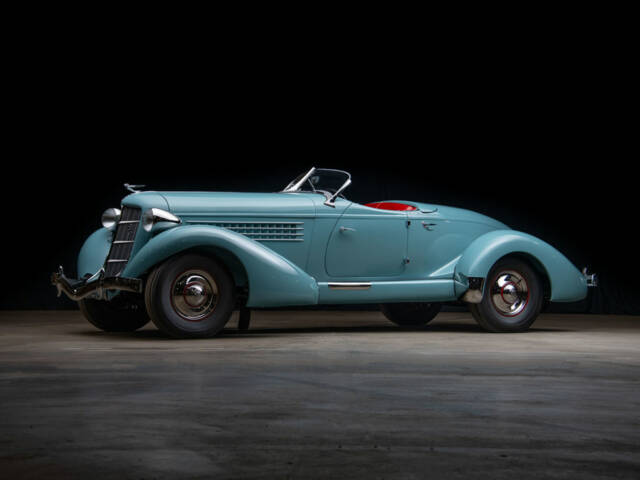
1935 | Auburn 851 Boattail Speedster
1935 Auburn 851 Custom Speedster

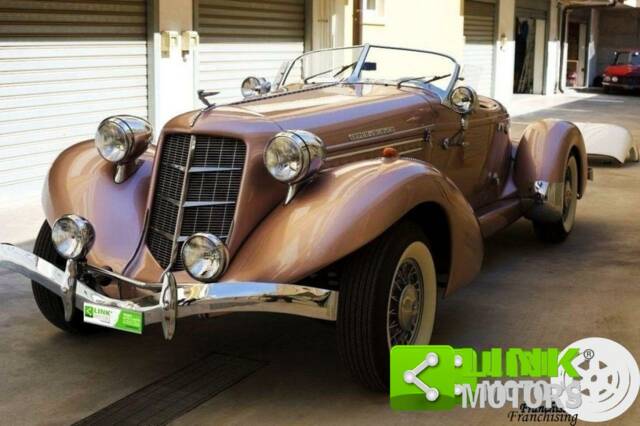
1974 | Auburn Speedster 851
AUBURN Speedster 851 Super-charged / Visibile a Bari

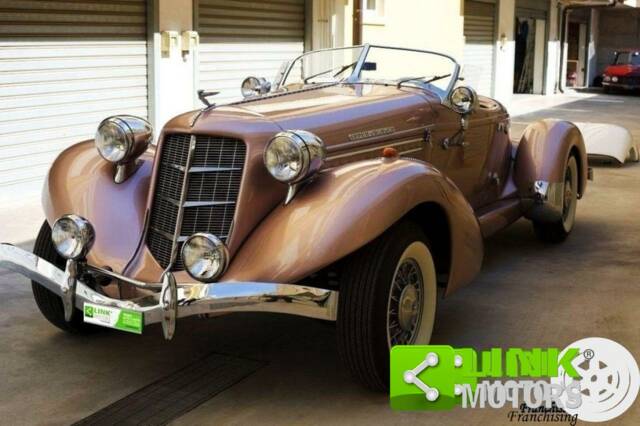
1974 | Auburn 851 Supercharged Roadster
AUBURN Speedster 851 Super-charged / Visibile a Bari
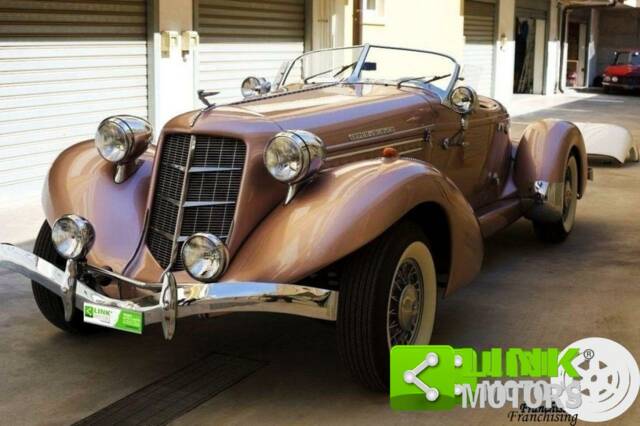
1974 | Auburn Speedster 851
AUBURN Speedster 851 Super-charged / Visibile a Bari
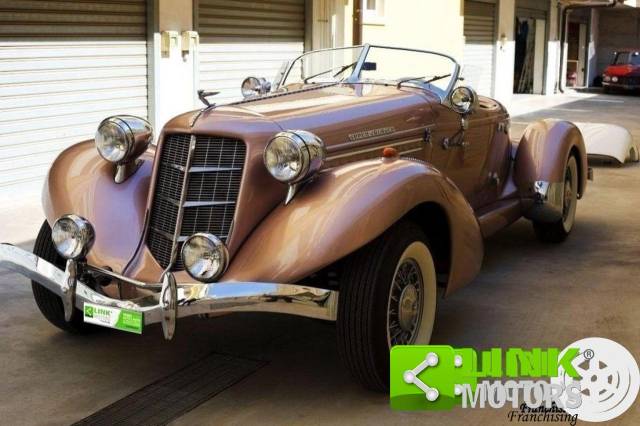
1974 | Auburn 851 Supercharged Roadster
AUBURN Speedster 851 Super-charged / Targa Oro ASI
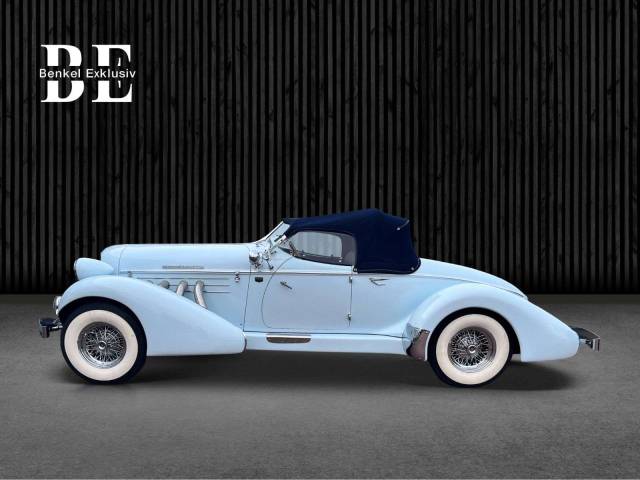
1978 | Auburn Speedster 851
Sonstige Marken Auburn Speedster 876 H-Zulassung
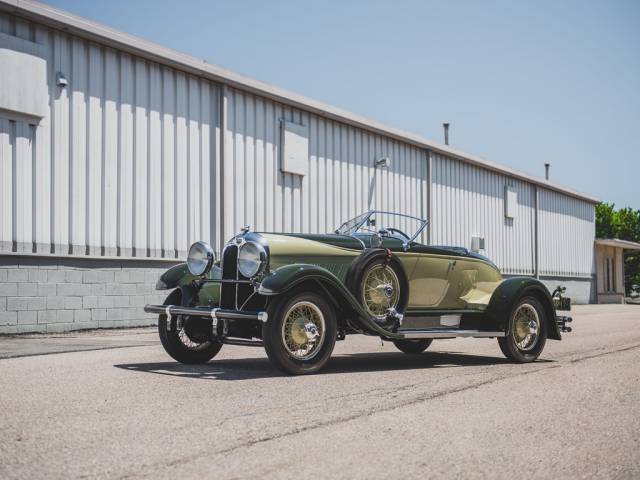
1929 | Auburn 8-98 A
1929 Auburn 8-90 Eight Speedster
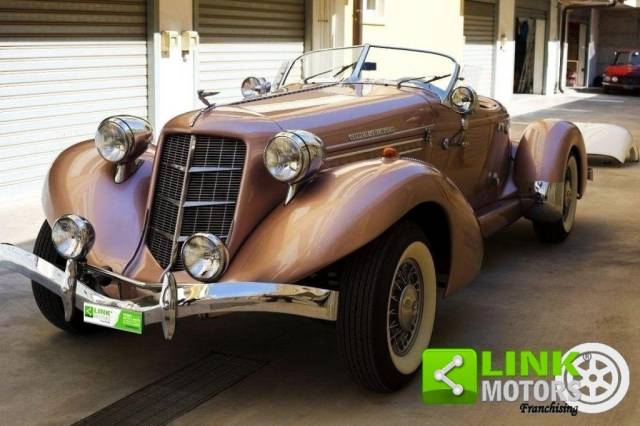
1974 | Auburn 8-77
AUBURN Speedster Targa Oro ASI Finanziabile
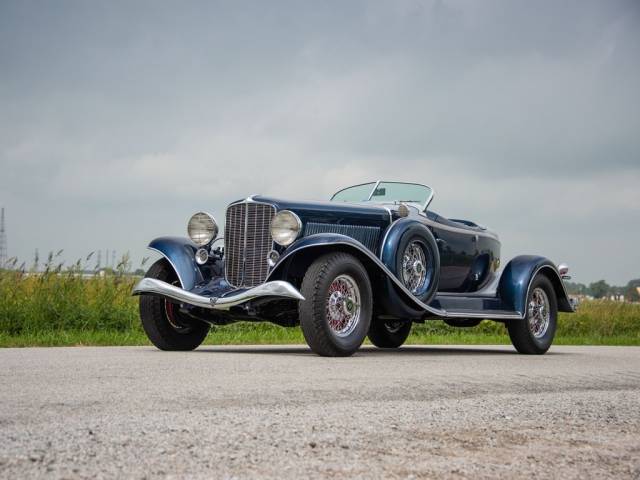
1933 | Auburn 12-160 A Speedster
1933 Auburn Twelve Salon Speedster
History of Auburn
Auburn’s origins lie in carriage building: Charles Eckhart founded Eckhart Carriage Company in Indiana in 1874, but it was his sons, Frank and Morris, who in 1903 introduced the first automobiles under the Auburn name. Rapid expansion followed as the firm acquired local competitors and moved to larger premises in 1909. World War I led to material shortages and a factory shutdown, but a Chicago investment group revived Auburn after 1919. The turning point came in 1924: Errett Loban Cord, a sales maverick, took over, restructuring the line-up and supply chains while introducing daring design touches like the signature swage lines. By 1929, Auburn, Cord, and Duesenberg were united under a holding company. Despite technological advances and design innovation, the Great Depression hit Auburn hard, production numbers fell dramatically, and the marque ceased production in 1937. The headquarters in Auburn, Indiana, today houses the Auburn Cord Duesenberg Museum, preserving the firm's remarkable heritage.
Model History
Auburn’s earliest cars like the 1904 Model A featured simple, sturdy single-cylinder engines and functional touring bodies with tonneau covers and steel frames. By the 1920s, technological ambitions soared. Eight-cylinder models—8-98, 8-90, 8-125—powered by Lycoming engines set speed benchmarks and introduced hydraulic brakes, a first for Auburn in the late 1920s. The company’s prestige soared further with the debut of the Boattail Speedster in 1928, styled by Alan Leamy. Salon-speedsters and the later Gordon Buehrig-designed Speedster 851 (introduced 1935), with its supercharged eight-cylinder engine, became Auburn's hallmark. After WWII, no new vehicles were produced, but from 1966 to 1981, Glenn Pray manufactured officially sanctioned replica Auburns.
Highlights and Unique Features
Auburn cars broke new ground through innovative mechanics and lavish styling. Features included Columbia dual-ratio rear axles for selectable gear ratios, Zentralschmierung (central lubrication), hydraulic braking, and a plethora of Art Deco touches. The ‘Boattail’ Speedster, with its pontoon fenders, sharply V-shaped windscreen, and chrome-accented rear, epitomises Auburn design. Many cars came with bespoke interiors—leather seats, folding soft tops, and exclusive colourways. The factory ensured every supercharged Speedster was speed-certified by Ab Jenkins—each car adorned with a dashboard plaque stating it had exceeded 100.8 mph before shipment. These engineering innovations secured full ‘Classic’ status for all Auburn eight-cylinder models with the Classic Car Club of America (CCCA).
Technical Data
Special Editions and Collectors’ Models
Auburn’s showroom highlights include the Speedster series (1928–1936) in multiple iterations. Alan Leamy’s original 1928 design, with two-tone paint and a razor-like rear, evolved into the more curvaceous Buehrig Speedster, the 851 and 852, powered by supercharged eights. Salon Speedsters fitted with V12s featured unique ‘Bowtie’ bumpers, ornate chrome fenders, and double side-mount spares. After the company's closure, Glenn Pray's licensed continuation cars (built 1966–1981) also hold collector respect, often seen in museums and prestigious concours events.
Weak Spots and Common Issues
No significant model-specific weaknesses are currently documented for Auburn vehicles. Due to their age and complexity—especially in supercharged Speedsters—potential buyers should inspect for mechanical wear, authenticity of major components, and the condition of hydraulic brake and lubrication systems. Many parts are specialist items; restoration and maintenance should be entrusted to classic car professionals familiar with pre-war American engineering.
Engine and Performance, Transmission and Handling
The Auburn’s mechanical prowess was remarkable for its era. Even early models benefited from robust transmission setups, starting with planetary gearboxes and developing into options like freewheeling units (LGS Freewheeling) and dual-ratio rear axles. Straight eights and supercharged eights produced rapid acceleration and sustained high cruising speeds: the Speedster comfortably exceeded 100 mph, regularly verified in runs by record-setter David 'Ab' Jenkins. V12 models prioritised smooth running over outright speed but contributed extra torque and refinement. Auburn’s use of hydraulic dampers and improved suspension designs provided competent handling by classic standards—even in open touring or performance models. - Speedster (851, 852): Supercharged Lycoming straight-eight, 150 hp, guaranteed 100 mph speeds.
- 8-98: 268 cu in straight-eight, advanced chassis, multiple body styles.
- Salon Speedster V12: V12 engine, luxury appointments, rare collector status.
Interior, Comfort, Exterior and Design
Auburn’s flair was most obvious in extravagant design choices. The exterior was defined by long bonnets, sharply curved ‘Boattail’ tails, chrome ‘waterfall’ grilles, and vivid paint options (often metallic or two-tone). Interiors varied from utilitarian early models to the luxurious speedsters: leather seating, bespoke instruments including tachometers, folding roofs, and period-correct radios. Standout design elements included Art Deco bumpers (‘Bowtie’), highly stylised chrome-plated fender details, Trippe Lights, and dashboard plaques denoting speed certification. Customisation was common, with multiple body builders contributing special versions and customer-specified fittings.
Other Noteworthy Aspects
Auburn’s identity is intrinsically tied to its role in American automotive glamour: prized by Hollywood personalities and showcased in concours events worldwide. The headquarters’ transformation into the Auburn Cord Duesenberg Museum and the survival of approximately 300 genuine Auburns underscore their historic value. Official recognition by the CCCA strengthens their stature among pre-war greats—even the few high-quality reproductions carry the Auburn name in legal documentation.
Summary
Auburn represents a high point in 1920s and 1930s American auto history: daring technology, adventurous design, and relentless pursuit of speed distinguished every model from the marque. Today, whether as meticulously restored originals or faithful continuations, Auburns stand out for their blend of mechanical ingenuity and visual drama—continuing to captivate car enthusiasts, collectors, and automotive historians.