- Car
- Armstrong-Siddeley
- Armstrong-Siddeley Sapphire (0 offers)
Armstrong-Siddeley Sapphire classic cars for sale
The Armstrong-Siddeley Sapphire stands for British luxury engineering from the 1950s. Well-known for its smooth-running engines, impressive craftsmanship and its association with the British royal family, the Sapphire series encompasses distinct models like the 346, 234, 236 and the Star Sapphire. These vehicles set standards for refinement, mechanical solidity and long-distance comfort.
Search results
Currently, there are no matching listings for your search.
Create search alert
Let yourself be notified as soon as a listing is published that matches your search filters.
Create listing
Do you have a Armstrong-Siddeley Sapphire that you want to sell? Then create a listing now.
Create listingArmstrong-Siddeley Sapphire listing references from Classic Trader
Below you will find listings related to your search that are no longer available on Classic Trader. Use this information to gain insight into availability, value trends, and current pricing for a "Armstrong-Siddeley Sapphire" to make a more informed purchasing decision.
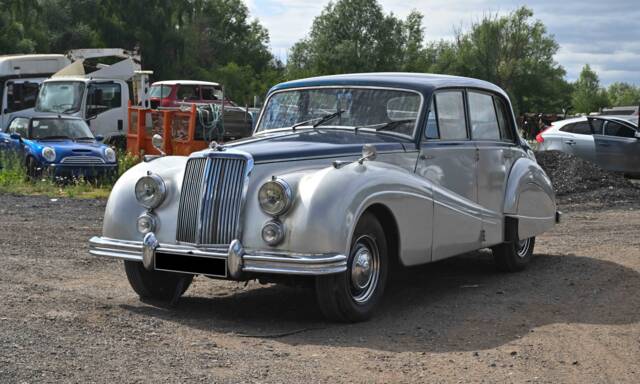
1956 | Armstrong-Siddeley Sapphire 346
1956 Armstrong Siddeley Sapphire 346

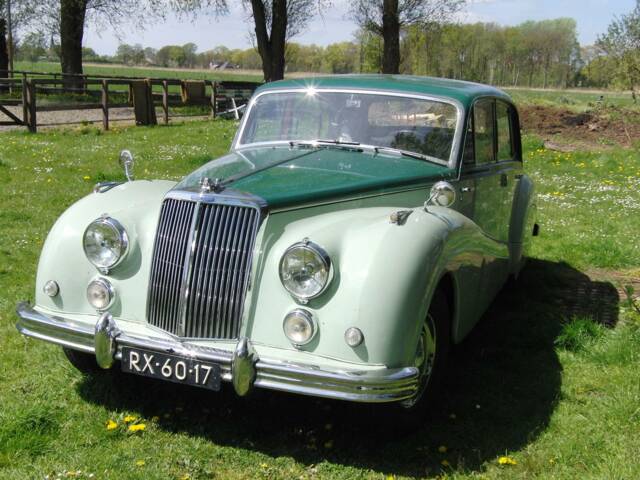
1955 | Armstrong-Siddeley Sapphire 346

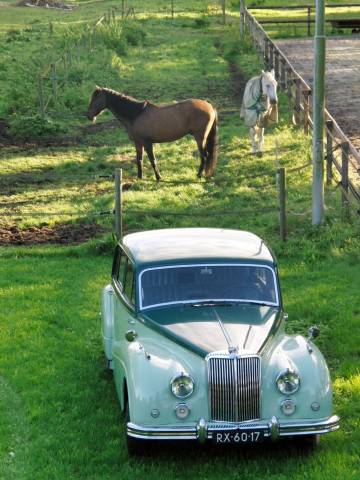
1955 | Armstrong-Siddeley Sapphire 346
Bought new in the Netherlands
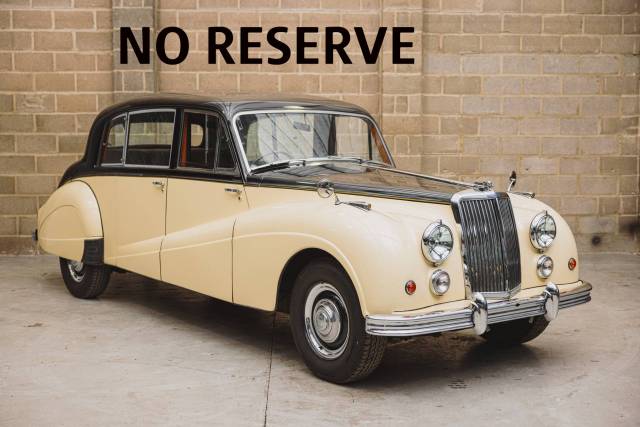
1957 | Armstrong-Siddeley Sapphire 346
Original Car - Good Condition - Dry Stored
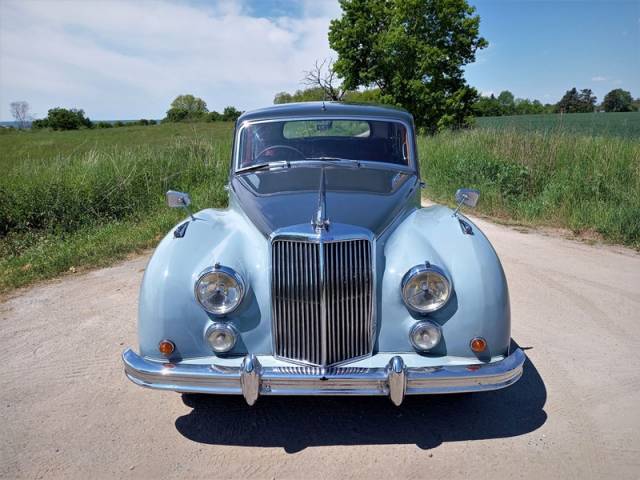
1954 | Armstrong-Siddeley Sapphire 346
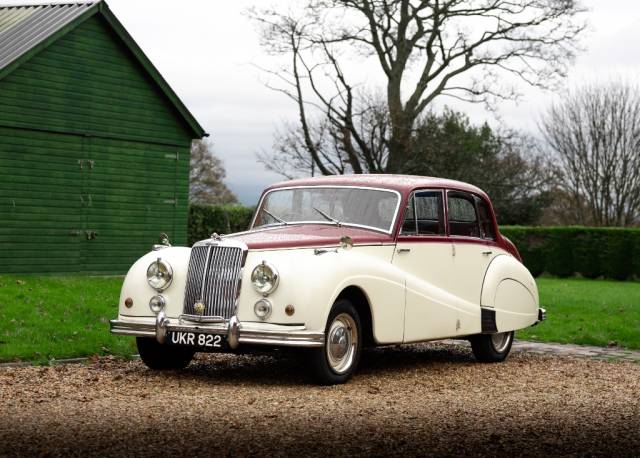
1955 | Armstrong-Siddeley Sapphire 234
Armstrong Siddeley Sapphire
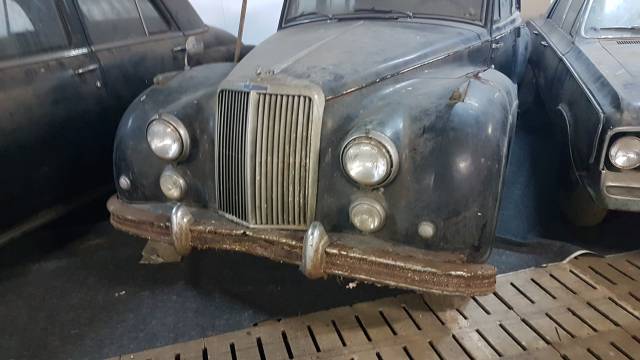
1955 | Armstrong-Siddeley Sapphire 346
British classic car - Restaurierungsobjekt

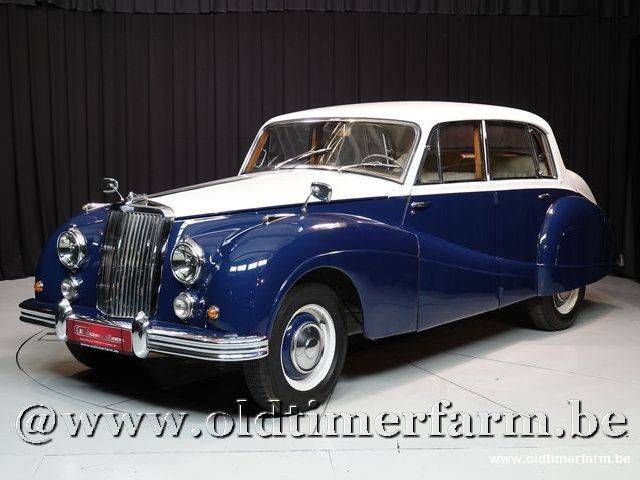
1956 | Armstrong-Siddeley Sapphire 346
1956 Armstrong Siddeley Sapphire '56

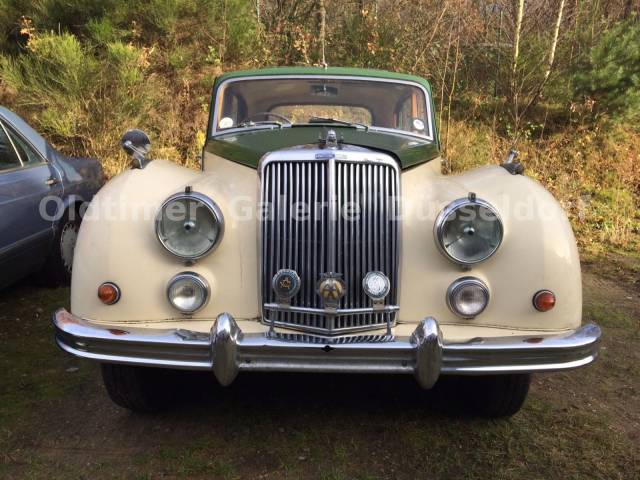
1958 | Armstrong-Siddeley Sapphire 346
Andere Armstrong Siddeley Sapphire
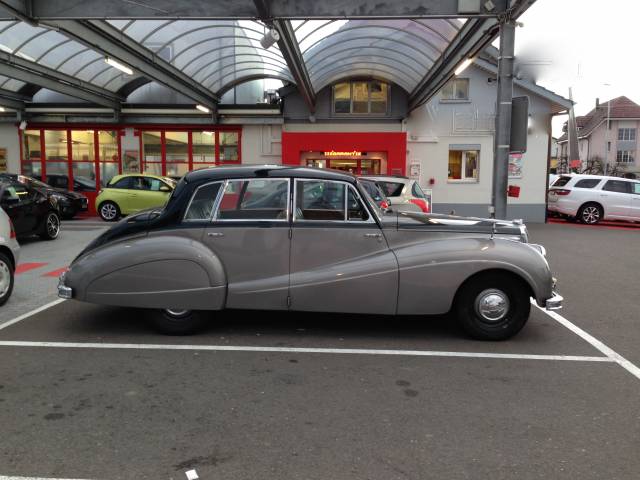
1952 | Armstrong-Siddeley Sapphire 346
Armstrong Siddely Star Sapphire - Body by Bentley

Create search alert
Let yourself be notified as soon as a listing is published that matches your search filters.
Create listing
Do you have a Armstrong-Siddeley Sapphire that you want to sell? Then create a listing now.
Create listingArmstrong-Siddeley Sapphire Classic Cars: Prices & Market Values
History of the Armstrong-Siddeley Sapphire
Debuting in late 1952 for the 1953 model year, the Armstrong-Siddeley Sapphire was developed as a luxury saloon targeted at discerning buyers seeking understated British prestige. With its V-shaped grille and iconic sphinx mascot, the Sapphire established itself as a symbol of elegance and mechanical integrity. The 346 model, fitted with a 3.4-litre straight-six, set the benchmark for quietness and reliability. Later Sapphire models brought advancements like automatic transmissions and longer wheelbase Pullman variants. The Sapphire was a favourite vehicle of the Queen when not in a Rolls-Royce, a testament to its luxurious status. Production continued until 1960, when Armstrong-Siddeley concentrated exclusively on aircraft manufacturing, having delivered over 8,500 examples of the Sapphire family.
Model Series History
The initial Sapphire 346, introduced in 1953, laid the foundation for the series. Evolving over the decade, Armstrong-Siddeley introduced the Sapphire 234 and 236 in 1955, differentiated primarily by their engine configurations. The 234 featured a four-cylinder engine, while the 236 used a six-cylinder, both maintaining similar aesthetics. The pinnacle came in 1958 with the Star Sapphire, offering a larger engine, stronger brakes, servo steering, and more refined interiors. Pullman limousines were produced both for the 346 and the Star Sapphire on elongated chassis, catering to the luxury market and official users. The production run lasted until 1960, after which Armstrong-Siddeley withdrew from car manufacturing.
Special Features and Key Highlights
Sapphire models are celebrated for their whisper-quiet, smooth-running engines, earning them the nickname 'the Sphinx.' Among post-war British luxury cars, the Sapphire stood out for its robust build, the thorough use of walnut wood and leather inside, and details like extensive chrome trims and two-tone paintwork. The series also gained fame for original certification papers, with club and owner community support still strong today. Rarity and originality are high, with many examples still maintaining restored or unrestored authentic interiors. The Star Sapphire introduced servo-assisted disc brakes and power steering, moving the luxury saloon segment forward in terms of driving comfort and safety.
Technical Data
Special Editions and Collectible Variants
Not all Sapphires were created equal—left-hand drive models exist but are highly uncommon and thus particularly sought after. Special Pullman limousines were crafted for governmental and official users. The Star Sapphire Pullman, available from 1959, incorporated the most advanced features of its era, including disc brakes, power steering, and optional cruise control. Star Sapphire models won awards for body design at notable shows such as the 1958 Earls Court Motor Show.
Weak Spots and Common Issues
While robust and designed for reliability, Sapphire models require attention to their dynamo, voltage regulator, and braking system—areas often needing restoration or renewal. Pre-selector transmissions, a specialty, need inspection for general wear, as do automatic variants. Replacement parts for running gear and mechanicals are generally accessible via owner club networks. Attention to wood trim and original leather is required to maintain authenticity, but well-preserved cars set the benchmark for post-war British saloons.
Engine, Performance and Drive Experience
Armstrong-Siddeley Sapphires impressed with relaxed long-distance cruising, owing to flexible straight-six torque and quiet running. The twin-carburettor engines provided strong mid-range acceleration for the time, with the Star Sapphire and 346 reaching nearly 160 km/h. Early models came with four-speed manuals or pre-selector ‘manumatic’ gearboxes, known for their distinctive, period-correct shifting. Pullman wheelbase options enhanced rear space and cabin comfort, suiting the models for tourer purposes and official use. The Star Sapphire improved braking performance with disc systems and power assistance.
Popular Models:
- Sapphire 346 (1953–1960): reliable, refined, with up to 103 kW and known for its solid construction.
- Sapphire 234 (1955–1958): more sporting with a four-cylinder engine.
- Sapphire 236 (1955–1957): six-cylinder smoothness, suited for regular luxury travel.
- Star Sapphire (1958–1960): the best equipped and most sophisticated Sapphire. undefined
Design, Interior and Comfort
Distinctive for its upright V-shaped grille topped by the sphinx mascot, the Sapphire’s bodywork was robust and featured extensive chrome. Two-tone paint (such as dark and light green) underscored the cars’ presence. Interiors set the Sapphire apart from other 1950s saloons – genuine British leather seats paired with hand-crafted walnut dashboard and door trim. The Pullman versions provided even greater back-seat space, perfect for formal chauffeured drives. Luxury features on later cars included factory-fitted heaters, servo steering, power-assisted disc brakes, and period accessories such as cruise control. Accessories and parts for restoration remain available through specialist networks and owner clubs.
Other Noteworthy Details
The Sapphire was serviced by dedicated owner clubs, aiding preservation and the availability of rare parts. Original vehicles may come with official certification, such as linen-backed certificates. Converted left-hand drive models are rare, enhancing collectibility in continental inventories. Many Sapphires, both saloon and Pullman, retain their original, hand-crafted components thanks to meticulous restorers and enthusiastic club support.
Summary
Armstrong-Siddeley Sapphire models embody the qualities that make British luxury cars from the 1950s distinguished: outstanding comfort, solid craftsmanship, and technical distinction. From the 346 to the Star Sapphire Pullman, each version offers a unique snapshot of luxury automotive evolution, backed by strong community support and impressive originality in surviving cars.